

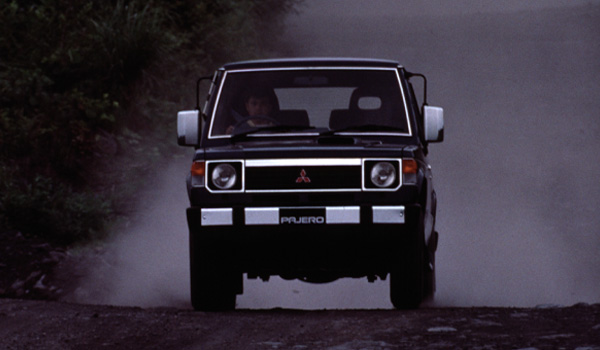
It’s official. Mitsubishi has announced that the Pajero will return by year’s end. The revived SUV will serve as the company’s flagship as it tries to rebuild its brand. Its comeback has been speculated upon since 2024, but we started feeling pretty good about the Pajero’s chances last December when Mitsubishi restored its first Dakar-winning Pajero. An official teaser followed soon after. Now we know for certain it’s a true body-on-frame vehicle developed entirely in-house.
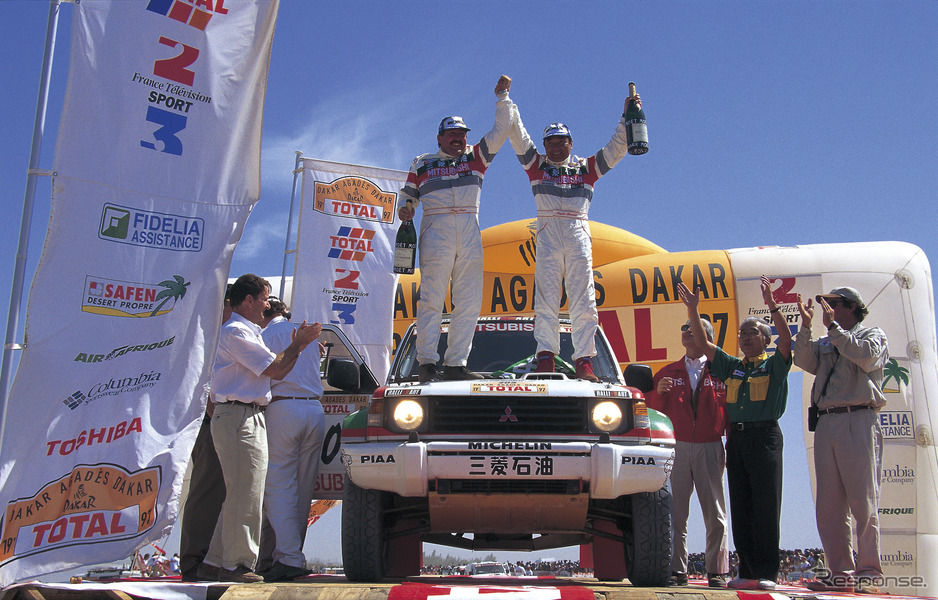
The Pajero was launched in 1982 as Mitsubishi’s answer to the Toyota Land Cruiser and Nissan Patrol — a body-on-frame 4×4 that could carry occupants in relative comfort. Across four generations it was sold in over 170 markets, totaling more than 3.25 million units. It carried the triple diamond banner into the grueling Paris-Dakar Rally, which it won 12 times before Mitsubishi pulled out of motorsports following the 2008 global financial crisis. Its record of seven consecutive Dakar victories is still unbeaten.
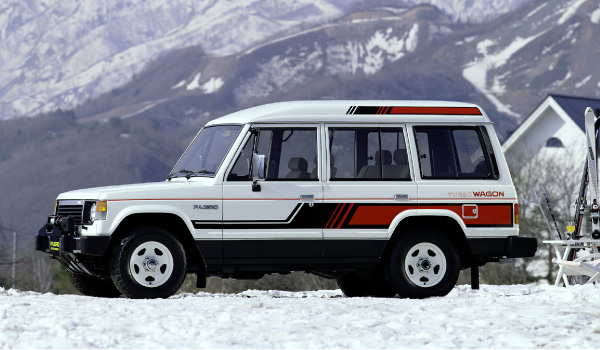
Mitsubishi describes the new Pajero as a “Cross-Country SUV”, a deliberate throwback to the “cross-country” car. The term, sometimes abbreviated to “kuro-kan”, was used in the 80s and 90s to describe ladder-frame, 4×4 vehicles designed for driving across unpaved terrain.
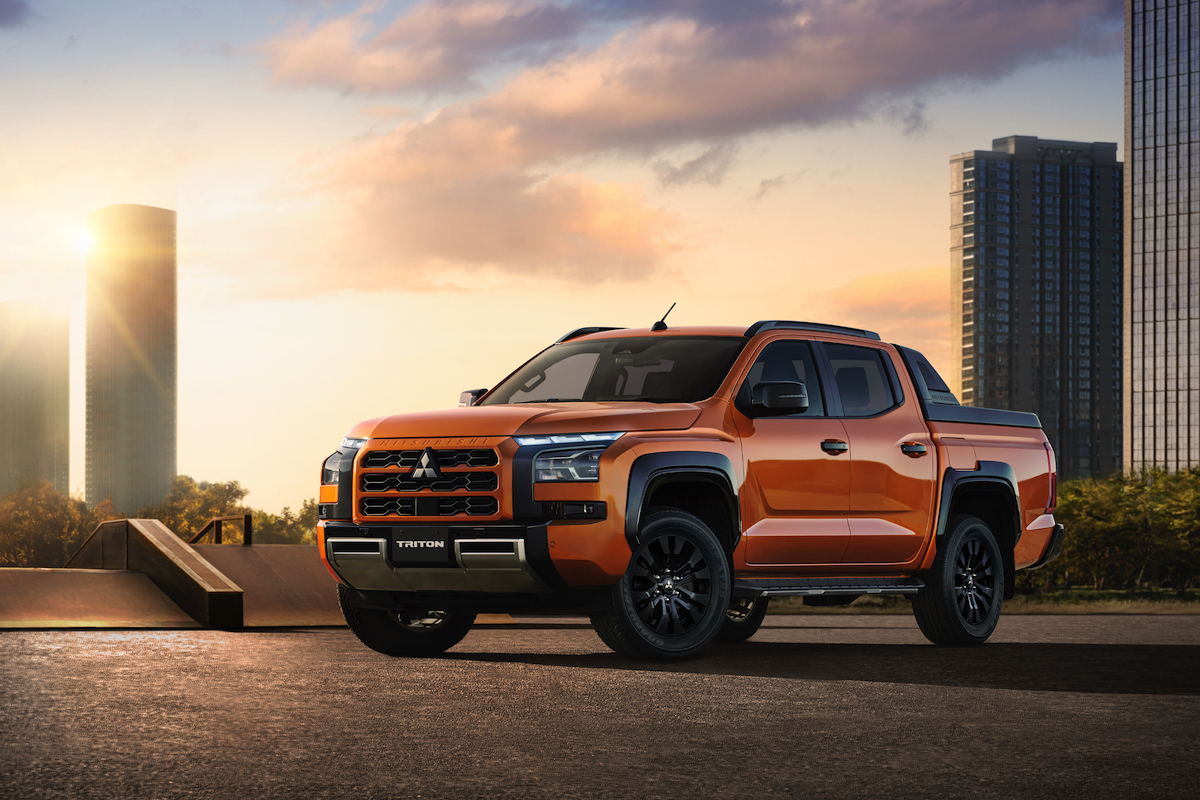
The reborn Pajero will be based on the Triton pickup, not a rebadged Nissan product. The Triton is a capable and good-looking truck, Mitsubishi’s answer to the Toyota Hilux. It only returned to the Japanese market in 2024 after a 13-year absence, its government certification for Japanese roads paving the way for the Pajero’s return. In truth, that makes the new Pajero more like a Pajero Sport, which was traditionally built on a Triton platform.
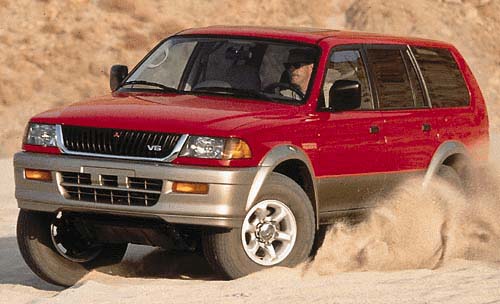
Mitsubishi says that the cabin and rear suspension will be new to the Pajero. However, the Triton is only built in Thailand and Brazil. It’s not available in the US thanks to the Chicken Tax, but whether the Pajero will be sold in the States depends on whether its Triton powertrain and platform were created with US certification in mind. Otherwise, it may be un-certifiable north of the Rio Grande.
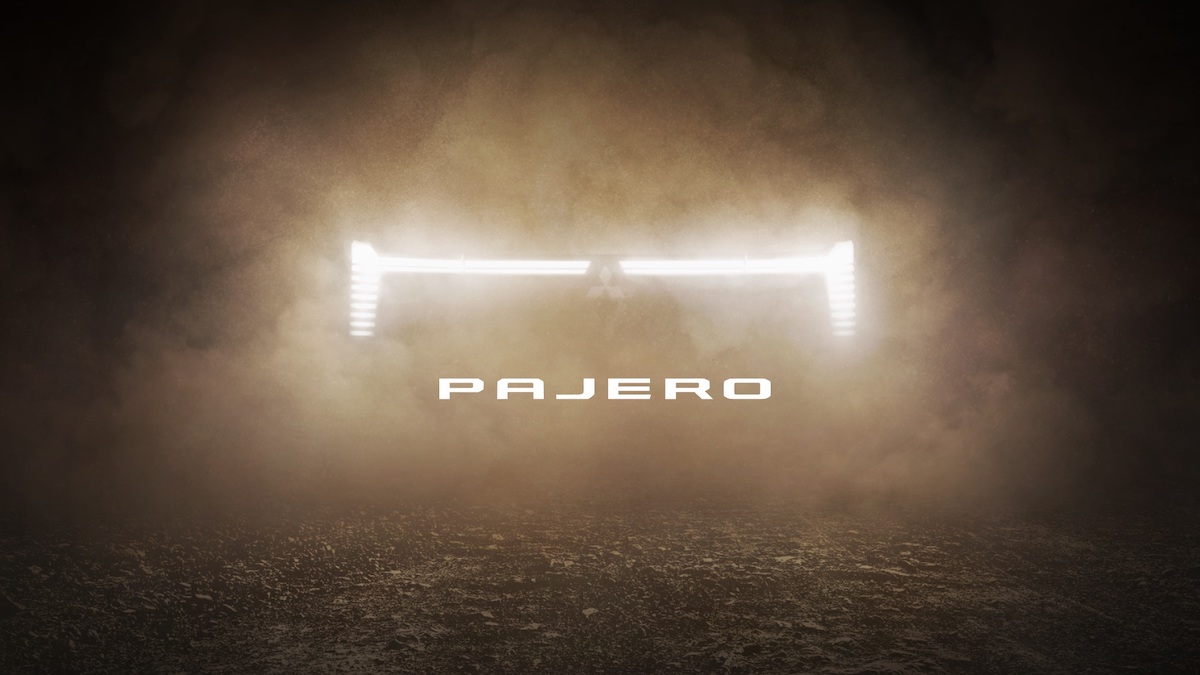
It’s been either five or seven years since the Pajero was discontinued, depending on how you look at it. The Pajero was killed off in 2019 for the Japanese market, but continued to be built at Mitsubishi’s renowned and dedicated Pajero factory and sold outside the motherland, in markets like Southeast Asia and Australia. When sales ended globally the factory was closed and sold of to a toilet paper manufacturer, an ignoble end to the Pajero legacy. With the reveal happening this fall, it seems that there are signs of life at Mitsubishi headquarters after all.




hell yea
A 4Runner starts at 42 grand now, I wonder how much Mitsubishi will have to come in below that. I also wonder if the midsize BOF SUV market is getting saturated and that’ll lead to collapse like what happened with small commercial vans a few years ago.
Surely it’ll just be a Patrol with Mitsu logos.
EL MONTERO ES UN PRODUCTO DE LA INGENIERIA AUTOMOTRIZ CON MUCHA CREDIBILIDAD EN AMERICA LATINA, POR LO QUE SU REGRESO A NUESTROS MERCADOS, SERA UN GANAR GANAR TANTO PARA EL FABRICANTE COMO PARA LOS CONSUMIDORES.