

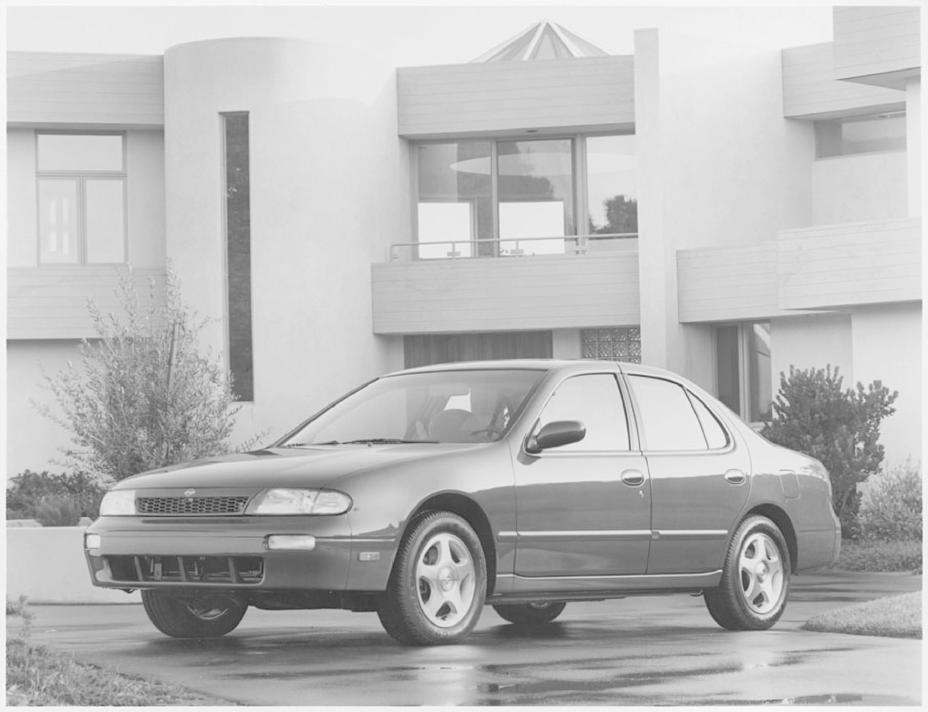
The Nissan Altima is officially dead. Its demise was confirmed by Nissan’s head of product planning and senior vice president for North America Ponz Pandikuthira in an interview with WardsAuto. It’s been rumored to be on the chopping block since 2024 and now that time has come. The Altima was a solid car, despite its reputation as a terror on American roads, perfectly encapsulating how Nissan went wrong.
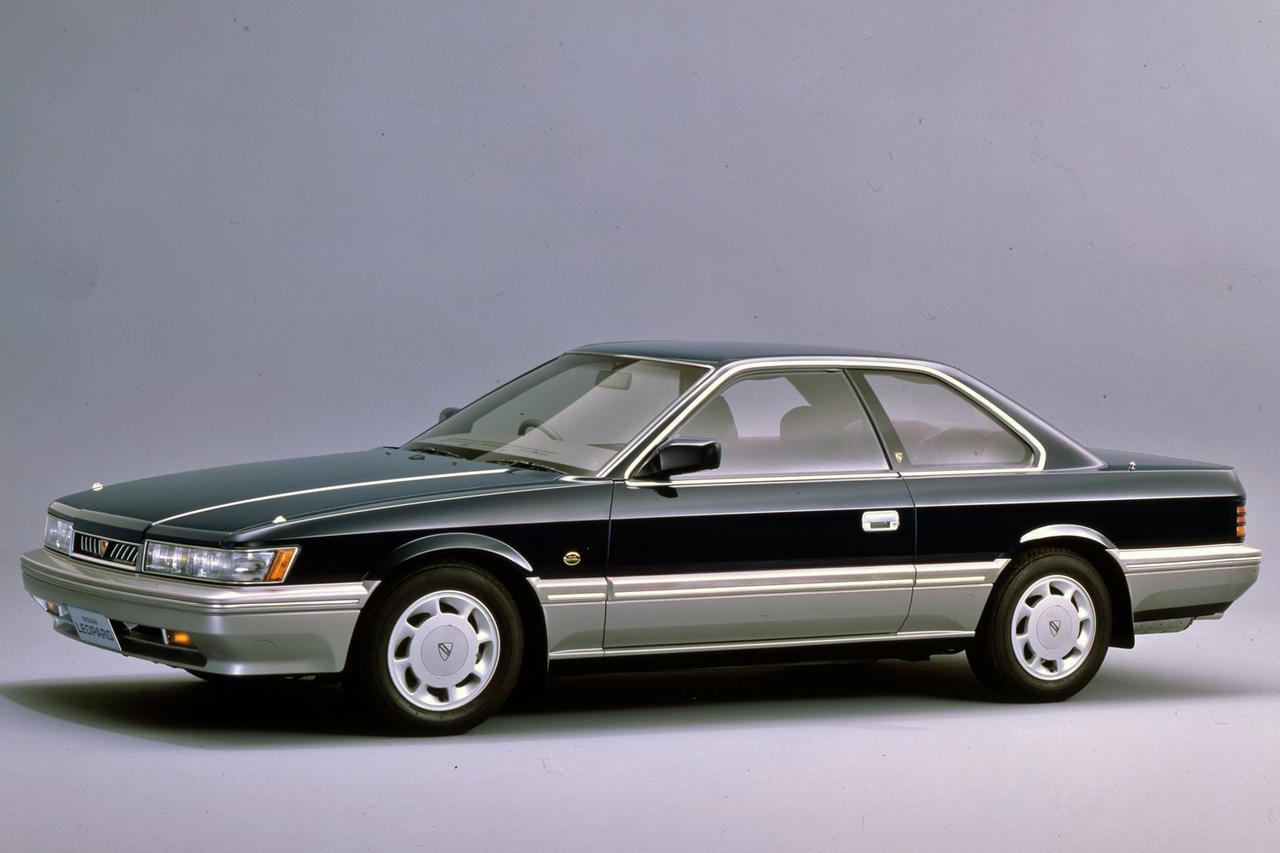
The first use of the Altima name dates back to 1986, as a top-trim level for the Japanese market Nissan Leopard. In the US, though not heavily publicized, the Altima began life as the Nissan Stanza Altima, chassis code U13, a descendant of the Bluebird line in Japan. Making Altima a sub-model of the Stanza was a hack to bypass the expansive and time-consuming mountain of government certification required for new models.
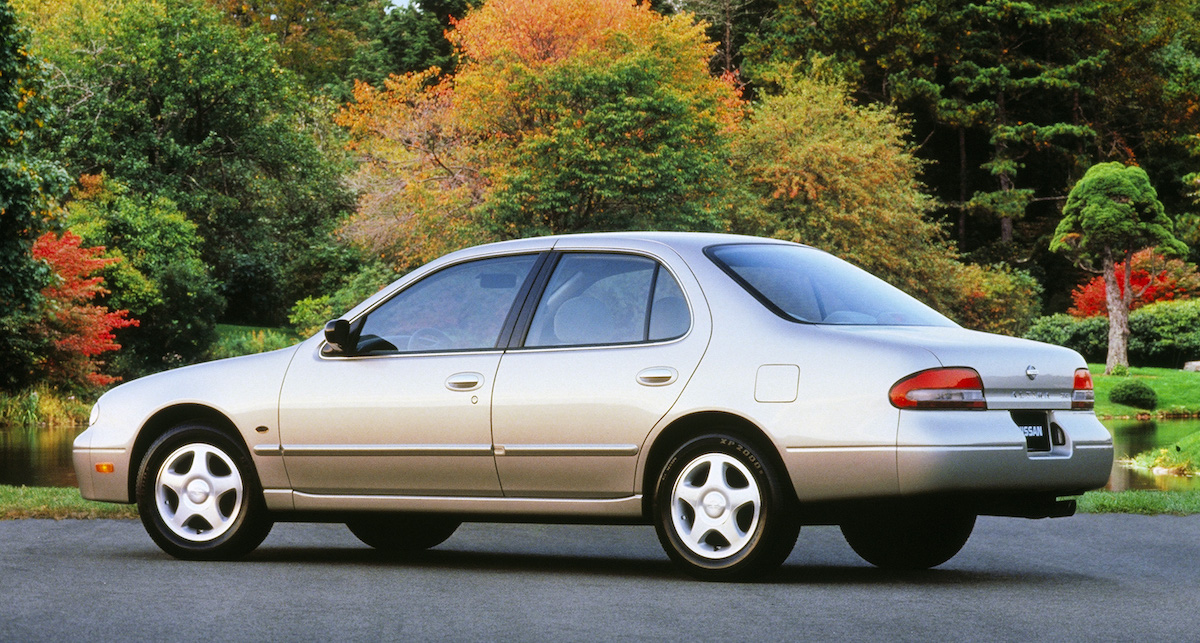
Styling was a departure from the boxy Bluebirds and Stanzas born of the 80s, and targeted primarily at the North American market. The U13’s rounded lines hailed from the same studio that birthed the Infiniti J30, Nissan Design International in La Jolla, California. Its American bona fides extended to production as well, rolling out of Nissan’s Smyrna, Tennessee plant, which had just undergone a $430 million in 1992 dollars to revamp the plant in preparation for the Altima, so it was kind of a big deal.
It debuted to middling reviews from critics, but the public didn’t care. Nissan sold 120,000 in the first year. Car and Driver thought that warranted a second look, added one to their long-term fleet, and changed their tune. They praised how well the automatic transmission (a 5-speed was also available) matched with the 150 horses from its KA24DE, its performance in snow thanks to an LSD (a rare option on an FF car back then), and its braking ability (which outdid a Z32’s).
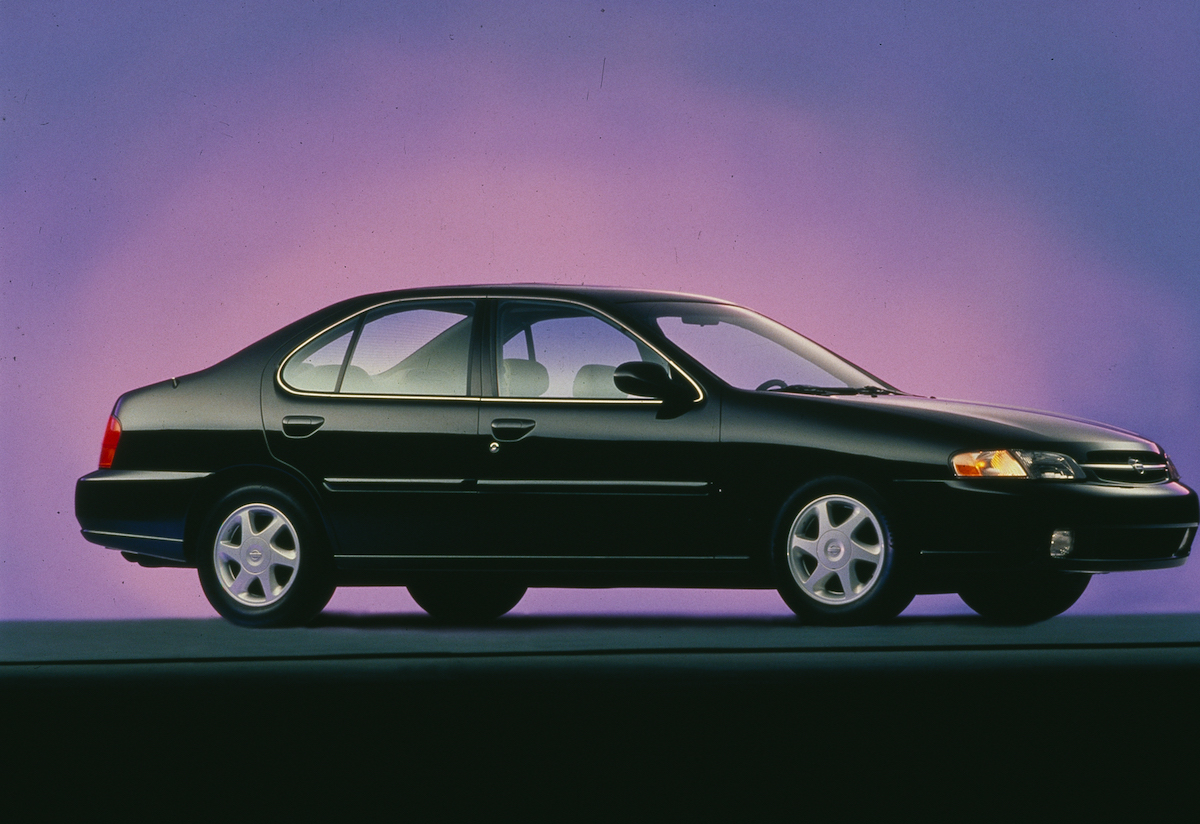
Introduced in 1998, the second-generation shared a platform with the U14 Bluebird, but was not beholden to Japan’s size classifications for road tax. Once again designed in La Jolla, the Altima came with a wider, roomier body than its Bluebird cousin. The mini-Infiniti look was out, replaced by a typically 90s bar-of-soap design except for a distinctive angled rear end (perhaps a bar of soap that had been dropped).
Reviews at the time weren’t kind to the L30, leaving the Altima on the sidelines while the Camry-Accord battle for supremacy took center stage. The carryover drivetrain was beginning to feel dated and critics found fault with the Altima’s lack of a V6. Nissan, for what it’s worth, said it didn’t want to cannibalize Maxima sales. Cost-cutting left journalists with a feeling of cheapness for the interior as well.
Sales continued at pace at around 130,000 to 145,000 units per year, not disappointing but not great. Meanwhile, the Camry and Accord were enjoying sales of over 400,000 per year. To make things worse, Nissan was in financial trouble. It was only a year before a controlling share would be sold to Renault and it needed a knockout hit.
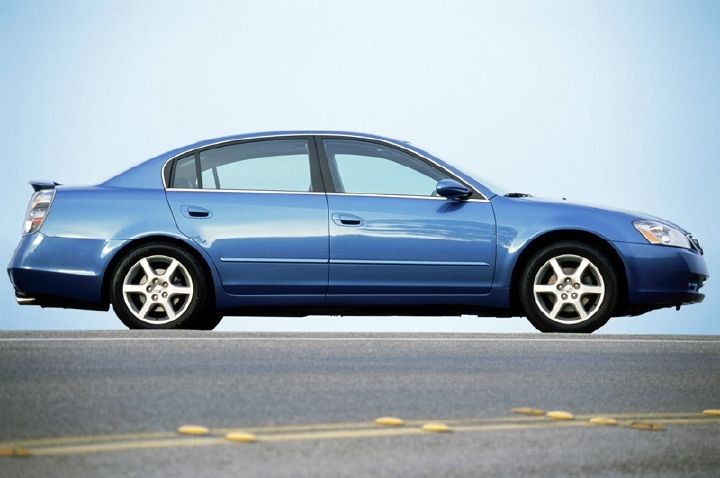
Fortunately for Nissan, the third-generation Altima delivered in 2002 a true midsizer dimensionally comparable to the Camry and Accord. More importantly, Nissan imbued the L31 with surprisingly sporty handling at a time when Toyota and Honda were Buick-fying their sedans. It finally offered a V6, one the first applications of the soon-to-be-ubiquitous VQ35DE. Available with a 5-speed manual.
But the VQ wasn’t just any V6. Its 240 horsepower obliterated the Camry’s 192 horses and the Accord’s 200. In Car and Driver testing, the Altima clocked a stunning 0-60 time of just 6.3 seconds, comparable to cars like the Audi TT, Acura RSX, and automatic Ford Mustang GT. It even came with stacked “Altezza” taillights, which were considered cool at the time (yes, really).
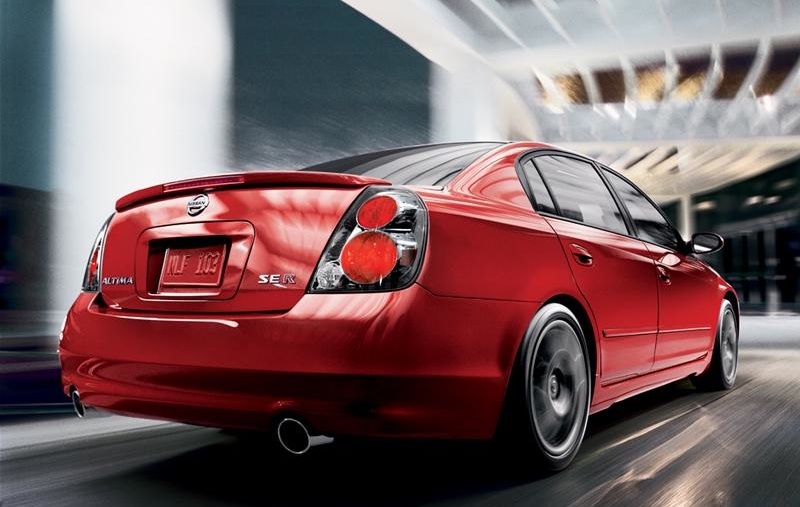
In 2004, Nissan even brought back a performance SE-R designation, a trim that hadn’t been used since the B13 Sentra, with 260 horses, sport-tuned suspension, 18-inch wheels, and a 6-speed manual. An Altima Hybrid was introduced the same year, borrowing components from Toyota.
From back bench to star player, the Altima was a contender at last. It even took home the 2002 North American Car of the Year award, the first time a Japanese car had won it. Sales climbed to 200,000 in the first year, peaking at over 250,000 annually by the time the generation ended.
It was peak Altima, maximum altitude, if you will, but it was all about to come crashing down in spectacular fashion. In Part 02, we’ll explore how the Altima went from the enthusiast’s choice of mid-size sedans to rental fleet filler and internet meme. To be continued…
Images courtesy of Nissan



Pour out some Boone’s Farm, boys.
Watchu talkin’ bout? Altezza style taillights are still cool as hell!
That 3rd gen changed everything.
Probably the catalyst, in North America anyways, for cheap, reliable and accessible horsepower in the modern era. You’d have muscle cars such as Camaros and Stangs forever, but they were coupes. If you want 4 doors for the whole fam, this was it. Sure, there were Chevrolet Impala SS’s, but look at the sales numbers for those and their Caprice counterparts, they are definitely not mainstream cars.
Still remember the hype of hearing 240hp and available stick. Styling wasn’t repulsive neither. Build quality was at least better than the Big 3, even if it wasn’t toe to toe with Toyota or Honda and if recall correctly, it was larger inside thin certain measurements than any of its competitors.
After that, horsepower in general continued to climb for “normal” cars. Same vintage Accord came out with 240hp later that year. Soon, even the non-M or non-AMG versions of German luxury cars started to cross the once-sacred 300hp just to stay relevant.
Pour one on the street curb for Altima. You weren’t a once-proud Accord rival. You were a cultural phenomenon. will be missed.
What’s especially telling is that for the brief time this article has been online, only one comment has been made; now two.
No one cares about the Altima, and the CVT didn’t do it any favors either. It’s been Nissan’s placeholder for as long as the Camry and Accord have been available, starting as the Nissan Stanza, with Bluebird heritage, which is ancient, dating back to 1955, and is another casualty of Carlos.
The quintessential forgettable car. It does boggles the mind that this car outlasted a bunch of cool, good cars. Was this the start of the post-station wagon era?
Gonna be a real trip to see the 3rd generation Altima at JCCS in another 2 years or so. I was in the 7th grade when these things started to hit the market. Now that they’ve gone through the lifecycle of “New Car -> Hand-me-down Car -> Buy here, finance here Car -> Craigslist/Facebook Marketplace special Car”, I wonder if any of these things really survived the 2000s.