

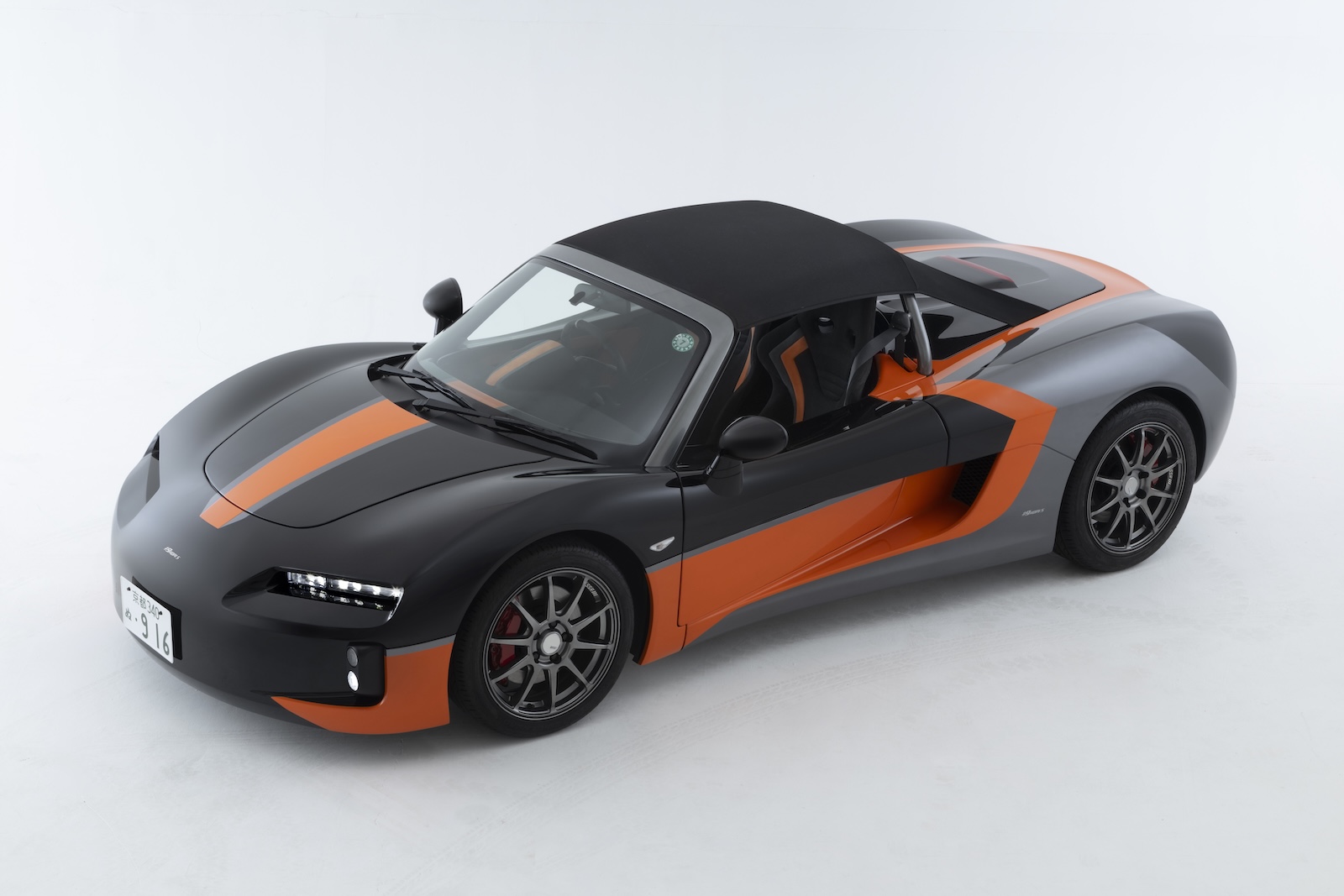
The last of the Tommykaira ZZ sports cars was built in June 2021. However, the hand-built Japanese sports car may seems to have risen anew at the Automotive Engineering Exposition in Yokohama. Strictly speaking, this isn’t a Tommykaira, but is based on the beloved mid-engined roadster. Officially it’s called the No.9 Sweep9, and it wears a modern nose.
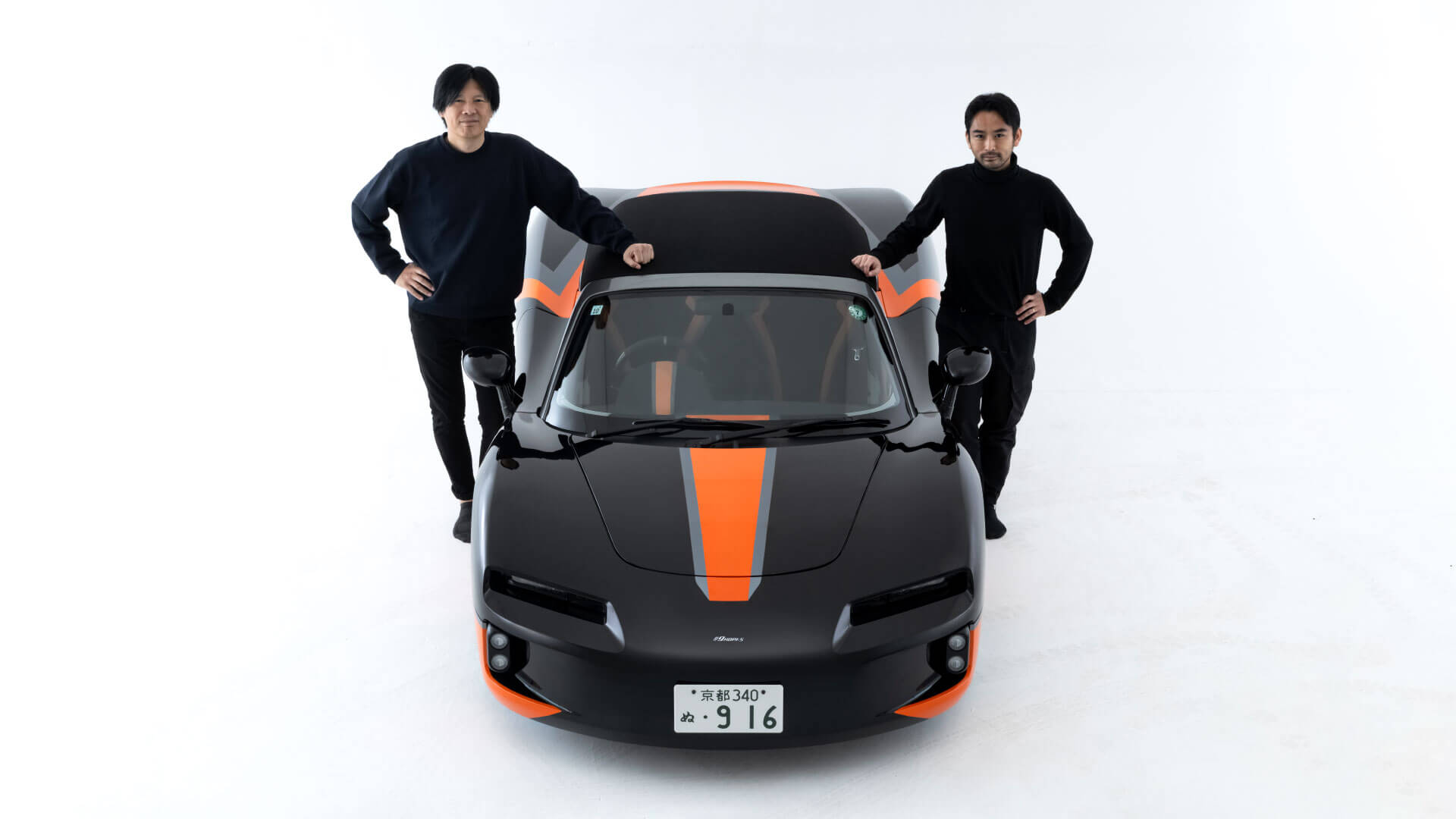
The Sweep9 is a collaboration between No.9 Works, an automotive engineering firm established by Yuji Fujitsuka, and Ryuhei Ishimaru, founder of the design firm Fortmarei. Fujitsuka is a former engineer for Nissan, Kawasaki, and Toyota who worked on the S15 Silvia, R34 Skyline, M35 Stagea, Kawasaki Vulcan, and Lexus GS.
Fujitsuka was also responsible for the second-generation Tommykaira ZZ. Fifteen years after the initial run, powered by the Nissan SR2DE ended in 1999 with 206 units built, Fujitsuka revived the ZZ with a new nose and electric powertrain. The 301-horsepower, 306 lb-ft roadster was seen as Japan’s Tesla, drawing comparisons to the original Lotus-based roadster. That run ended in 2021 with 99 units.
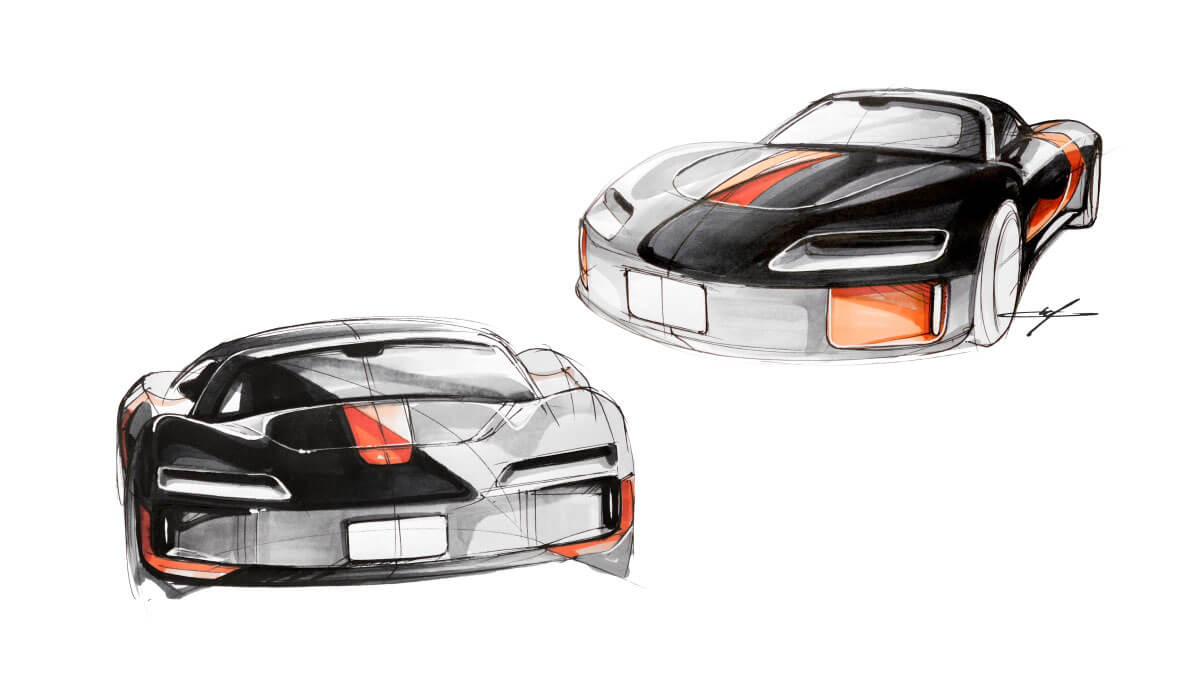
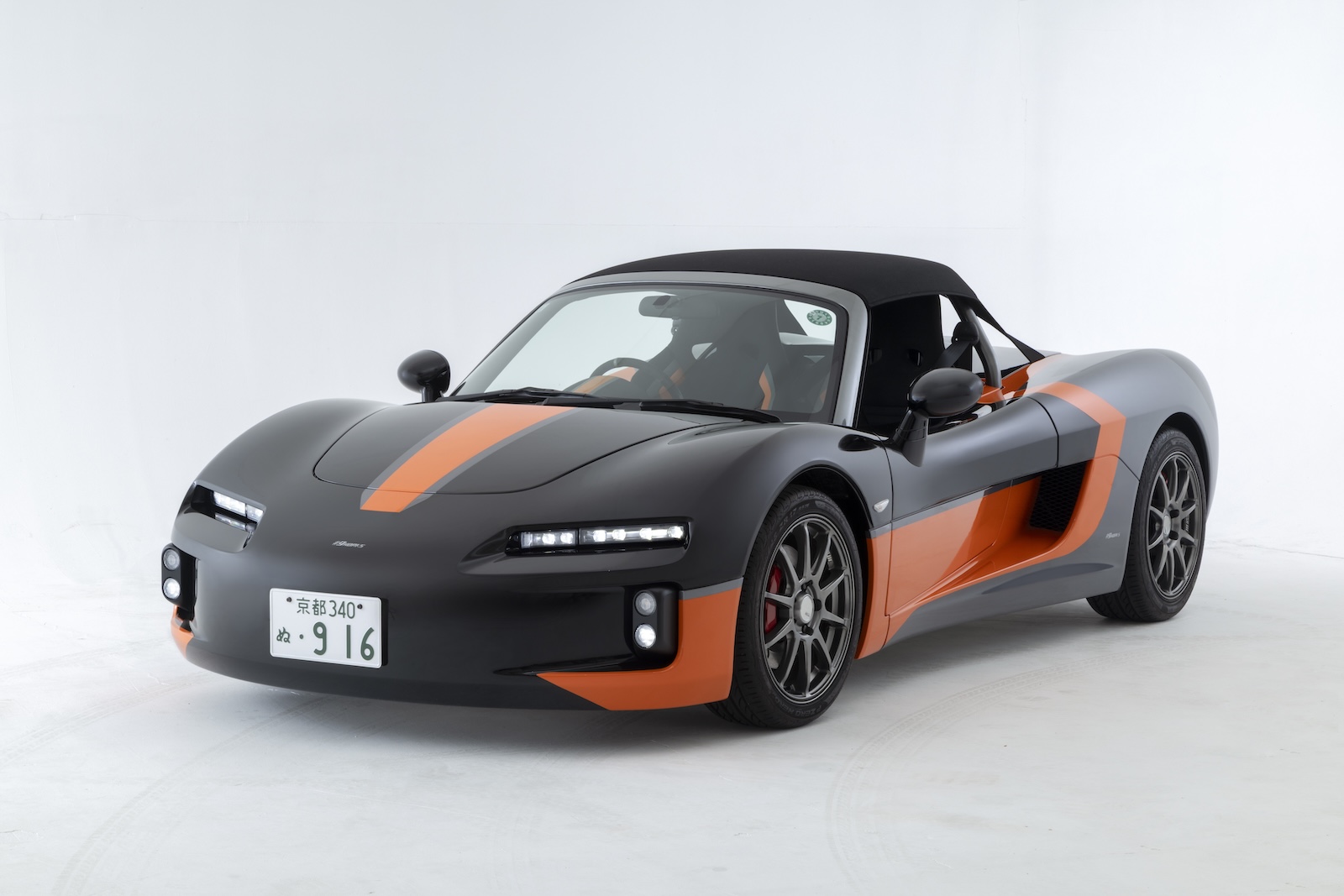
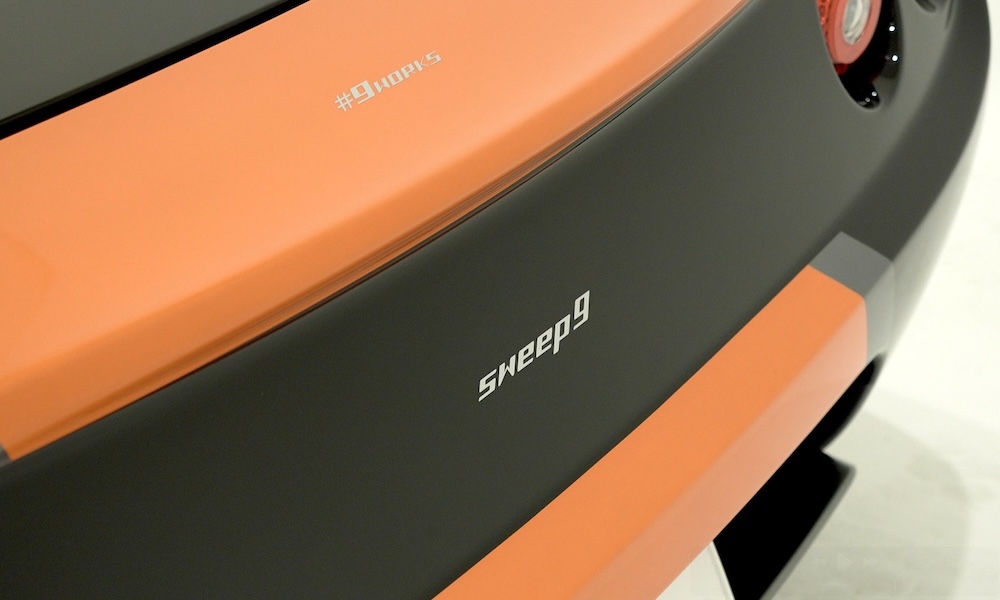
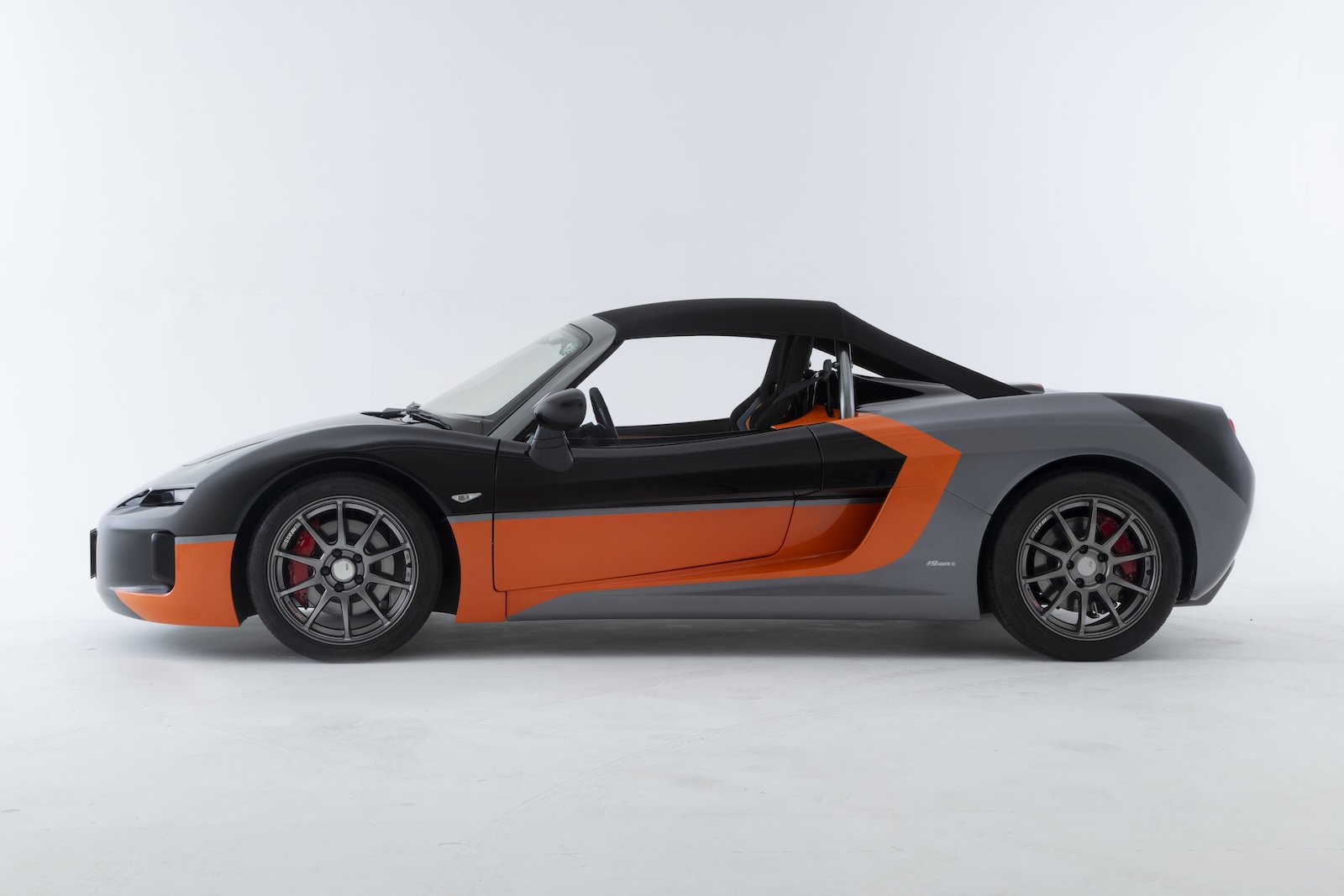
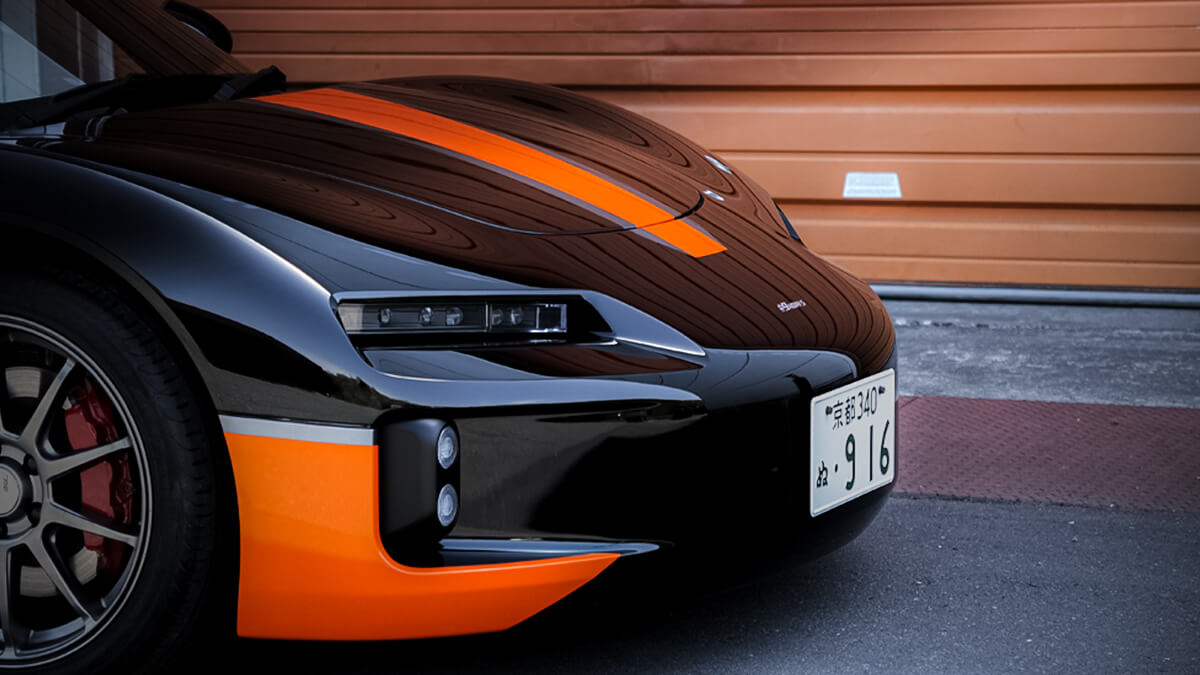
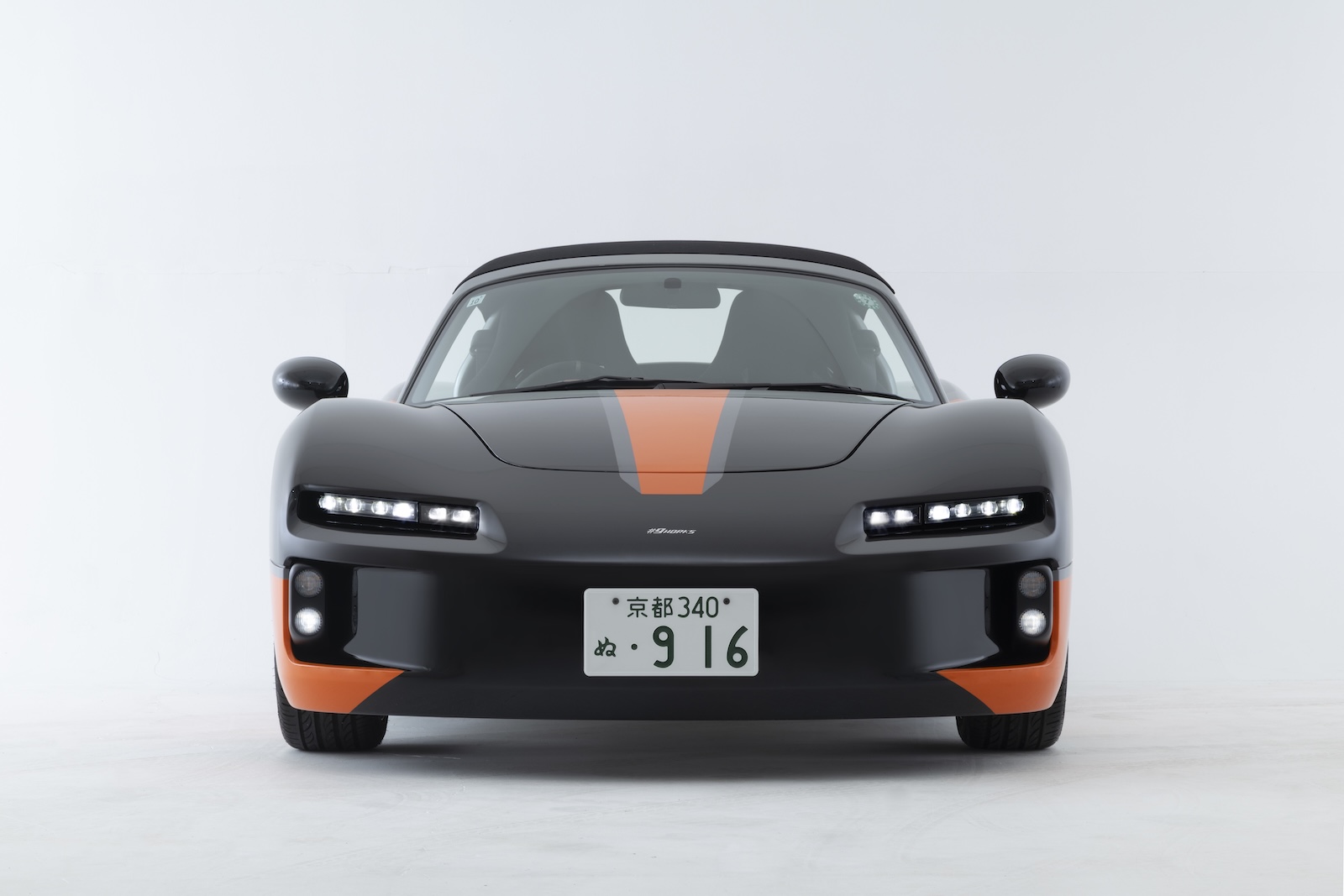
For its third iteration, the Sweep9 has wears a completely new face with thin, recessed LED headlights and stacked foglamps. The rear gets a new fascia as well, with harder edges and deeper-set taillights as well. Compared to the previous ZZ, it’s longer by over two inches. A new CFRP top and aluminum monoblock 6-pot calipers update the Sweep9 with modern materials.
For Fujitsuka, the goal of the Sweep9 is to show Japan’s automakers what is possible. He has long been an advocate of holistic manufacturing approaches, ways to stay true to the original vision of a car as it undergoes the many steps required to go from concept to production. Having worked in large corporations, he has seen up close how spreading a project across many departments may optimize a particular part, but not necessarily benefit the spirit of the car as a whole.
“In large OEMs, the division of labor and shortened development periods limit opportunities to thoroughly engage with the vehicle on-site, which can result in a tendency to prioritize safety measures over bold challenges,” Fujitsuka explains.
In an interview with an industry promotion group for Kyoto Prefecture, where No.9 Works is based, Fujitsuka described how modern car manufacturing dilutes the good intentions of the car’s creators:
For example, even if a parts manufacturer or a materials manufacturer thinks, “If we do this part like this, it will lead to a reduction in the overall weight of the car,” or “This new material could be used here in the car,” they often struggle to sell to automakers because they have few opportunities to directly promote their ideas to the designers or product planners developing the next model, or to directly hear what problems automakers’ engineers are currently facing. On the other hand, automakers don’t usually talk about the direction of their car manufacturing, and even if they want to respond to a sales pitch, they are too busy to do so, so they are forced to say, “Bring it to us when you can make something good that is the same price as or cheaper than the current product.”
Or, since it’s a large company, development is divided into different departments, and each person is a specialist who delves deeply into their respective area. However, this also means that it’s common to find situations where “they know about the body frame but not the engine,” making it inherently difficult for them to take a holistic view of the car and address its needs.
The Sweep9 is a one-off, but it aims to demonstrate how No.9 Works can build a bridge between suppliers and OEMs.
Since it’s impossible to evaluate or judge based on parts alone, our role is to help by assisting with things like building an entire car, modifying a commercially available car and installing the system into a vehicle for evaluation, or even creating a concept car and promoting our system by letting people experience it at exhibitions.
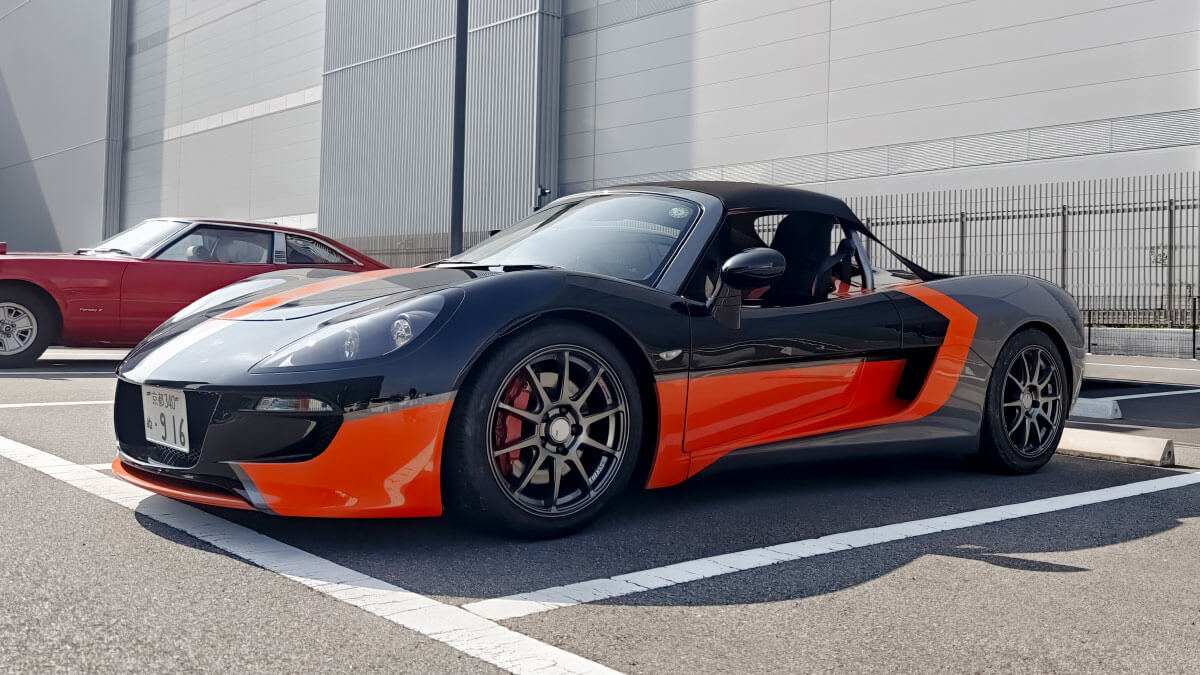
Fujitsuka’s philosophy with the Sweep9 can be clarified thusly: “We believe that engineers actually touching cars, thinking for themselves, building, and testing them leads to invaluable learning that cannot be obtained from desk work alone.”
There are no plans to offer the Sweep9 for sale, but it’s not quite as stillborn as the Tommykaira ZZII, If Fujitsuka achieves his objectives, new cars coming down the pipeline from Japanese manufacturers will have a bit more of the reborn ZZ in them.
Images courtesy of No.9 Works, Fortmarei.



About the ” ‘… which can result in a tendency to prioritize safety measures over bold challenges,’ Fujitsuka explains.”, I think the untranslated version might say something more alike to “in a tendency to prioritize safe and established engineering methods over bold solutions”, does it make sense?
I know from my brother in law who engines (is that what an engineer does? “To engine”?) for a plastic parts supplier for OEM, and he said that the OEM designs they receive are all nice and great but often not feasible as-is, so they have to re-engineer most of them for their factory, maybe move a split in a part here, something else there and all that jazz, all while knowing they have to compete against other supplier who want the same juicy contract for the same parts. For a bread and butter car, you better find a cheaper way to make the part and pass the saving to the OEM and keep your employees busy.
When cars designs are driven not by bean-counters and comitees but driven by an art director of some sort, the director with a vision who will listen to what the suppliers (or in-house manufacturers) can make and make the car better at each step that we get cars like this Sweep9. I suppose most halo-cars fall in this category, but it is when it gives us the Miata and the original Z that most people can enjoy that it is great. (Can anyone name others? I know there are but I do not have any other on the top of my head.)
This is not to belittle the work of No.9 Works, I am sure it is amazing, but big manufacturers cannot afford to take this time and engineer and re-engineer the car everytime a supplier comes up with a great idea, cars like the Rav4 and the Civic would end up on an 8-years update cycle and would lose market to the cheaper car that gets a new generation every 4-years.