

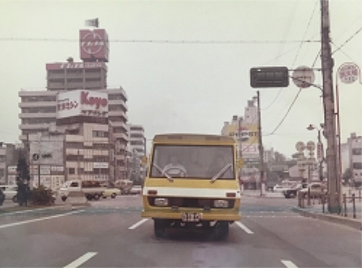
On September 12, a lesser-known corner of Japan’s automotive world celebrated a milestone. Pabco, the oldest vehicle body manufacturer in the country, observed its 125th anniversary. It’s a company whose roots date back to the Meiji Era, a decidedly pre-automotive time, producing wooden handcarts.
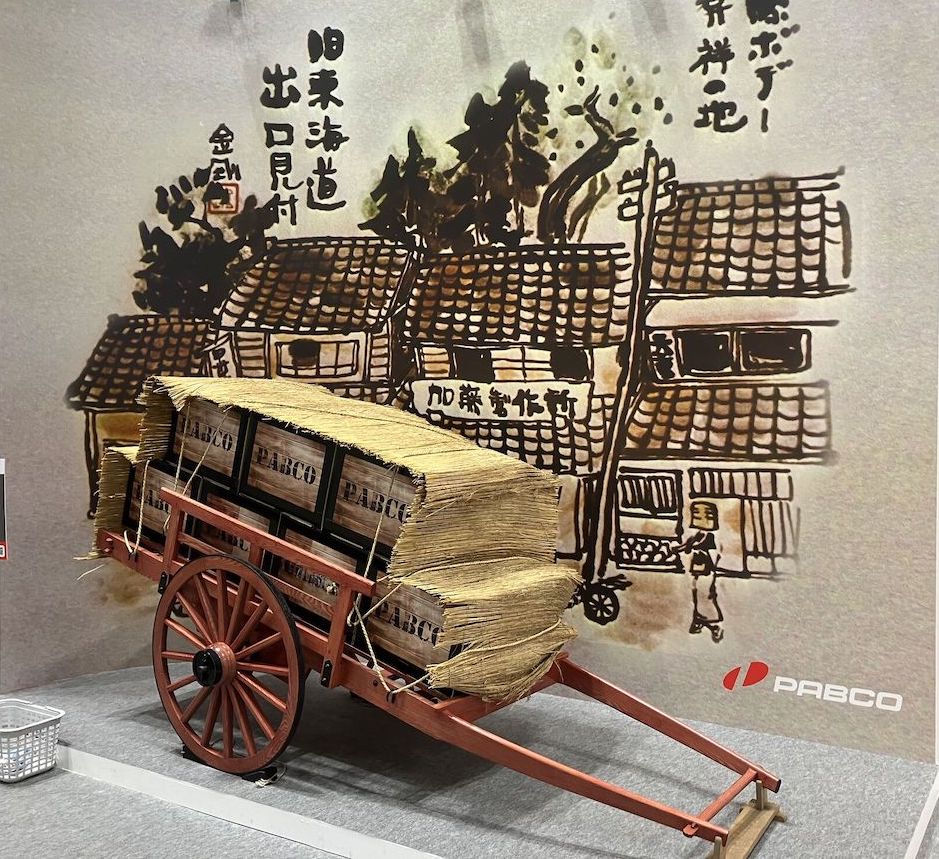
Kato Shosha Seisakusho, the predecessor of Pabco, was founded in 1901 by Kato Fusasuke building hand-made carts called daihachiguruma. It eventually transitioned into building horse-drawn carriages and stagecoach buses. When the Great Kanto Earthquake struck Tokyo in 1923, it destroyed streetcar infrastructure and called attention to the versatility of motorcars and trucks.
Japan hastily imported many Ford Model T chassis and converted them to buses, but even after the streetcar tracks were rebuilt the individual vehicles were here to stay. It was then that Kato was commissioned to build their first truck body.


During World War II, the company shifted production from civilian to military vehicles and the company was renamed Kato Body Works. After WWII came the Korean War, and demand for truck bodies surged. Early truck bodies used wooden cab frames, though those fell out of favor by 1960. Kato Body became well-known for their steel flatbeds and dropside trailers.
The company continued to grow during the post-war economic boom, with new plants built to serve demand coming from all corners of Japan. In the 1960s, bottled beverages like Coca-Cola and vending machines exploded in popularity. To meet demand, Kato Body created a specialized side-loading bottle transporter in 1965. When viewed from the rear, these trucks had a shallow V-shaped floor with A-shaped frame in the center. The design allowed glass bottles to lean towards the center axis of the truck rather than risk breakage when stacked vertically.


In the 1970s, Pabco expanded on the concept by building rigid-chassis side-loading container and wing-roof trucks (which had massive gullwing doors hinged at the top of the cargo area). Along with refrigerated containers and specialty work trucks, Kato Body’s portfolio was incredibly diverse.
They worked with all major truck chassis manufacturers in Japan — Hino, Isuzu, Nissan-Diesel, and so on. By 1985, however, Kato Body had fallen into financial peril. After a massive reorganization, Mitsubishi Fuso threw Kato Body a lifeline and became their primary truck body partner, while still allowing for partnerships with rival truck manufacturers.
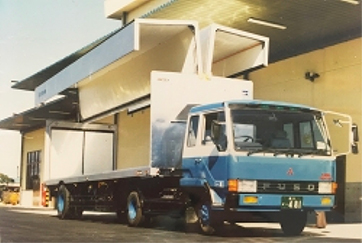
In 1990, the company was renamed to Pabco, based on a proverb that goes, “A single pearl is beautiful on its own, but when woven together into a ring, its beauty multiplies significantly.” Pabco is an acronym for Pearl-line All Brothers Corporation, representing all the individual units joined together to form the business.
Today, it operates as a wholly owned subsidiary of Mitsubishi Fuso, which purchased it outright in 2003. It’s still non-exclusive, so it wouldn’t be out of place to find a Pabco body on an Isuzu or Hino.
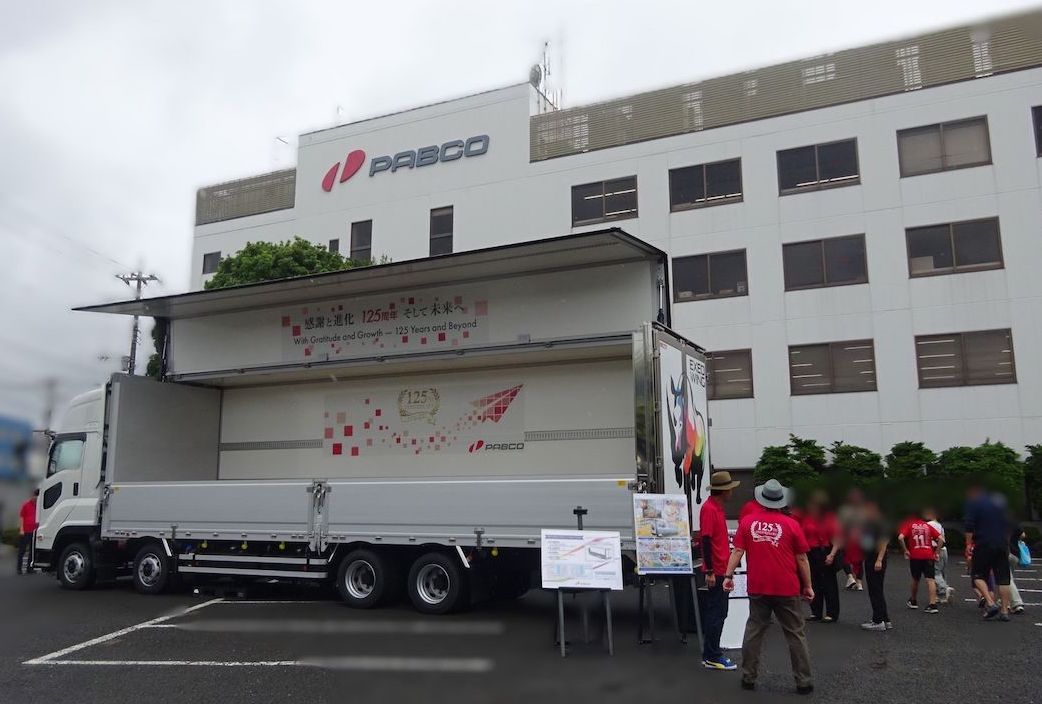
To celebrate the company’s history, Pabco held a commemoration of its 125th anniversary at its Sagami headquarters. The mayor of Ebina City even spoke, congratulating Pabco on its successes. Visitors could participate in manufacturing workshops, 3D printing demonstrations, food trucks, a commemorative video, and a live band performance by employee volunteers. The event was low key without a lot of fanfare, just as the company itself has quietly kept the country humming along for over a century.
Images: Pabco

I really like these looks at areas of Japanese industry, and culture, that you folks post.
Thanks.
And we enjoy posting them!
I’m waiting for an in depth of the Komatsu LAV. (First out in 2002 so nearly JNC)
https://duckduckgo.com/?q=komatsu+lav&ia=images&iax=images&iai=https%3A%2F%2Fwww.net-maquettes.com%2Fwp-content%2Fuploads%2F2022%2F09%2FKomatsu-LAV-10.jpg