

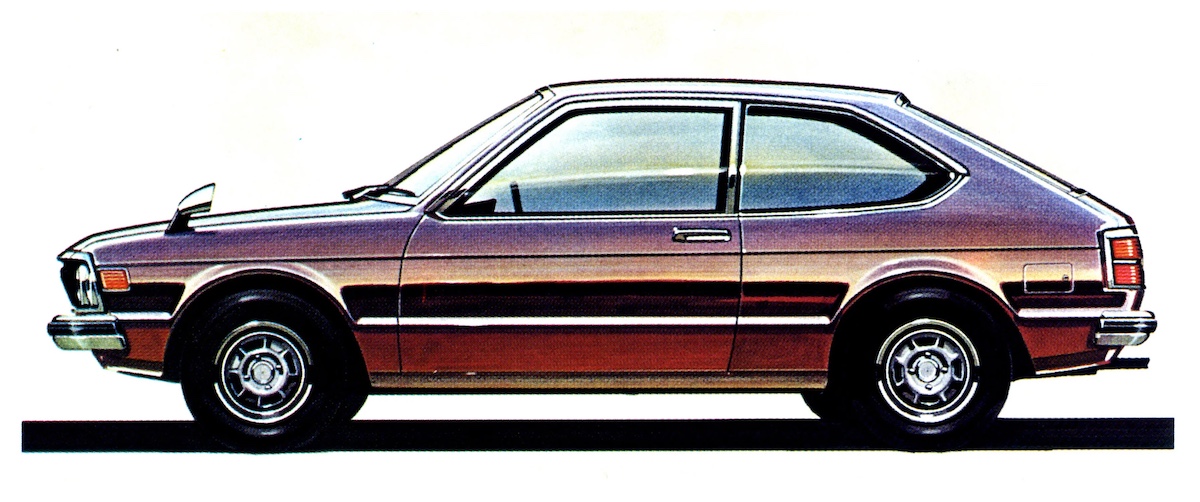
Though we think of the Honda Accord as the quintessential family sedan today, the original Honda Accord debuted in 1976 as a three-door hatchback. As Honda’s first mainstream car it didn’t break any molds in terms of design — that would come later. The first-generation Accord was just a good, honest steed that didn’t break the bank. However, it turns out Honda had some pretty funky alternative designs for the Accord, and if a butterfly in Brazil had given its wings an extra flap we might have gotten a very different car.
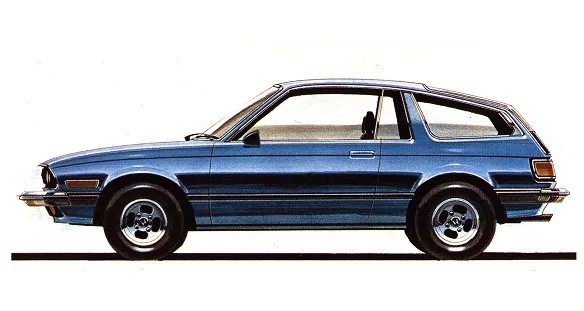
As part of the commemoration of the Accord’s 50th anniversary Honda has released some design illustrations that have never before been digitized. These drawings stem from the ideation process, in which designers unleash their creativity to see what sticks. One of the early sketches had the Accord’s roofline extending almost to the taillights before angling downward in a shooting brake profile. The panoramic window over the rear seats and cargo area would have been ahead of its time.
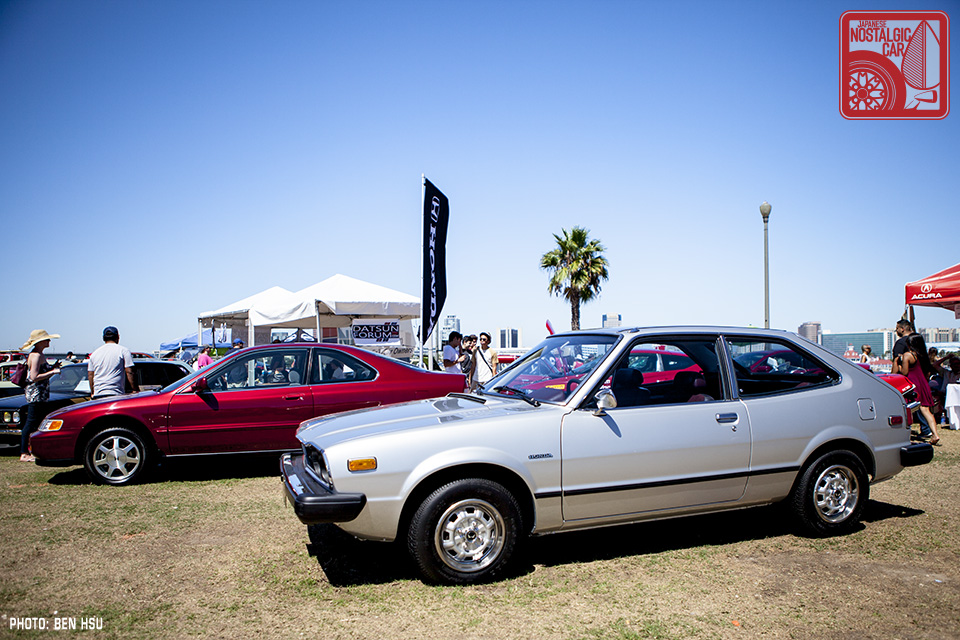
Building on the success of the Civic, Honda wanted to give Accord owners peace of mind. It was right there in the name, which means “harmony”. The first half of the 70s was marked by concerns about the oil crisis and the build-up of pollution in urban areas. By the second half of the decade, customers were ready to shake off such worries and step into a more leisurely state of mind.
From Honda’s 1976 press release announcing the new car:
ACCORD means “harmony.”
The ACCORD we introduce here is a fresh hatchback sedan developed by Honda for the modern person with a youthful spirit. It is a
new, assertive adult car with the basic theme of providing ‘comfort’ for those who ride in it and ‘harmony’ with the environment surrounding the car.
Without changing the fundamental principles of the car that we sought in the CIVIC, we have given the car new value and completed it with a richness as a human-centered car.
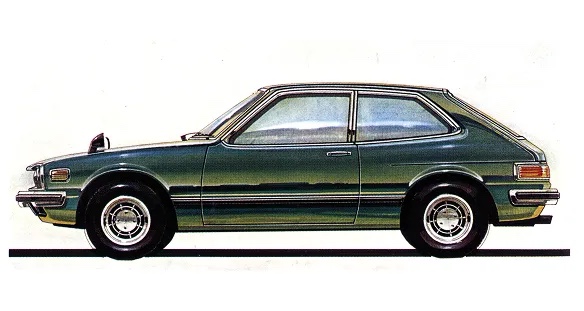 The Accord’s larger 1.6-liter engine provided confidence on the road but still delivered excellent fuel economy, while its CVCC technology alleviated worries about emissions. The roomier cabin let occupants stretch out and stow more cargo. A long list of standard equipment gave buyers a more relaxed dealer experience and more enjoyable ownership overall.


One of the prospective designs hewed pretty closely to the finished product, but showed a straight leading edge for the hood and taillights that wrapped around the sides as triangles. It kind of looked like an Audi 100 had a love child with an AMC Pacer, but that wasn’t necessarily a bad thing.
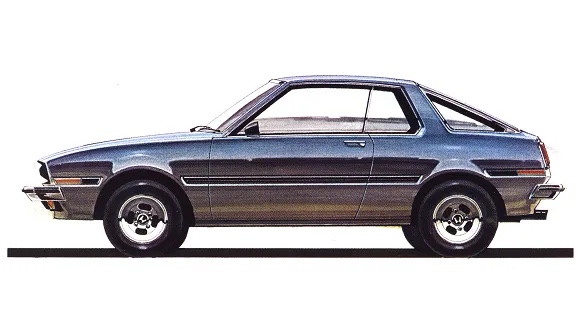
An alternative proposal with a vastly different silhouette showed the sporting potential of the Accord. With a B-pillar integrated as a thick structural band and a delicate hatch that prioritized glass, the roofline almost resembled that of an SA22 Mazda RX-7. One could also easily imagine a targa or T top to fully embrace the sports coupe identity.
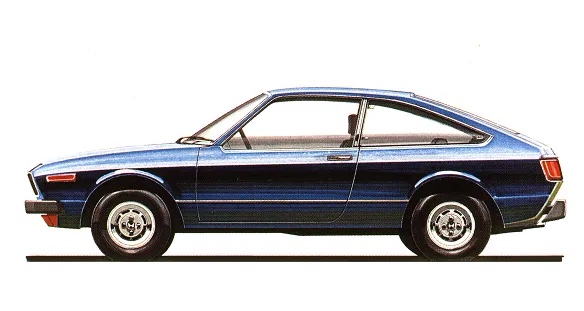
Another draft pitched a more traditional roof and B-pillar treatment but retained the sporting character. The roofline swept back more dramatically to make the car look longer and the nose had a more aggressive reverse rake. The rounded tail almost looked like it could have been a predecessor of the Porsche 928 and uses bumperettes instead of a wraparound bench.


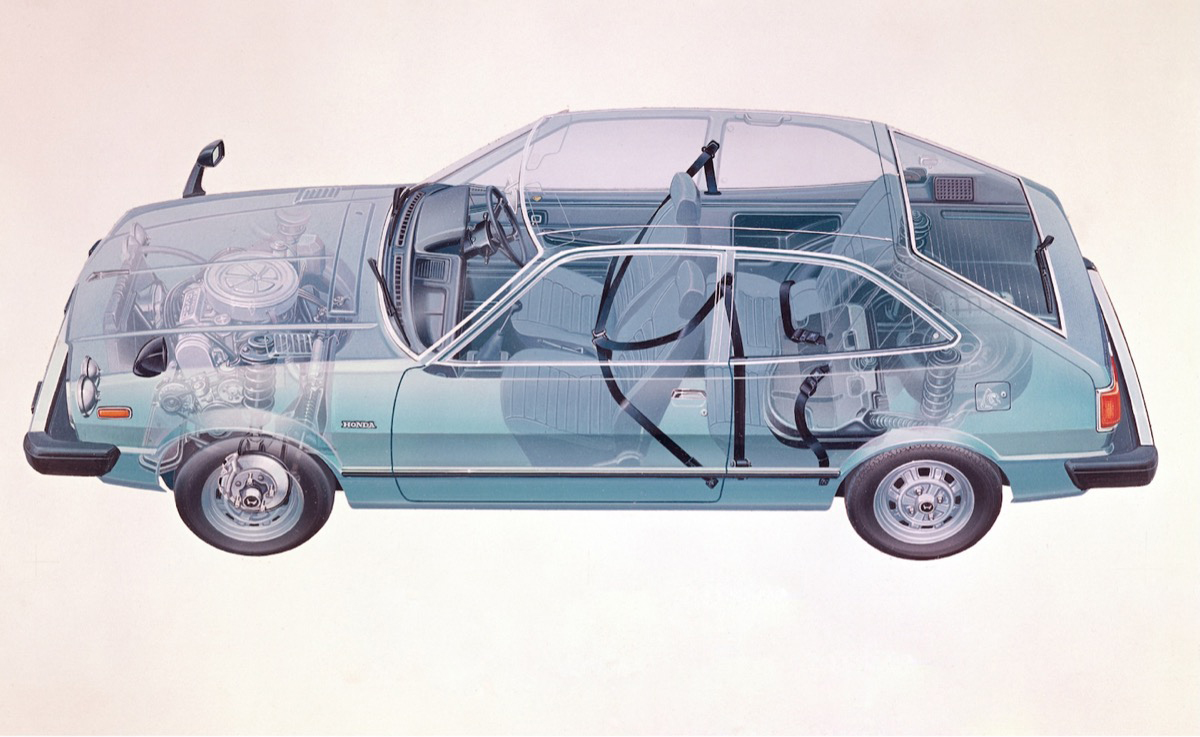
The interior had several variants as well. The basic elements of the Accord’s actual dashboard were all there — a sweeping curve, storage pockets, and an upright and boxy instrument binnacle. Mostly it’s the vent shape and placement that differed from the final product.


The winning design’s use of negative space was simply brilliant. It’s amazing how slim the resulting dashboard actually is, and how small a volume it takes up in the cabin. It helped the Accord seem larger than it was, contributing to the upscale feel that Honda was aiming for.


It’s fun to imagine what could have been, and interesting to see that reliable ol’ Honda did have some wilder ideas. However, it was the right choice for Honda to go with a more traditional hatchback design (followed by a conventional 4-door sedan in 1977). The Accord was the company’s first foray into the mainstream global car market. Any weirdness could’ve jeopardized that debut, making the Accord an anomaly in automotive history. Instead, fifty years later, it’s a household name.
Images courtesy of Honda.



The missing link was always a 5-door hatchback.
That shooting brake looks like the early inspiration for the Accord Aerodeck that came out in the 3rd generation. It’s amazing how early the gestation is for these ideas, sometimes.
I quite like the design for the bottom left on the first interior pic, I wonder if they actually mocked one up in the shop or if someone with common sense halted them saying “looks good but can’t reach the vents”…
I also tought the SA22-like design was goofy-looking, a more convex and bubble-shaped car, then I noticed it is on a wheelbase closer to Civic-lenght? The wheel’s centercaps and lug pattern appear bigger, so even if the drawing is the same lenght, it displays a smaller car than the dark blue coming next. This one would have made for a very gook looking european car!