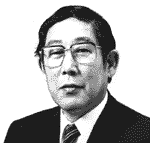
Toyota confirmed last week that Hiroshi Okuda, former president and chairman of the company, had passed away on August 8 at the age of 93. He was a transformative figure in Toyota’s history. When he took the helm in 1995, Toyota was a distant third behind GM and Ford in terms of units sold globally. Its market share in Japan had tumbled below 40 percent. By the time Okuda retired, Toyota was well on its way to becoming the biggest car company in the world.
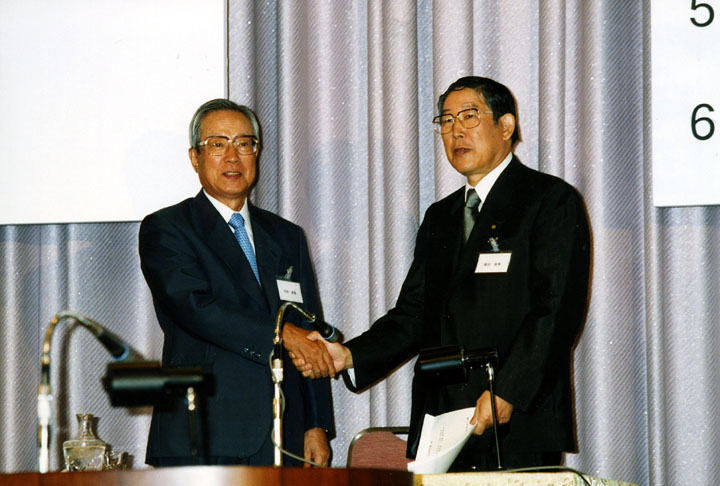
Okuda was born in Tsu City, Mie Prefecture as one of seven siblings. He graduated from Hitotsubashi University in 1955, he joined Toyota as an accountant. However, with extracurricular activities such as karaoke, mahjong, drinking, horse-betting, and achieving a blackbelt in judo didn’t exactly fit in with his colleagues in the accounting department.
He eventually transferred to the engine development department and was sent overseas to Toyota subsidiaries in other southeast Asian nations, including the Philippines and Australia. He was eventually chosen to negotiate Toyota’s expansion into the US that resulted in its factory in Kentucky.
He was chosen by Shoichiro Toyoda to succeed him and became president in 1995. Toyota, long considered the most conservative of Japan’s car companies, was seeing its domestic market share slipping away. It was seen as relying too heavily on traditional sedans and slow to capitalize on youthful lifestyle trends.
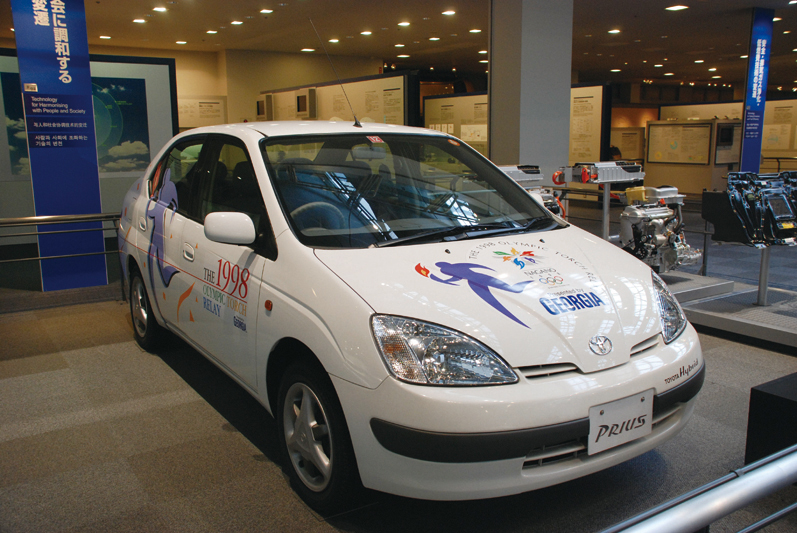
During his era Okuda was best known for fast-tracking the Prius into development. He made Toyota a global leader in hybrid technology, a position it enjoyed for many years as the rest of the world tried to catch up. Okuda also brought models like the RAV4 stateside, kicking off the soft-roader trend and laying the groundwork for Toyota’s best-selling models in the US.
Okuda also prioritized motorsports, pushing for Toyota’s Formula 1 and GT-One Le Mans programs, and received criticism from naysayers that it was too expensive an endeavor. Under his leadership Toyota also took a controlling stake in Daihatsu, which would later become a wholly owned subsidiary.
In 1999 Okuda was promoted to chairman but stayed very active in Toyota’s operations. He retired in 2006, and in the first quarter of 2007 Toyota surpassed GM to become the world’s largest automaker.
Hiroshi Okuda proved that a traditional automaker could transform into an agile, global powerhouse without losing its foundational discipline. His vision ensured that Toyota’s success today, and as such has left an immense impact on the automotive industry writ large.