This year’s Japan Automotive Hall of Fame inductees have been announced. Each year, the organization honors individuals who have made notable contributions to the country’s auto industry. They also recognize landmark cars and trucks that signify milestones in engineering or culture. Here are the inductees for 2026.

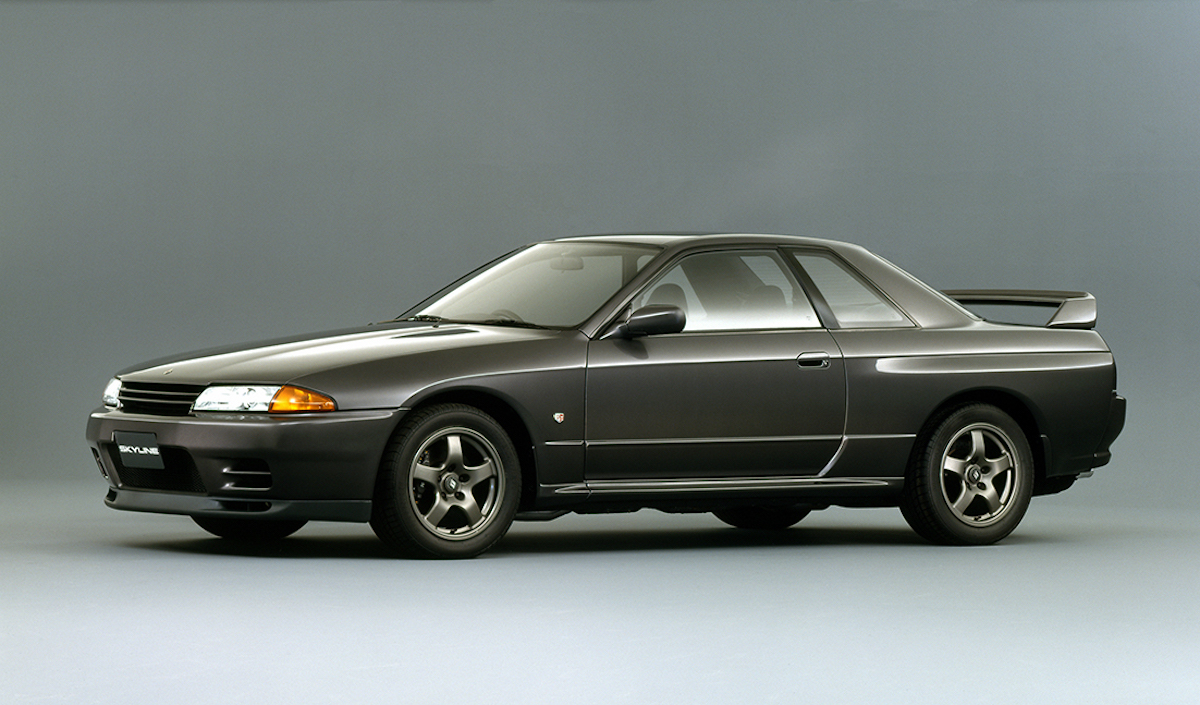
The 1989 Nissan Skyline GT-R needs no introduction. The BNR32 marked Nissan’s revival of the legendary GT-R lineage that dominated Japanese touring car racing in the late 1960s and early 70s. With its twin-turbo straight-six and electronically controlled AWD system, the R32 was built to FIA specifications and entered into Group A, where it once again dominated Japan’s preeminent touring car series by winning every race it entered during its four years of production. The JAHof credits the R32 Skyline GT-R with rekindling the art of performance driving in Japan.
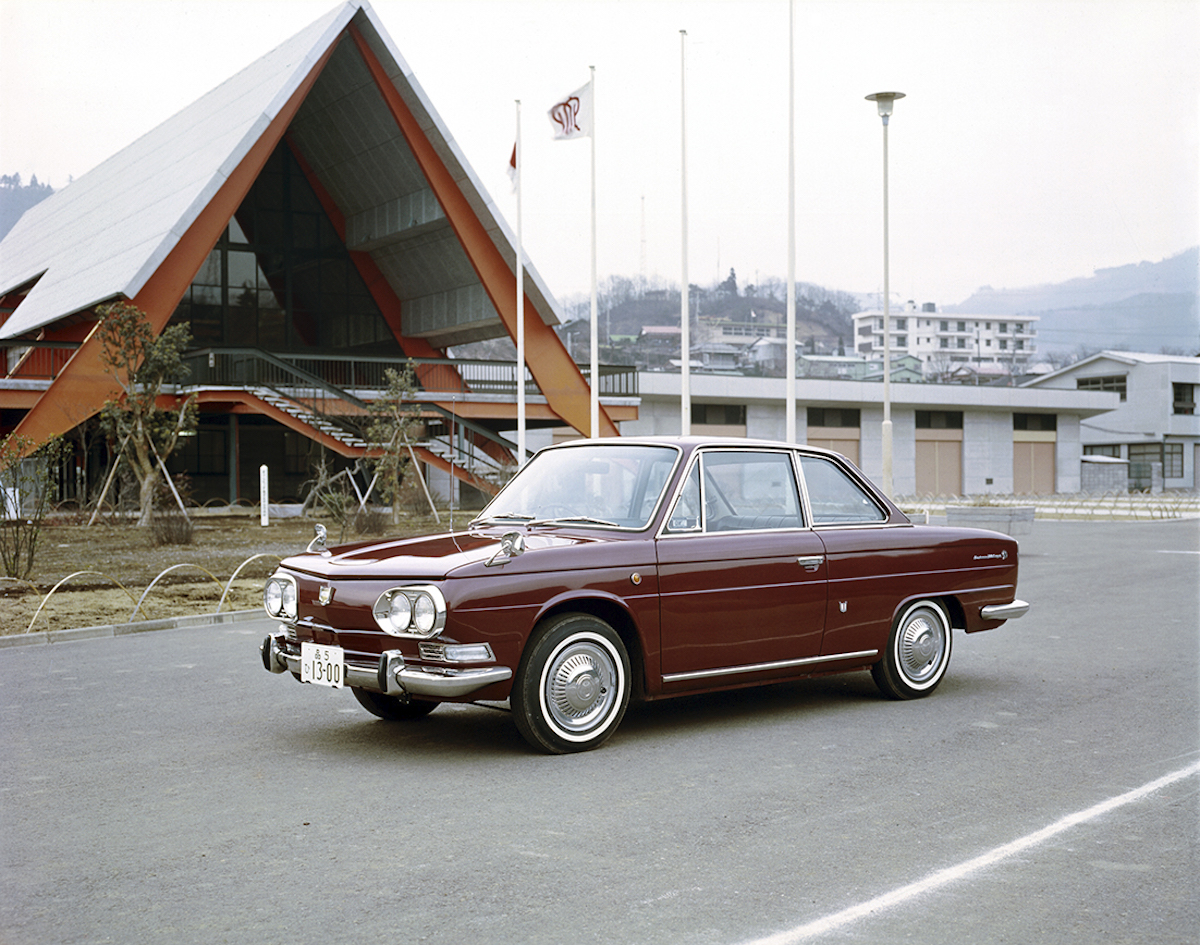
The 1965 Contessa 1300 Coupé was the swan song for Hino’s passenger car business. The avant-garde grille-less body was penned by Michelotti and hid an unconventional rear-mounted 65ps 1.3-liter OHV four. Its elegant lines won it three consecutive design concours in Italy and Belgium from 1965-67. After merging with Toyota in 1966 during Japan’s era of automotive consolidation, Hino became a dedicated truck company, making the Contessa the pinnacle of Hino’s passenger car efforts.
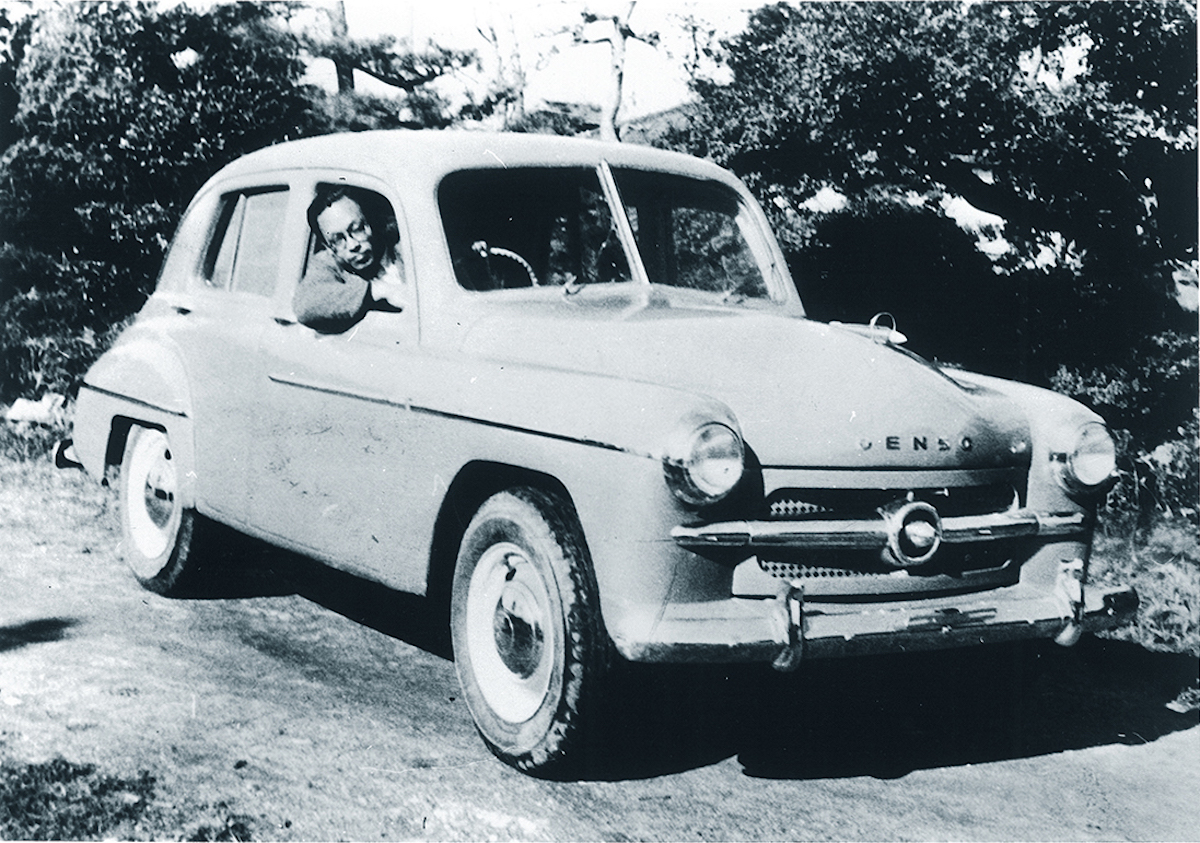
Though known today primarily as an automotive parts supplier, Denso manufactured a full-fledged electric vehicle back in 1950. The Denso-go was developed to cope with Japan’s fuel shortages during the post-war era. It boasted a range of 122 miles per charge and had a top speed of 26 mph. Only 50 were built before lead became scarce due to the outbreak of the Korean War. In 2009 Denso restored one to celebrate the company’s 60th anniversary.
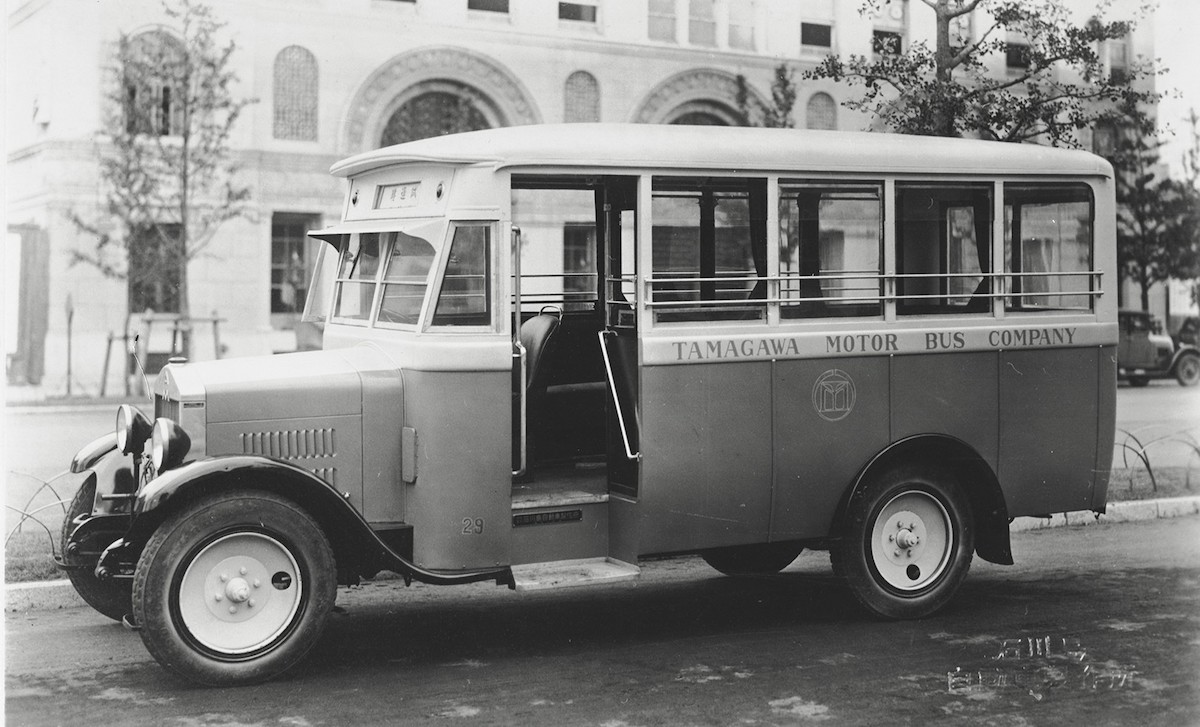
Production of the Isuzu Sumida M-type bus began in 1929, the first bus to be produced entirely in Japan. Named after the river that winds through Tokyo along which its factory was located, the bus was powered by a 2.7-liter water-cooled inline-four. It marked the starting point for Isuzu’s domestic vehicle manufacturing and played a significant role in Japan’s public transportation network.


The JAHoF also inducted three individuals for 2026. Automotive journalist Kyoichi Yamaguchi (left) was among the first to write about Japanese cars in English and helped introduce Japan’s auto industry to the west. Haruo Suzuki (center) pioneered the development of community crowdsourced “near miss maps” to improve traffic safety. Chotaro Yanase (right) founded the largest foreign car importer in Japan, starting in 1915 with a Buick. Yanase started a plethora of related businesses as well, including a coachbuilder for trucks and buses and a car auction house. Yanase is known for importing Mercedes-Benz, VW, Fiat, Ferrari and Porsche brands in Japan.


Additionally, the JAHoF also recognizes new cars. For 2026 the Technology of the Year goes to Toyota’s Arene software found in the Toyota RAV4. Design of the Year goes to the ZE2 Nissan Leaf (right), Import Car of the Year is the Volvo ES90/EX90, and Car of the Year goes to the E53 Nissan Elgrand (left).