

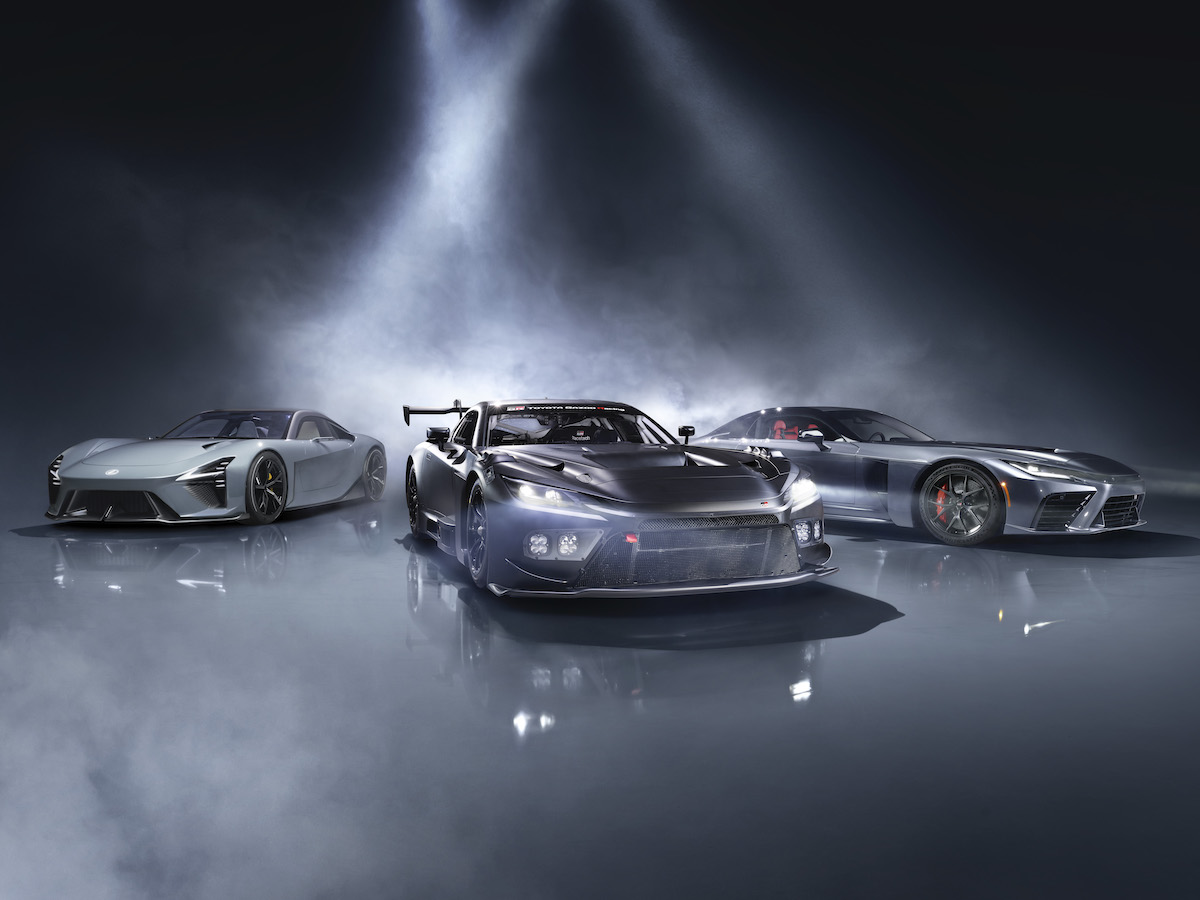
In a one-two punch that will reverberate though the ages, Toyota pulled the curtains off of two flagship supercars today. The birth of a Japanese supercar doesn’t come along very often, and in fact there have only been five since Toyota launched the original one, the 2000GT, in 1967. It didn’t make another one until 2010 with the Lexus LFA. Today, it debuted successors to both. During the unveiling, Toyota execs made it clear that these cars only exist because they were deeply dissatisfied with their own brand.
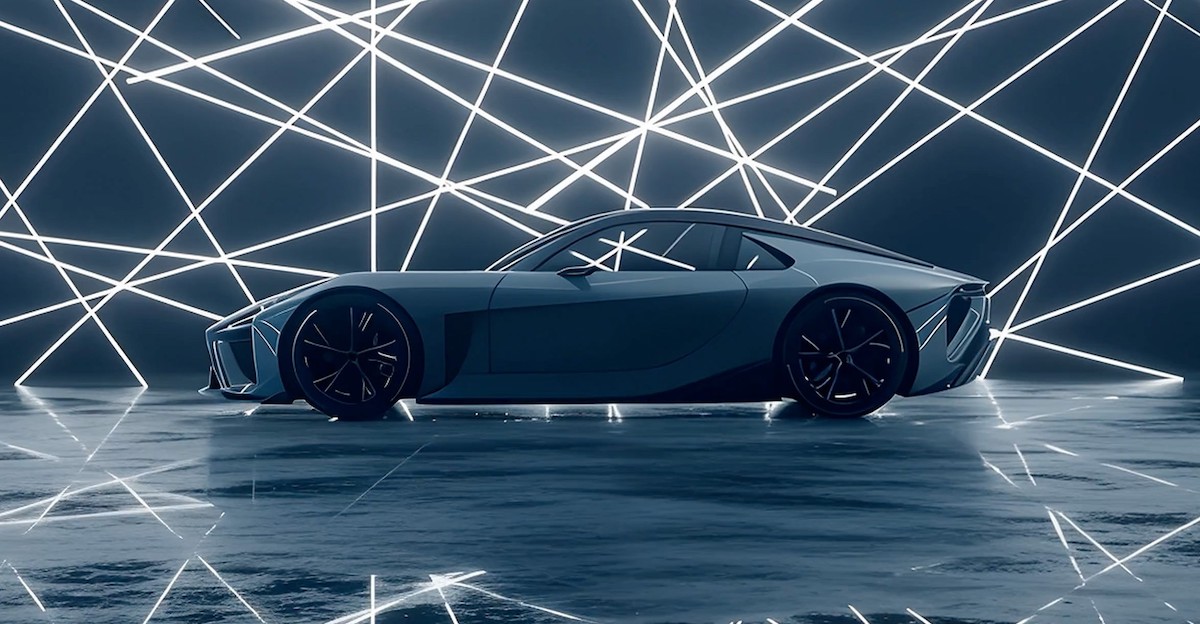
In his speech during the reveal, Akio Toyoda used the term 悔しさ (kuyashi-sa), which has no direct English translation but means something like an intense regret or discontentment, including with one’s self. It’s a feeling of “this isn’t the way it should be” and often paired with a resolve to do better.


The first story of kuyashi-sa, as told by Toyota’s design chief Simon Humphries, took place 20 years ago while Akio Toyoda was studying to be a master driver under the tutelage of Hiromu Naruse at the Nürburgring. Much to Morizo’s chagrin, Toyota had no sports cars:
He could see other manufacturers were prioritizing racing. They were using the occasion to nurture not only new technology and new products, but to nurture the people who make them. Camouflaged prototypes of cars never seen before being put through their paces on the world’s most unforgiving track.
As a company, Toyota at that time wasn’t even trying to build a car capable of racing the Nürburgring. In fact, we didn’t even have a sports car on sale. So Akio, along test alongside test driver Naruse-san, not only ended up driving an old Supra, but doing so under the alias of Morizo.
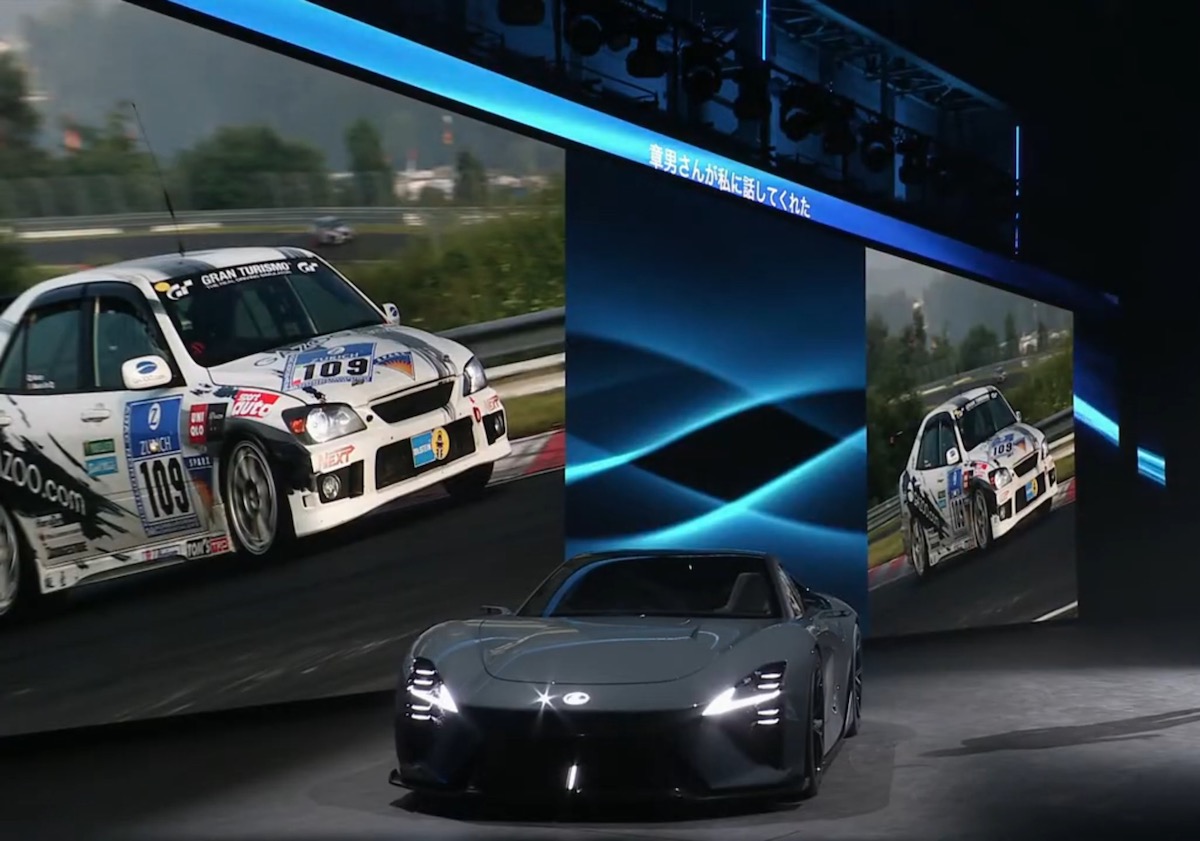
Those pangs of kuyashi-sa motivated Akio Toyoda to greenlight the Lexus LFA. The chairman elaborated on the story:
Thirty years ago Naruse-san and I, just the two of us, were making cars. Little by little, like-minded members joined the effort and finally when the LFA was completed Naruse-san, in a big smile that I’ve never seen before, said, “It’s the first time I was able to drive Nürburgring just looking ahead.”
Till then we were constantly being overtaken by other cars and now we had a car to overtake others. I could feel how truly happy he was.
However, even the existence of the LFA wasn’t enough to bolster the company’s reputation. Humphries told another story, this one from 2011.
Akio was told on his visit there, “Lexus is boring.” That feeling of humiliation was a turning point and it became a source of determination. After that, Akio stood up and made a promise. No more boring cars.
Keep in mind that this was while the Lexus LFA was in production and available to buy new. But even one of the best sports cars ever built couldn’t the overcome the snoozer image of mainstream ES and RX models.
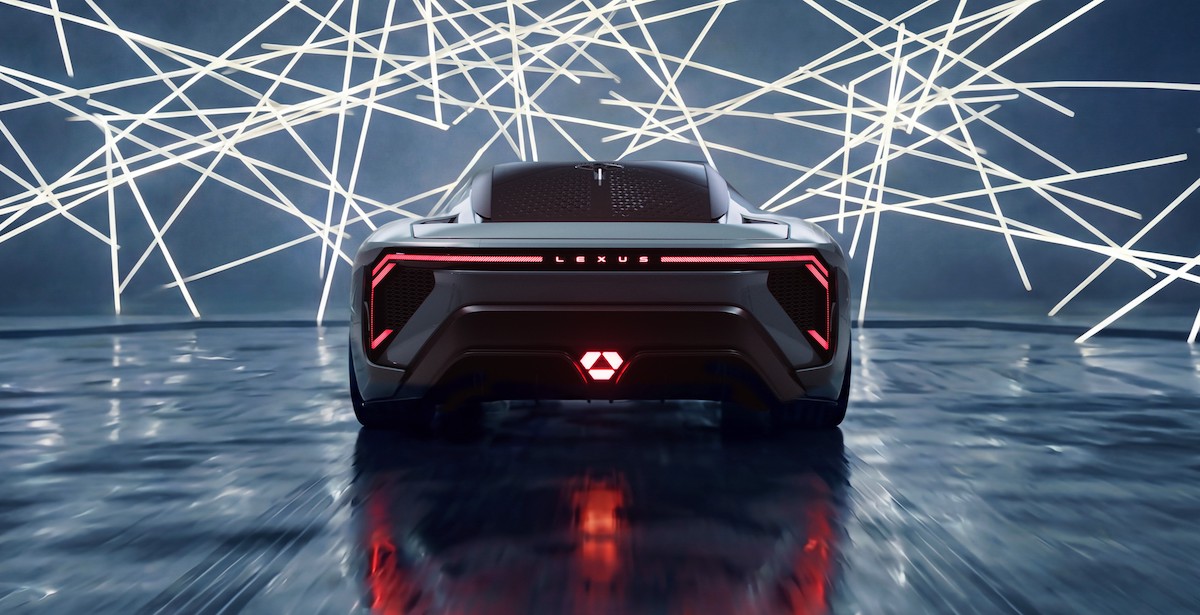
Toyota launched a product blitz of enthusiast-oriented cars like the GR 86, GR Supra, GR Yaris and Corolla. It transformed the company’s lineup from beige to bonkers, and if there are any doubt left then the cars revealed today should squash them.


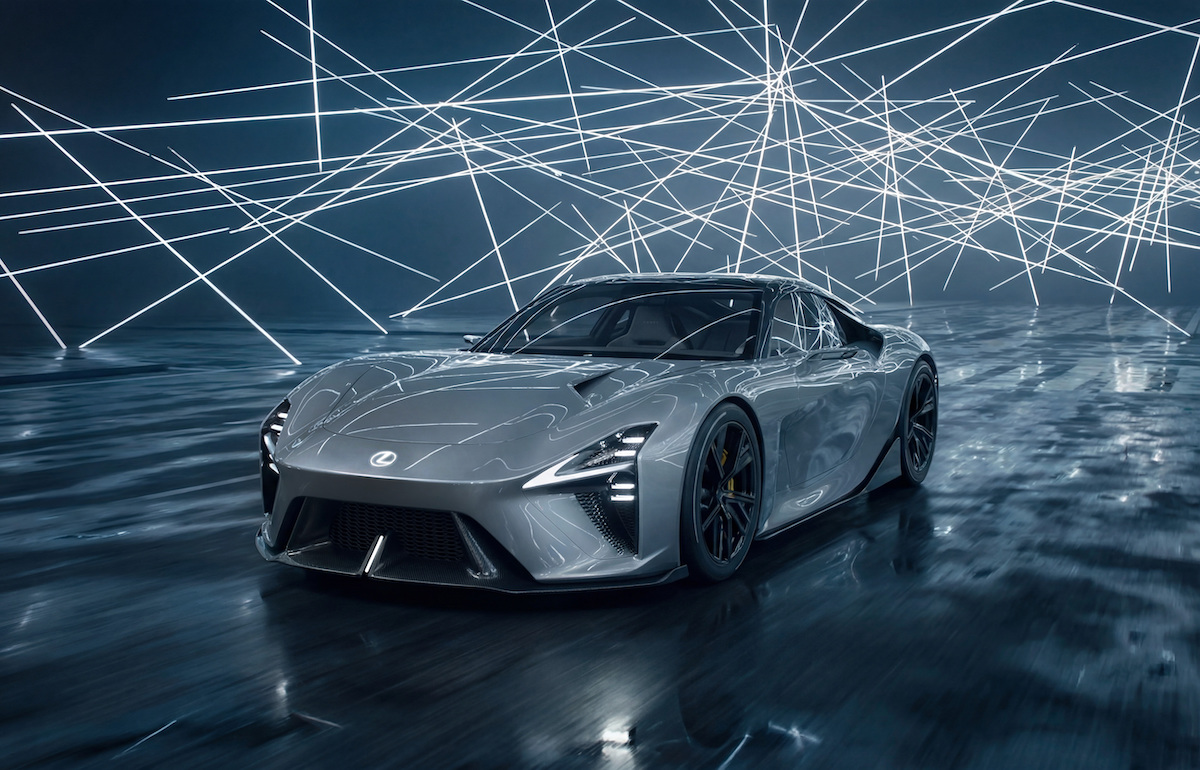
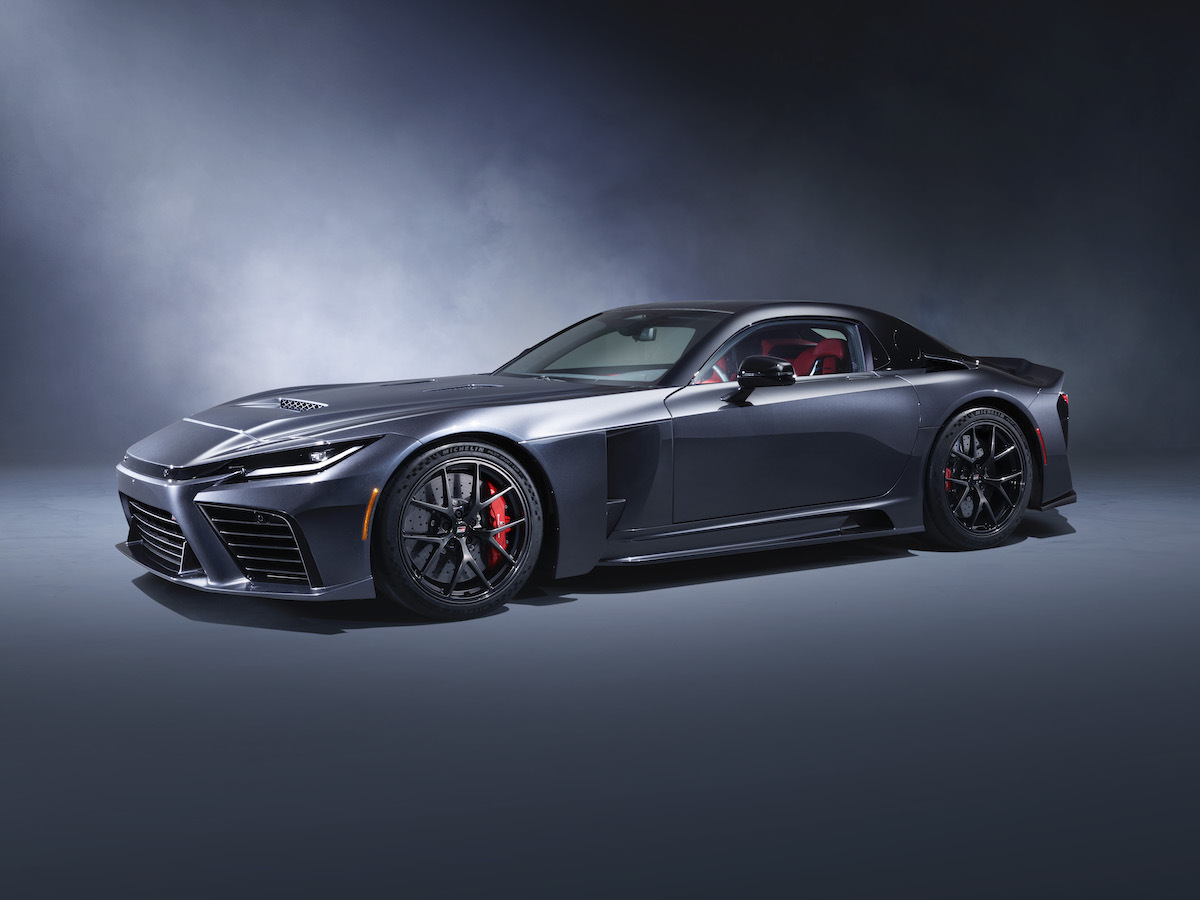
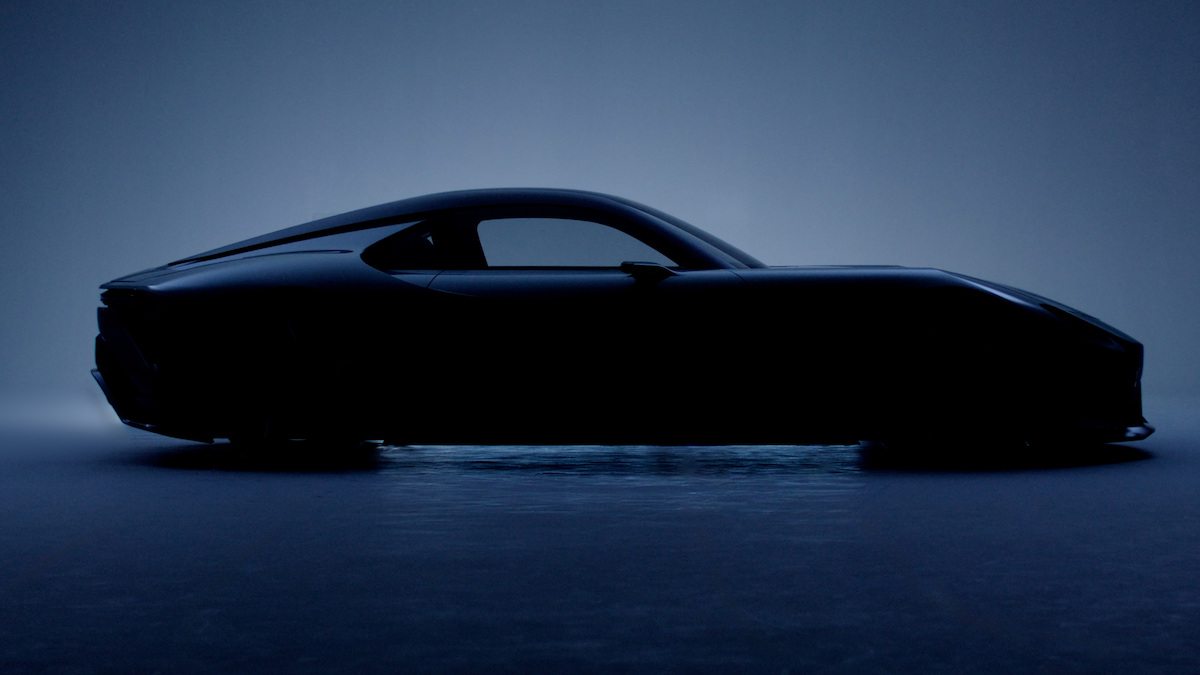
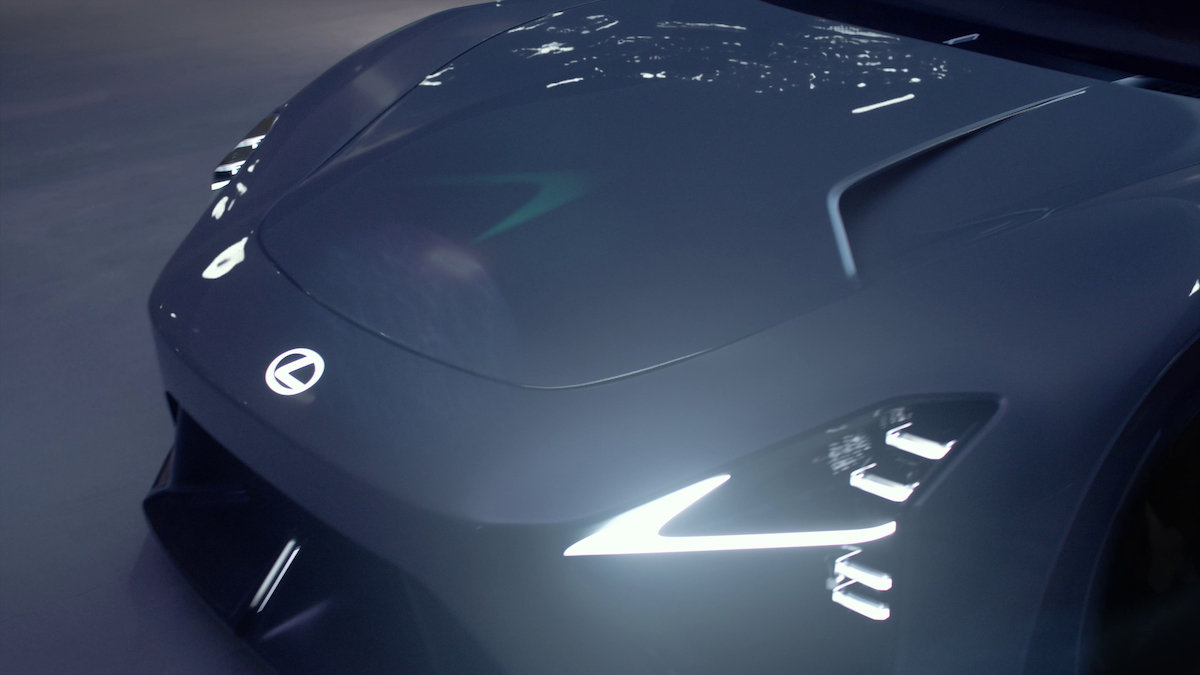
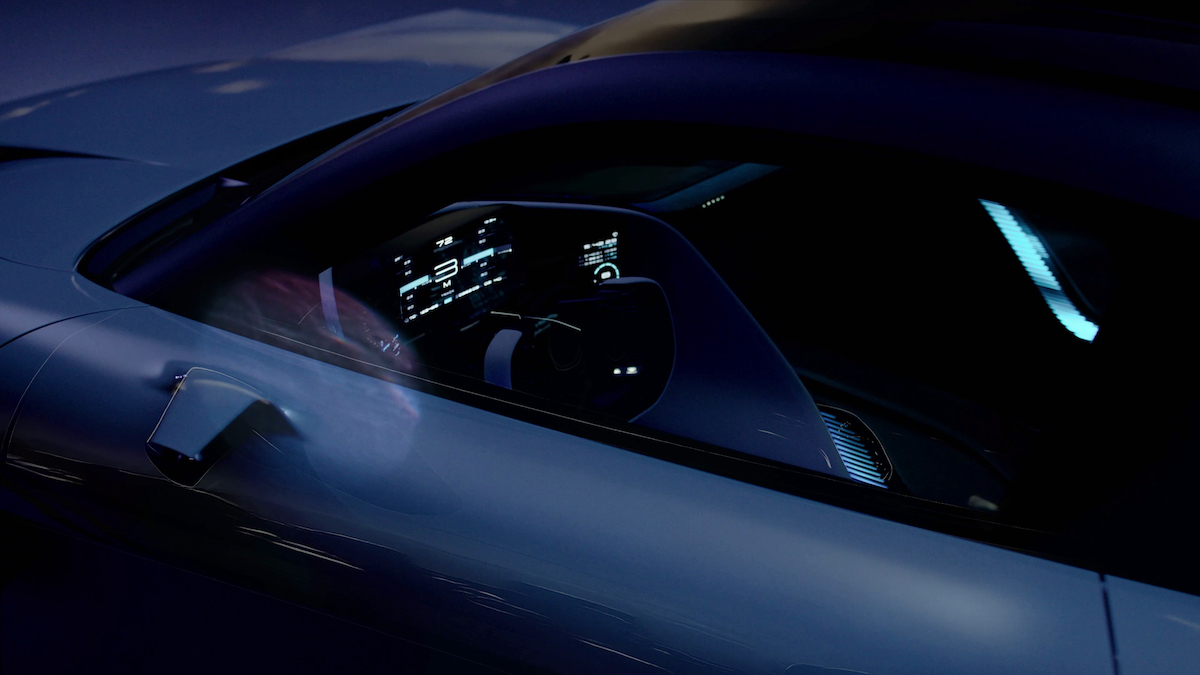
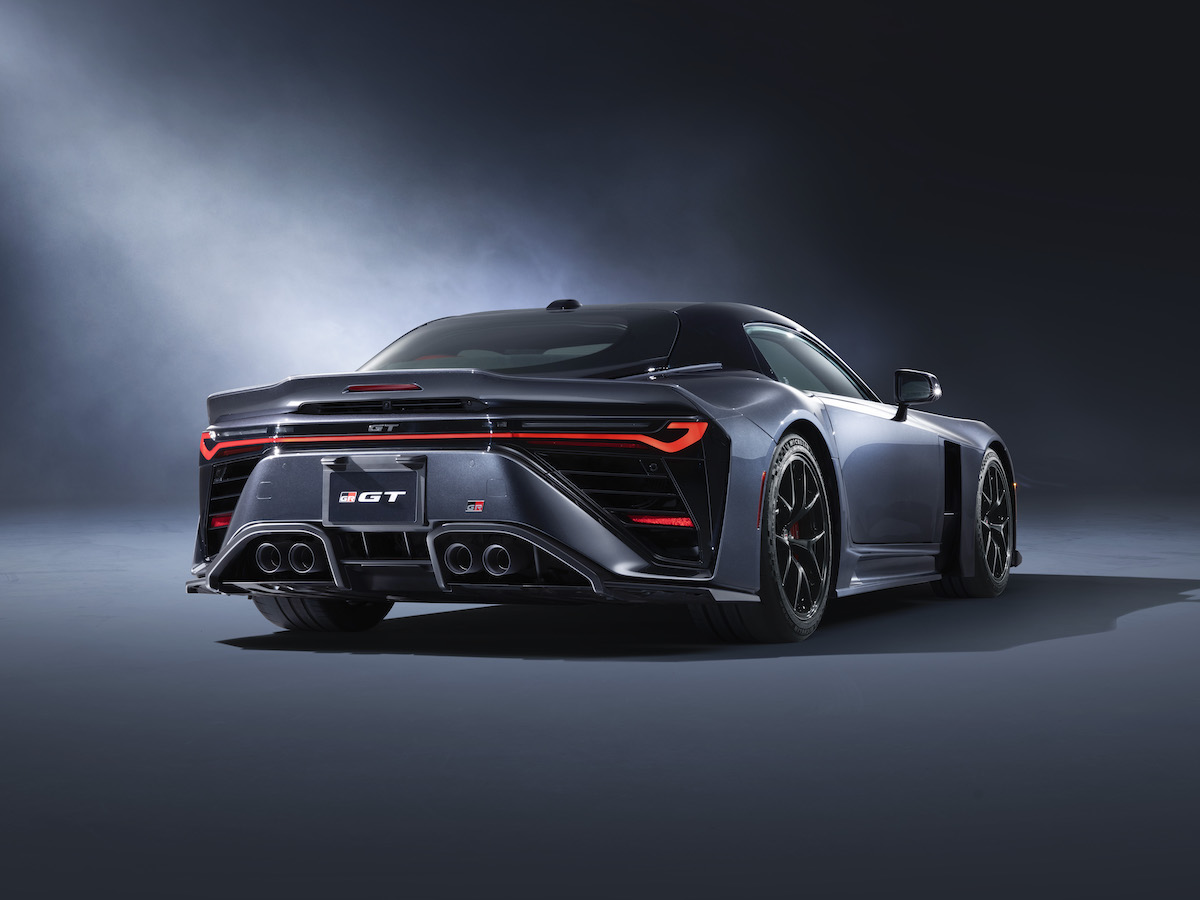
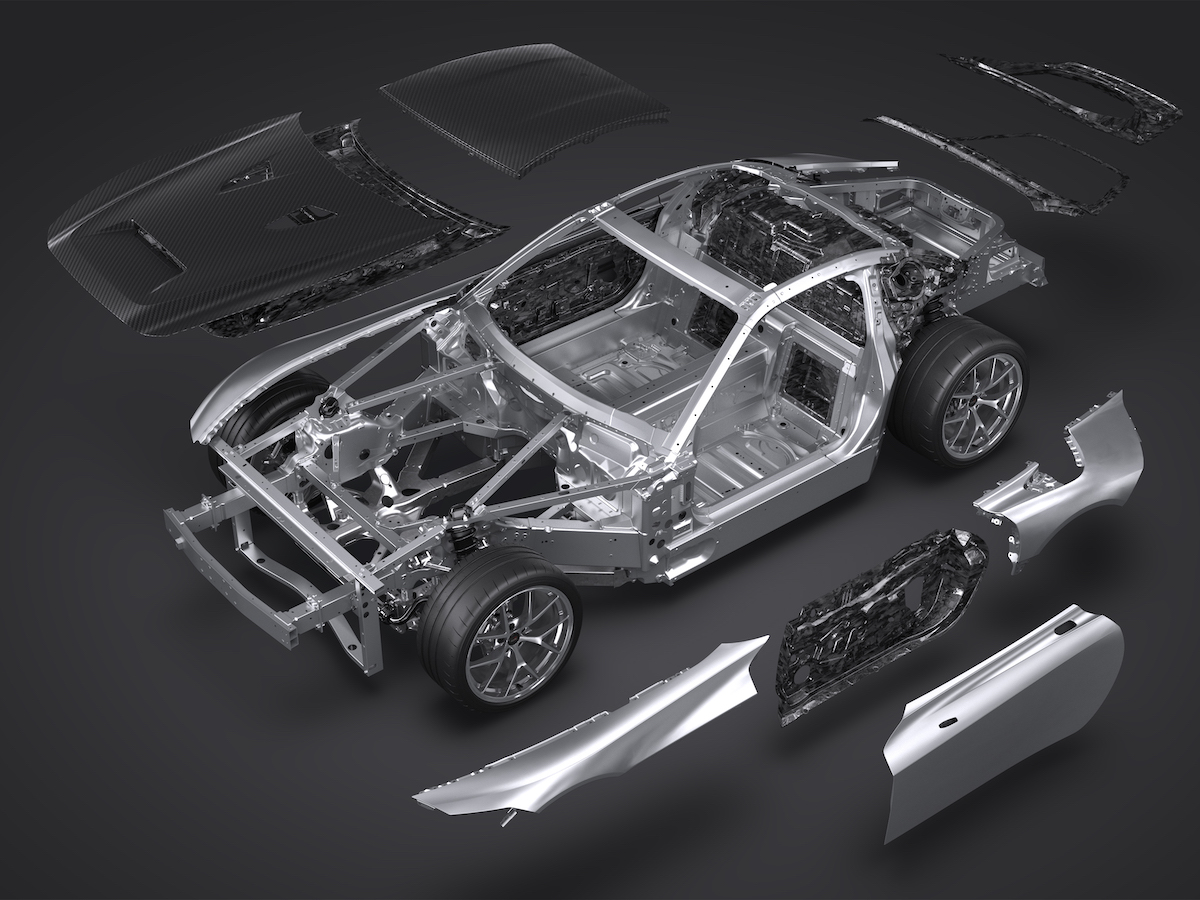
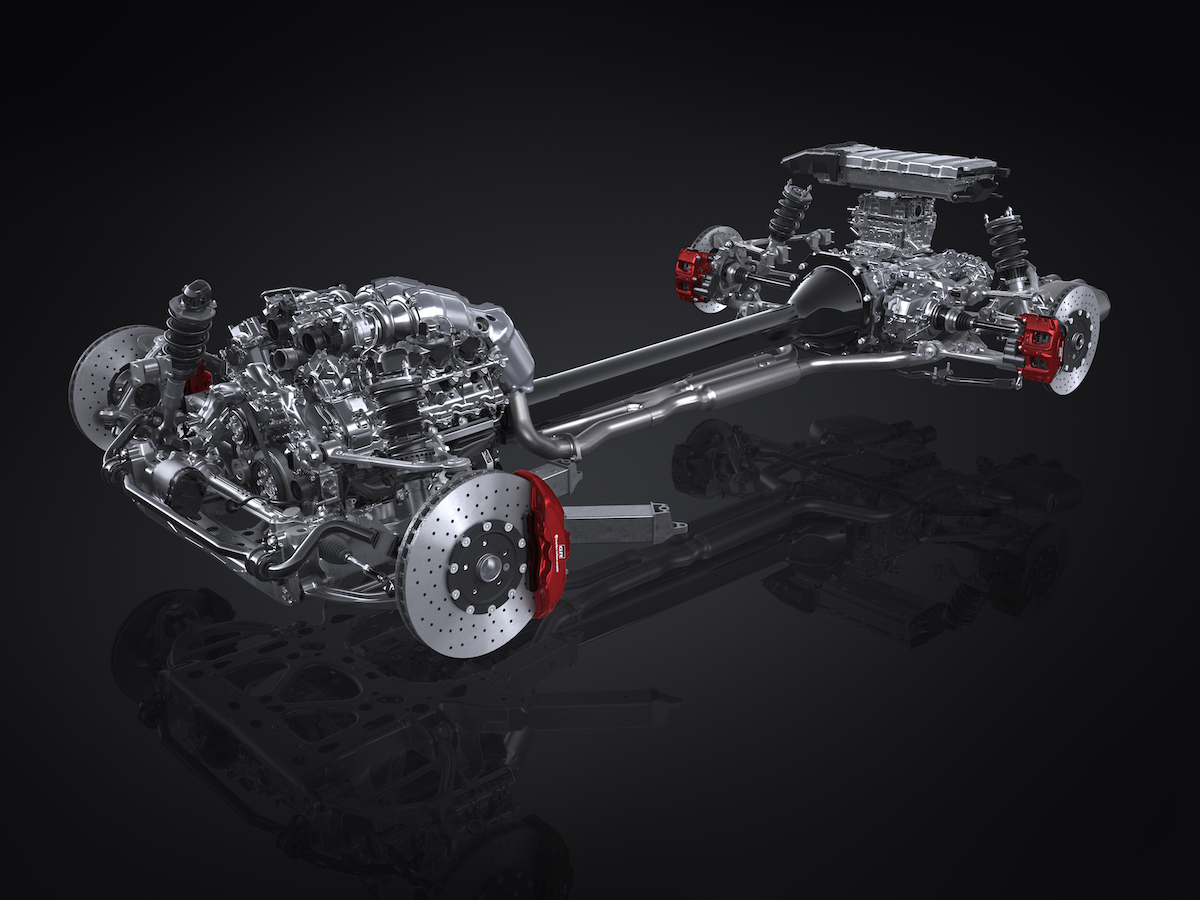
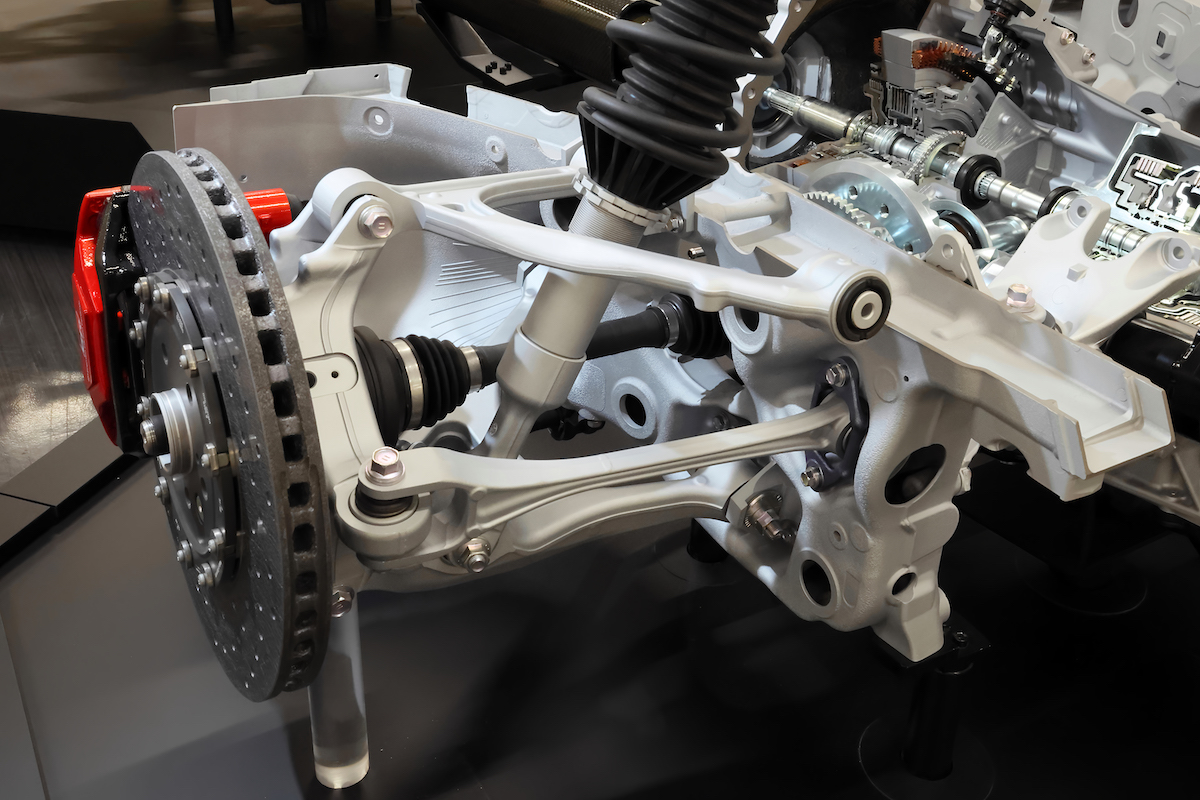
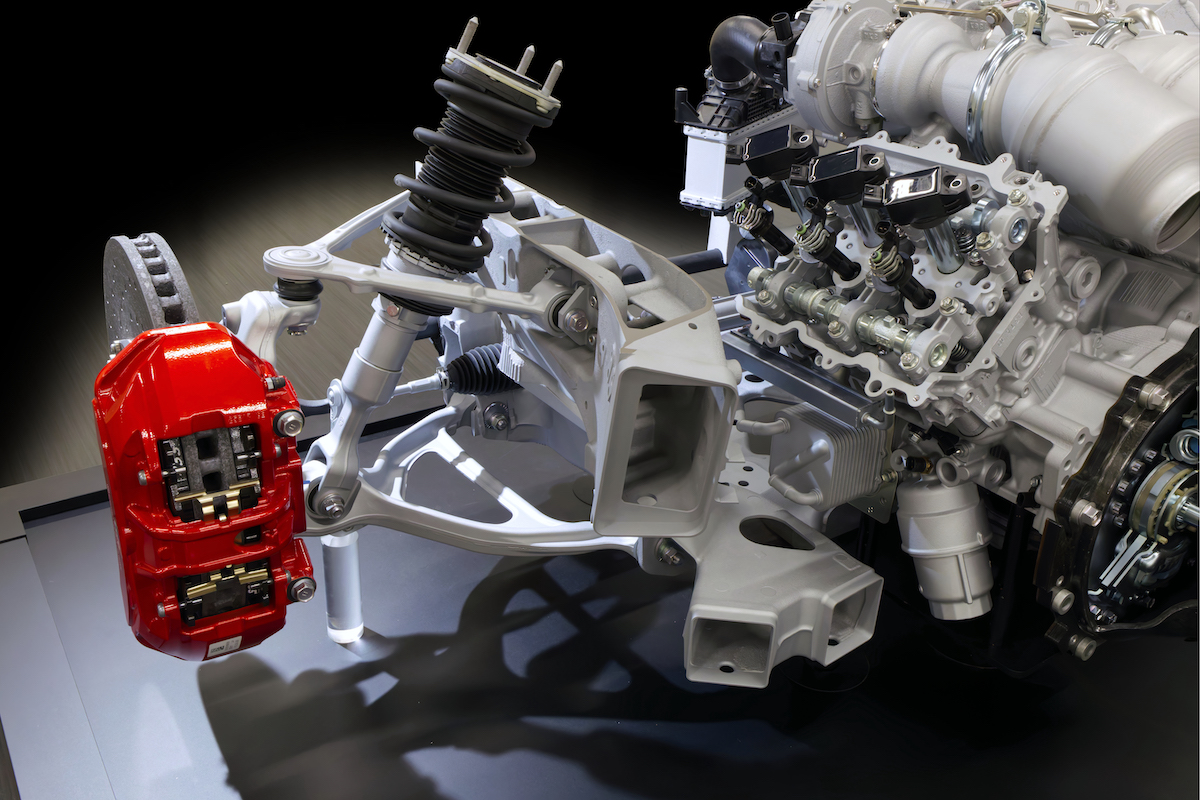
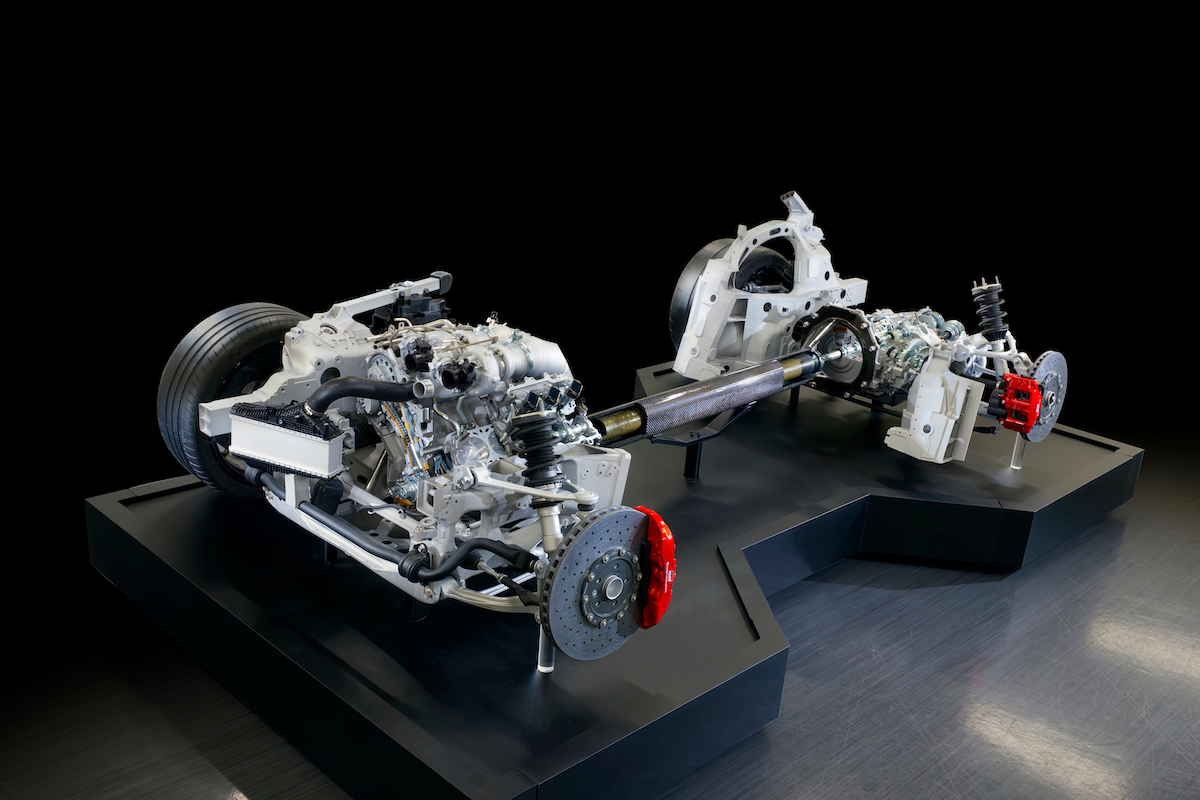
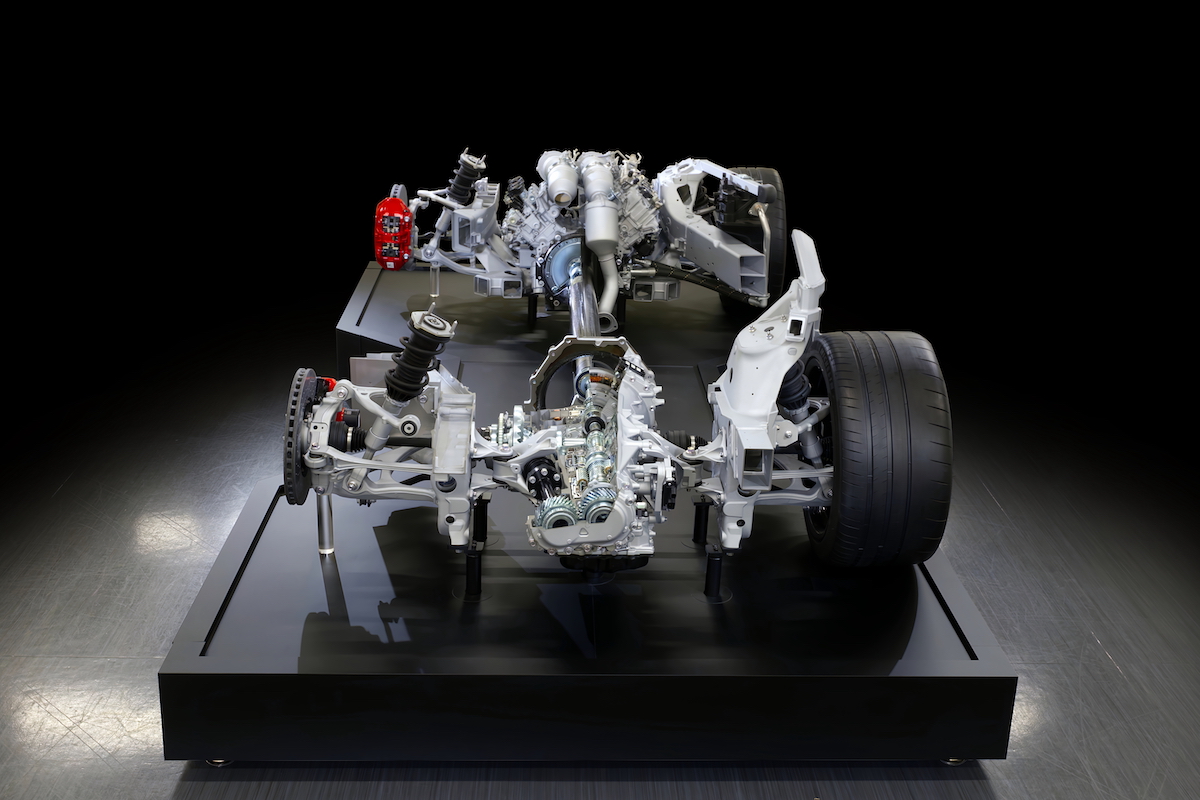
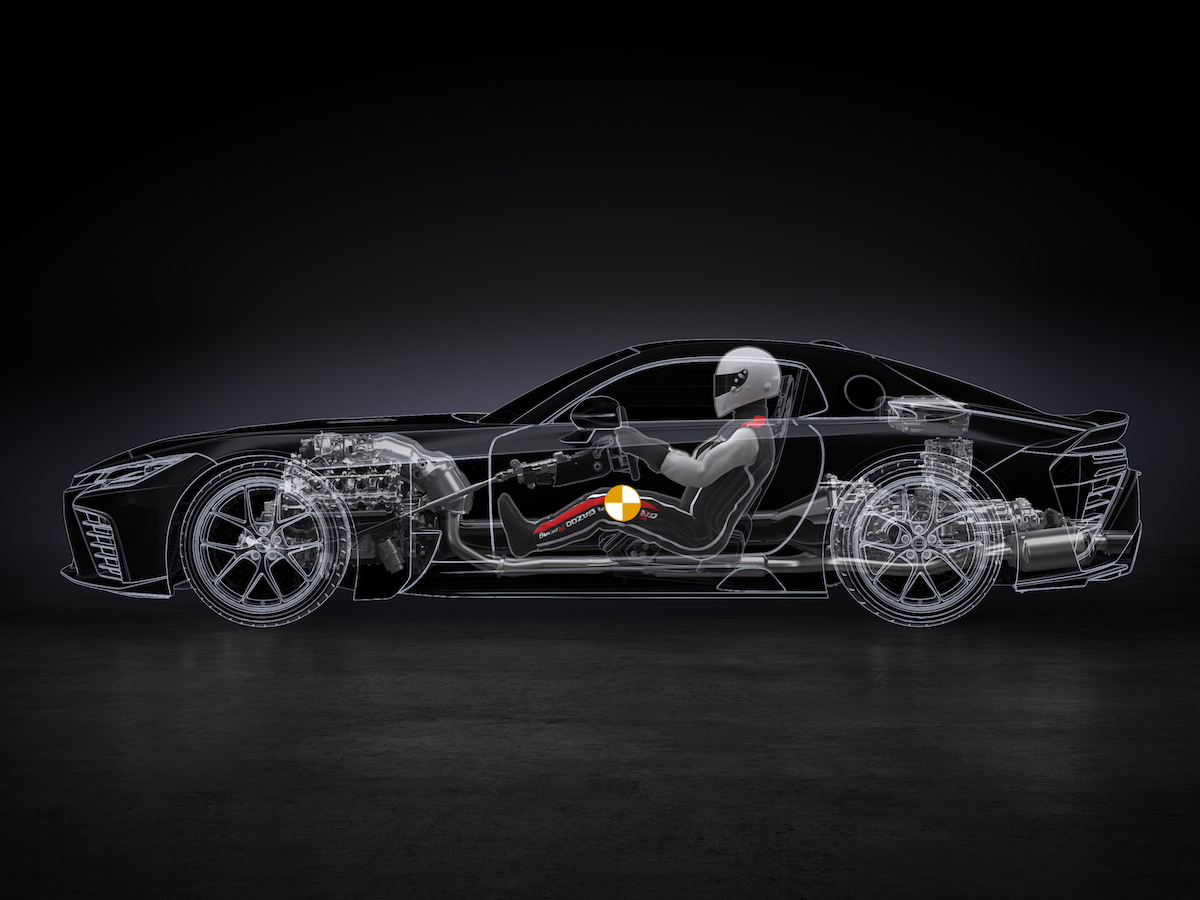
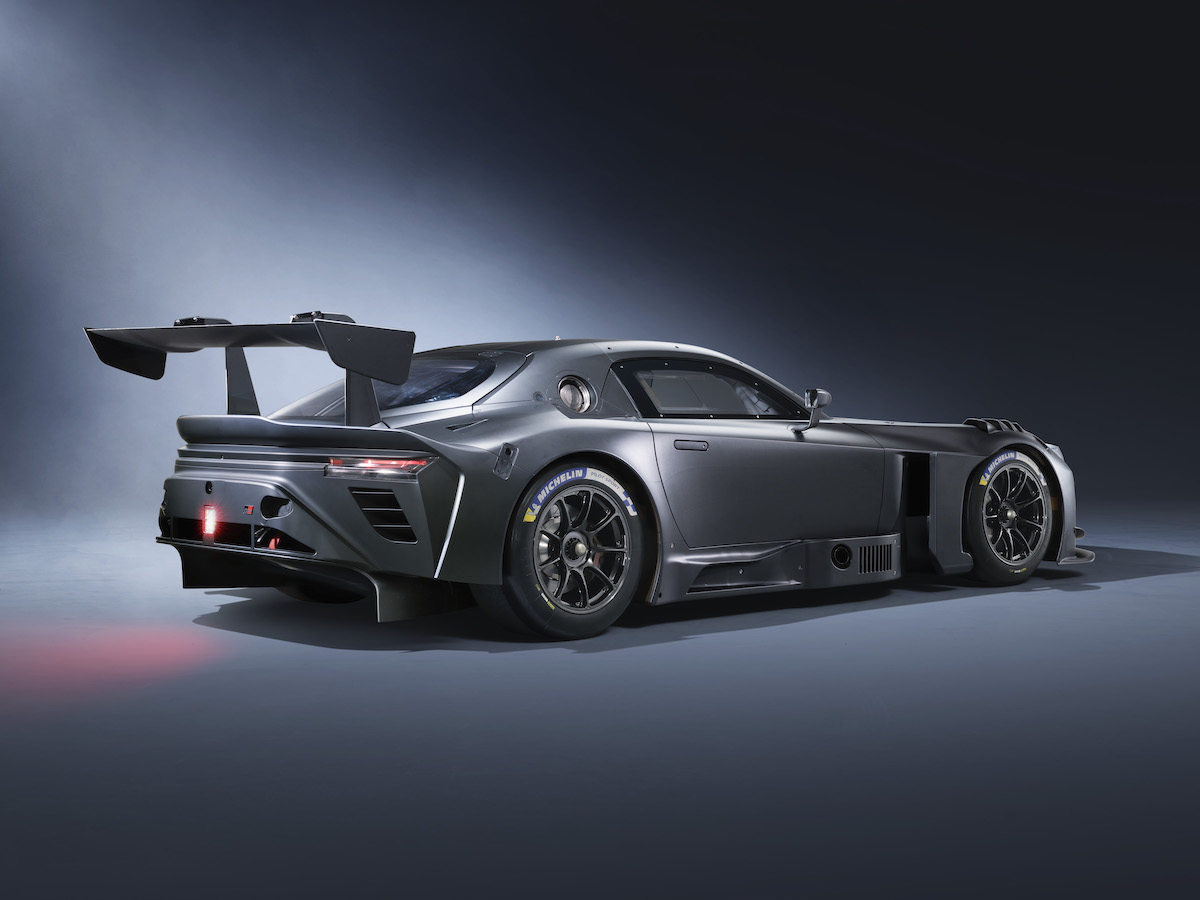
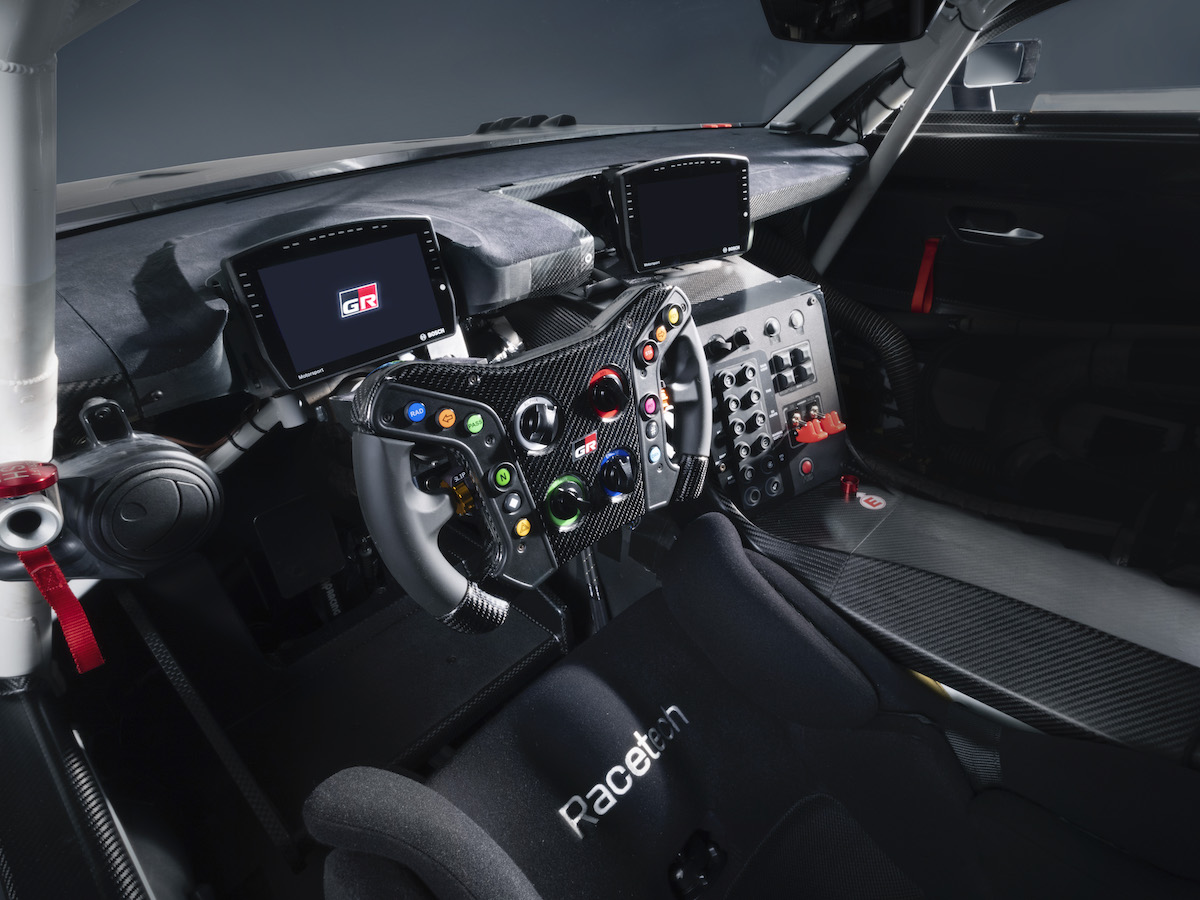
The Toyota GR GT and the Lexus LFA Concept share the same basic underpinnings, built around Toyota’s first all-aluminum body frame. However, three different powertrains can reside beneath. The LFA is a full battery-electric vehicle, the GR GT is a twin-turbo V8 hybrid, and the track-only GR GT3 removes the hybrid system and is powered solely by the forced induction V8.
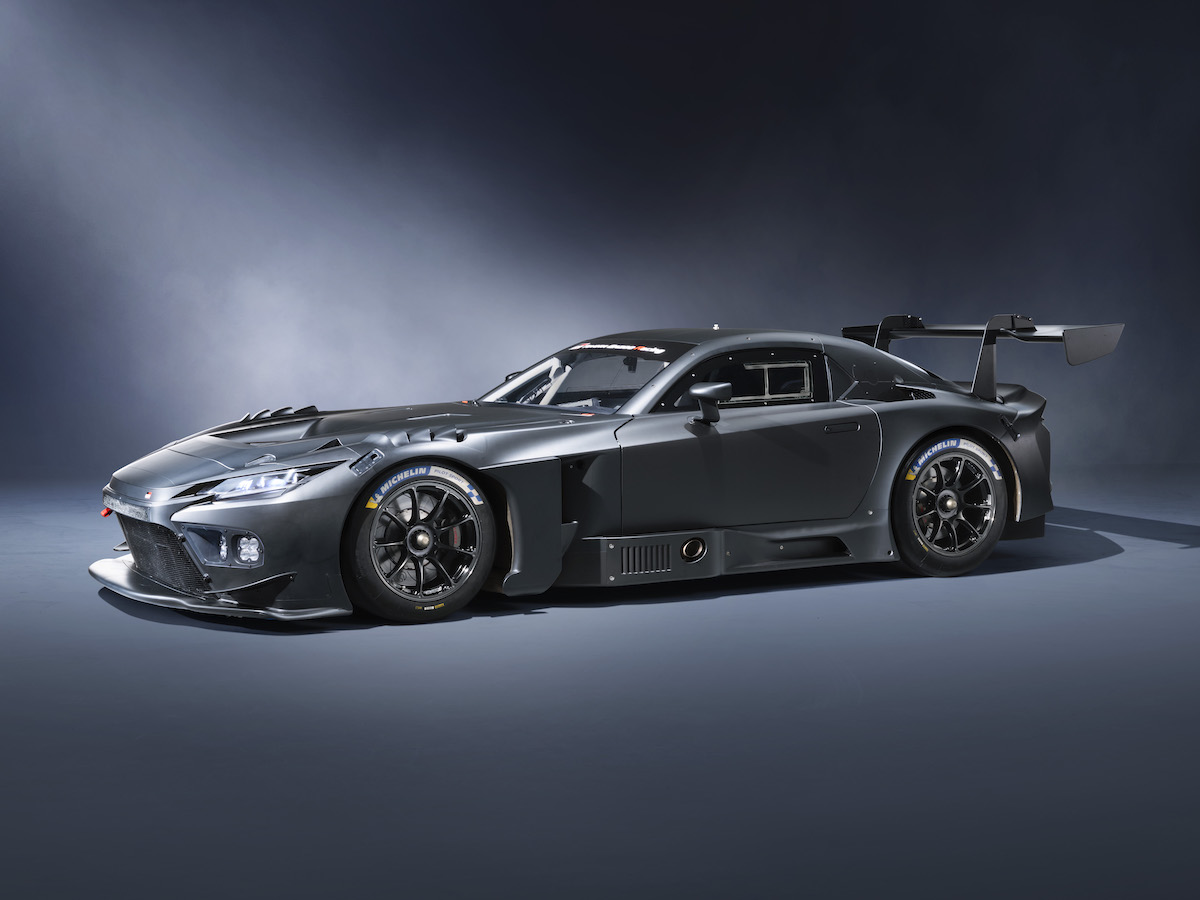
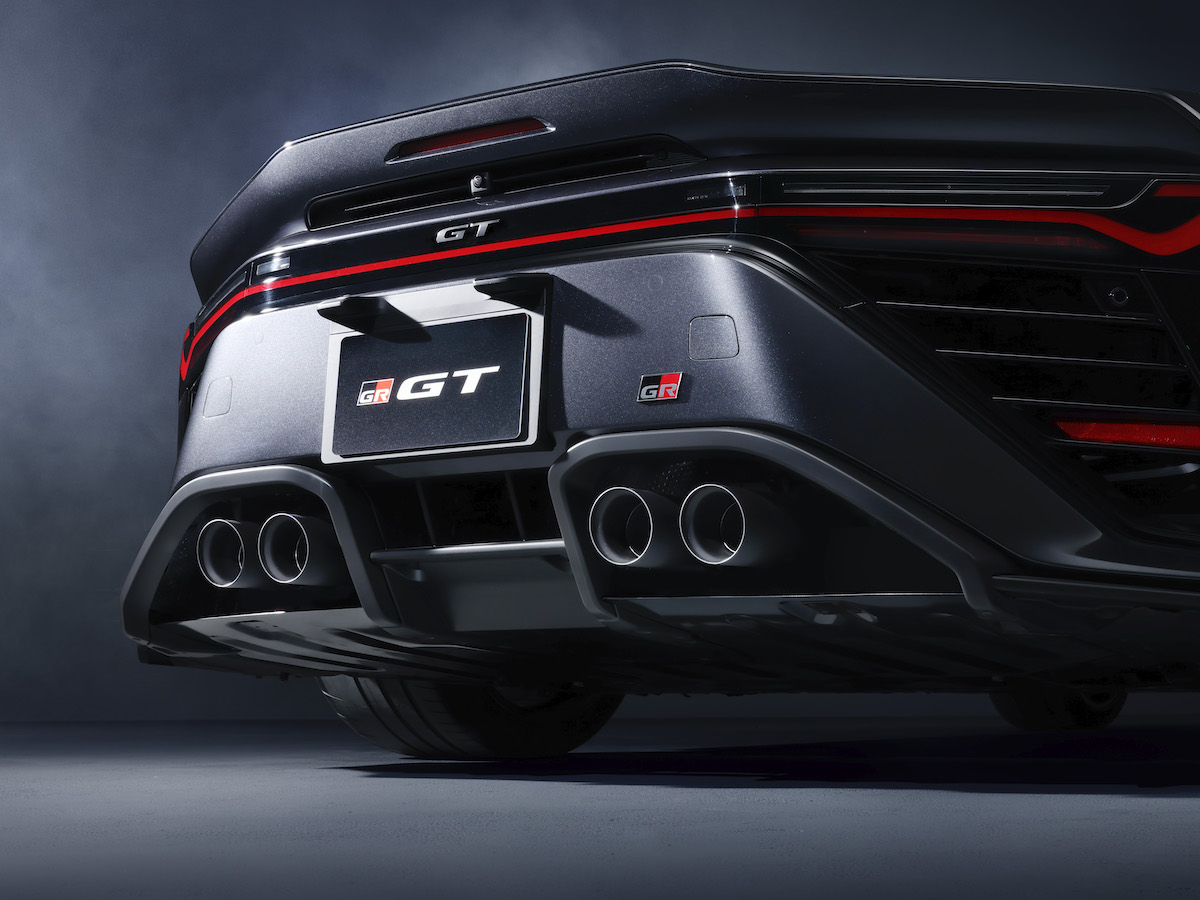
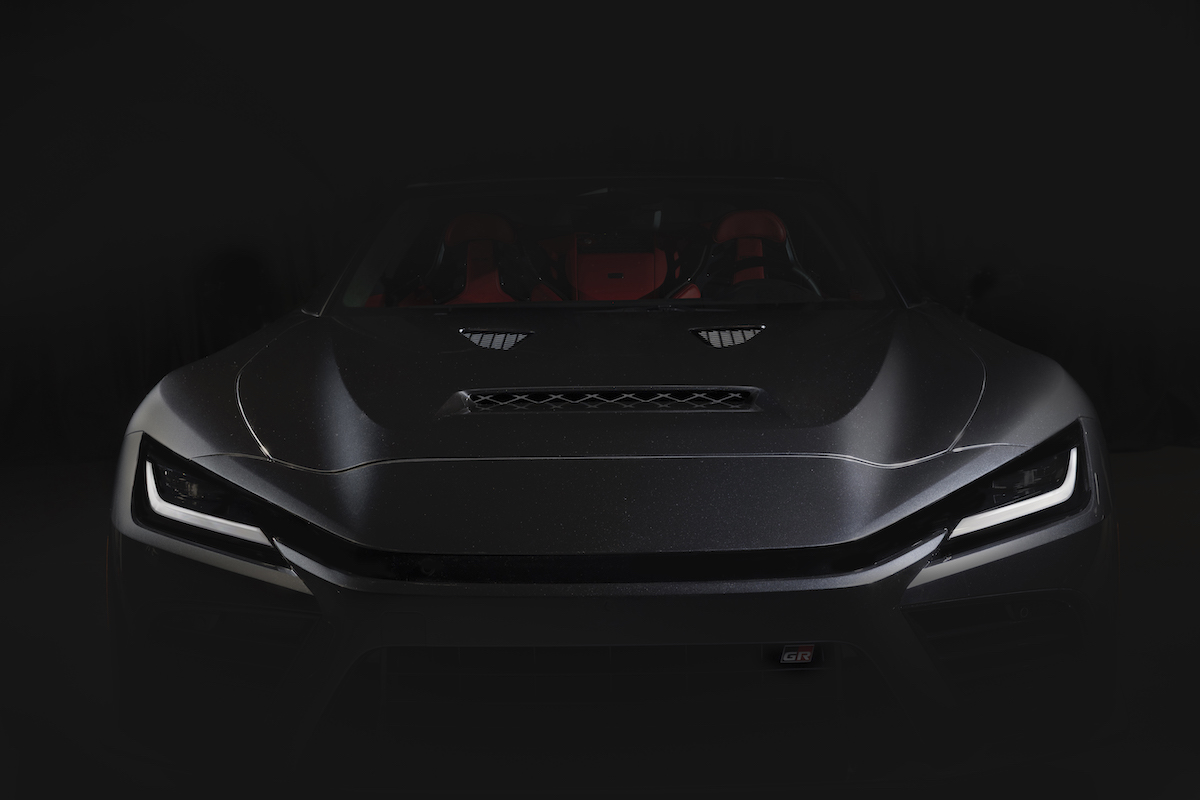
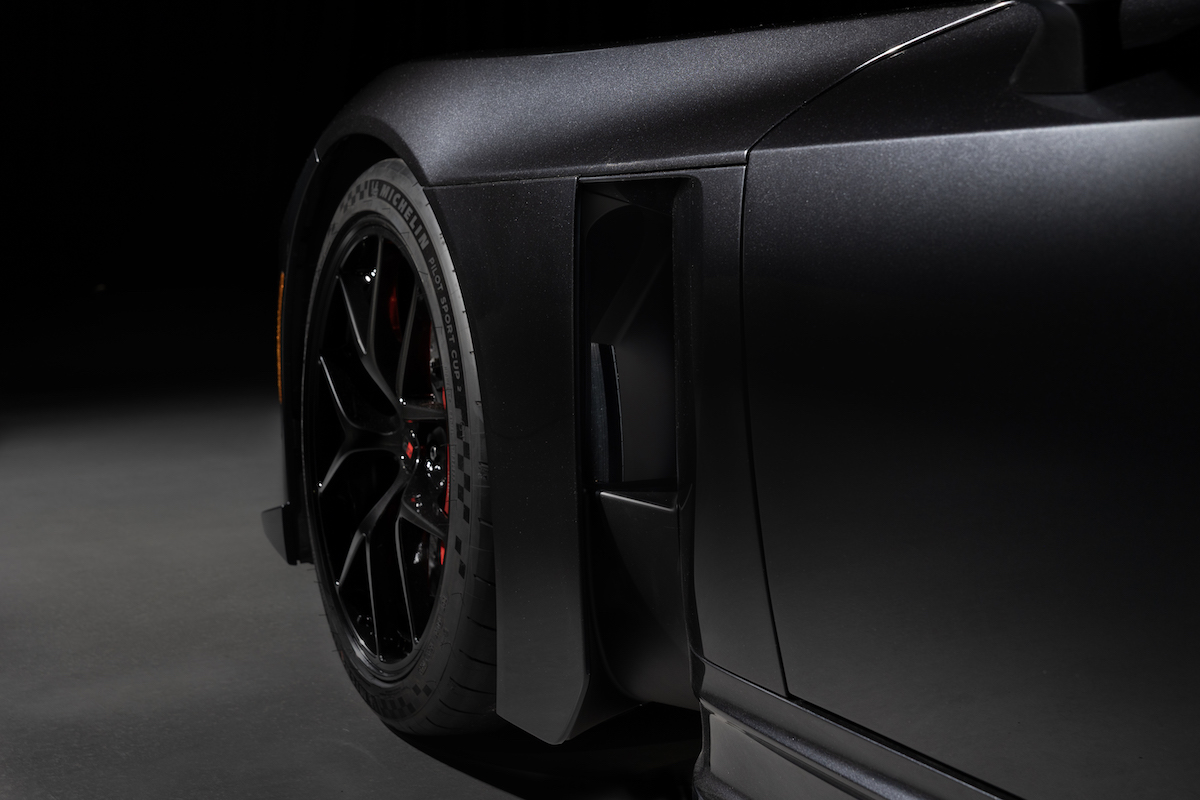
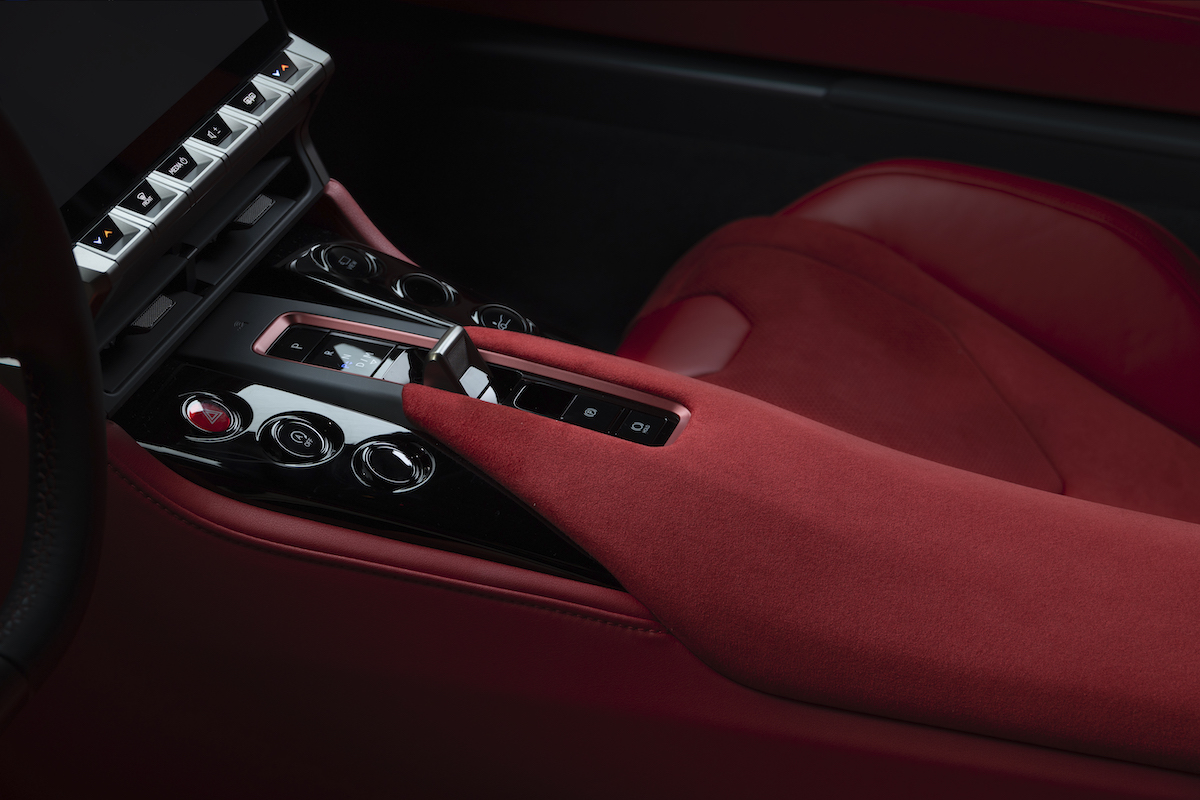
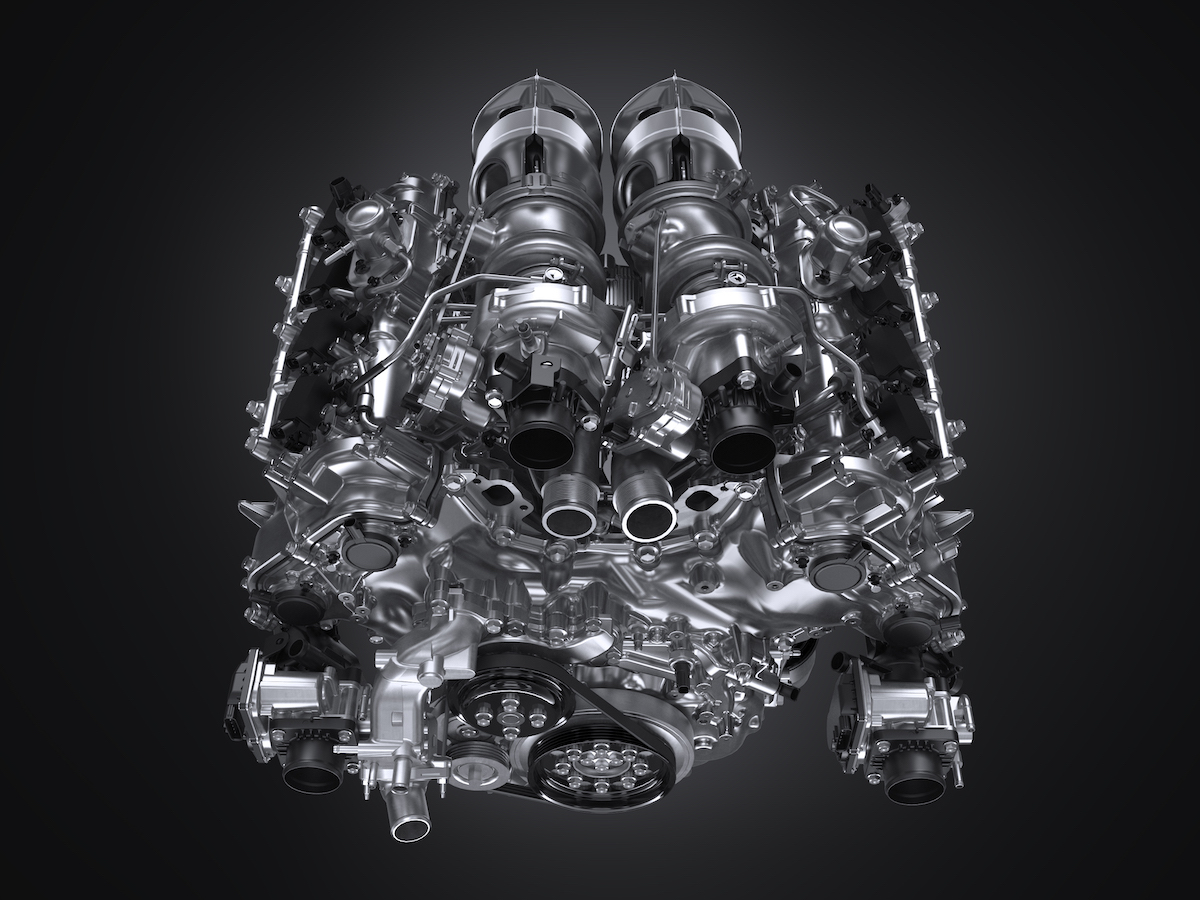
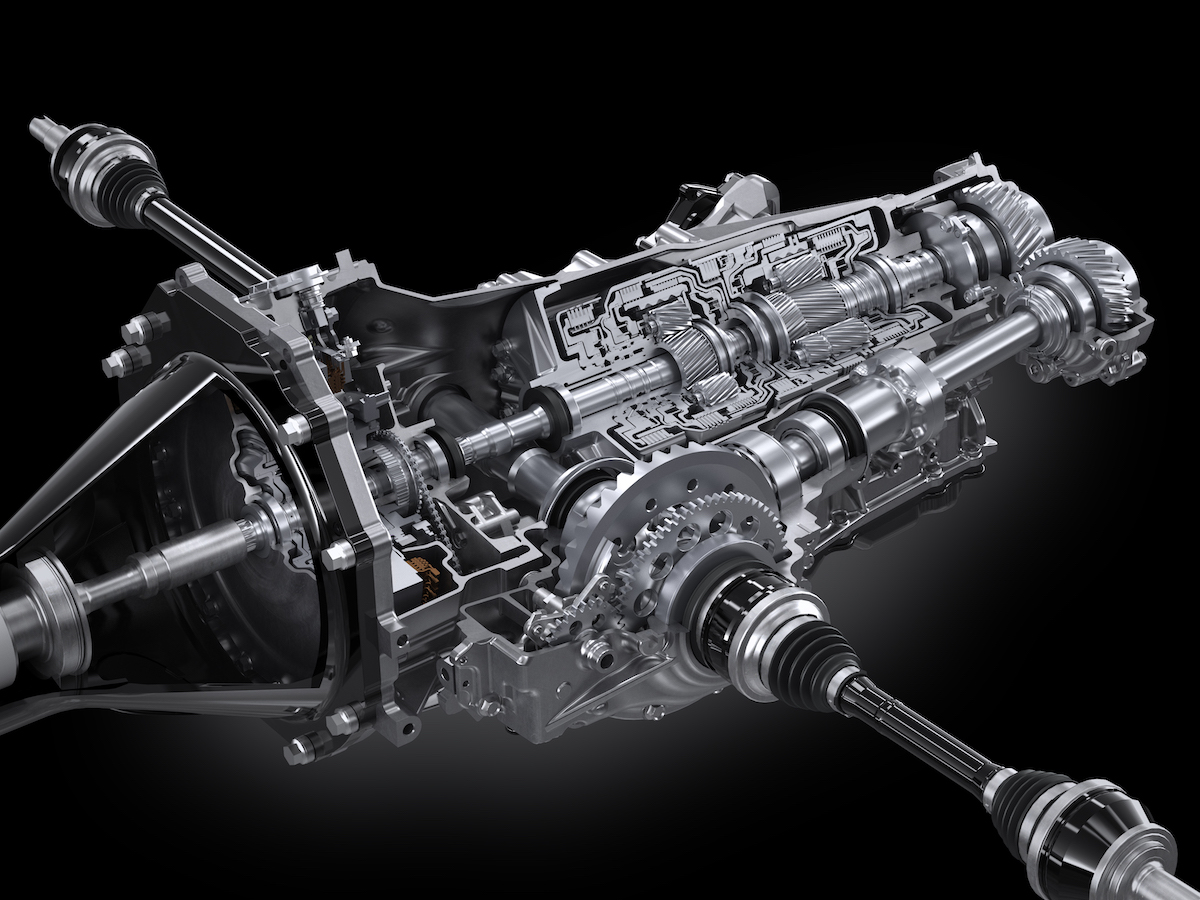
Toyota didn’t supply many details on any car other than the GR GT, so here’s what we know about that. Beneath its long hood lies a 4.0-liter V8 twin-turbo with a dry sump lubrication system. Toyota says it’ll make at least 650 PS (641 horsepower) and at least 627 lf-ft of torque. Power is delivered through a rear-mounted 8-speed transaxle to the rear wheels.


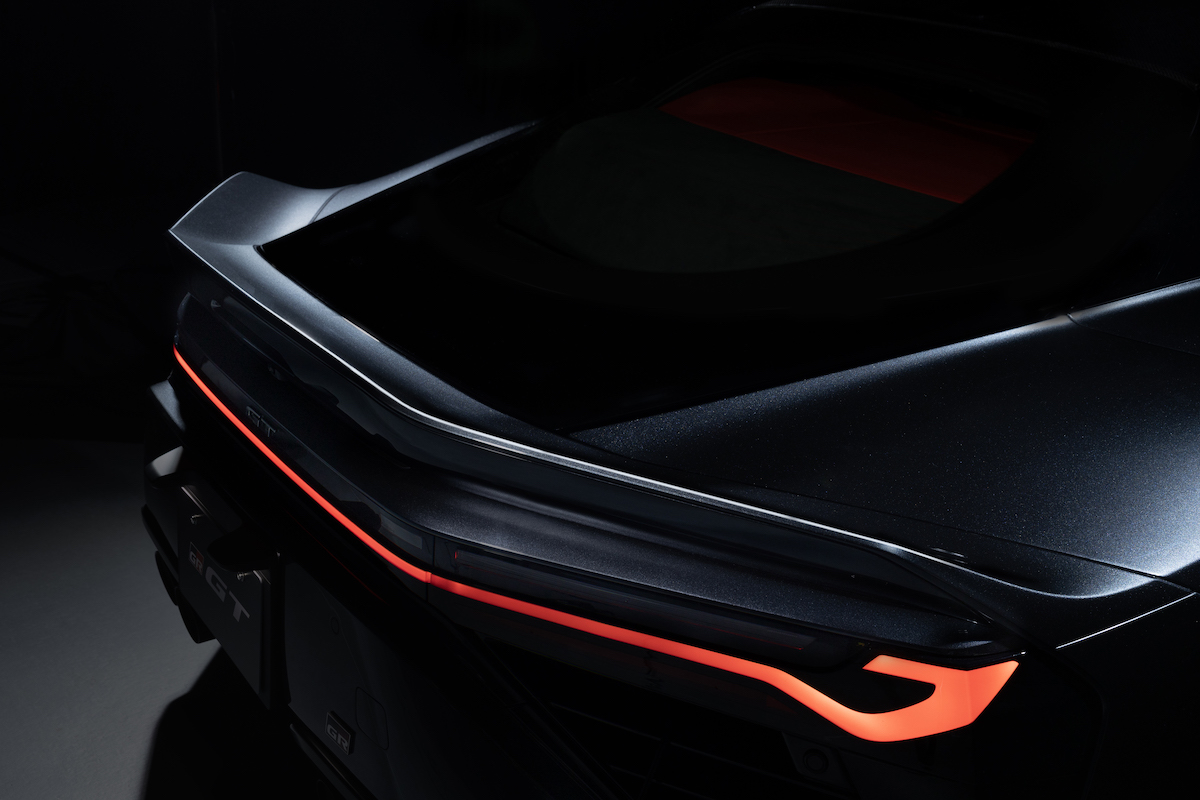
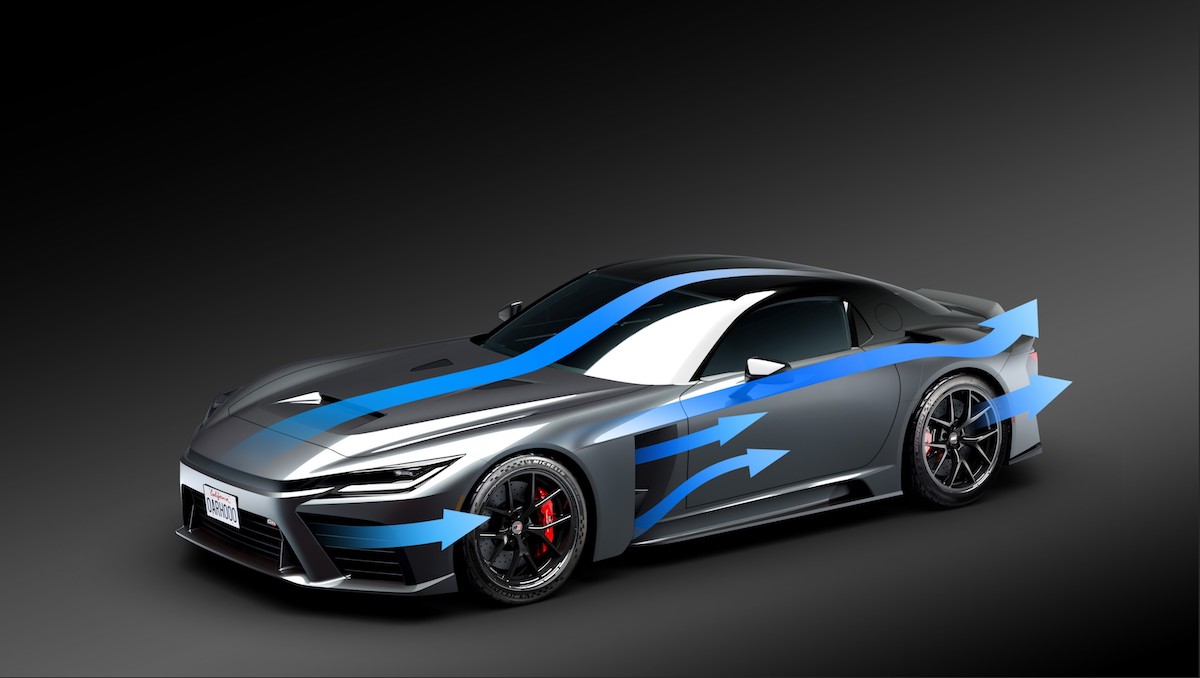
Parts of the body will use carbon fiber, and its profile has been designed to optimize aerodynamics. Typically, designers come up with the general look of the car first and then engineers streamline it. In the case of the GR GT, Toyota says the aerodynamics performance came first and styling considerations followed. The estimated top speed is 320 kph (199 mph) or more.


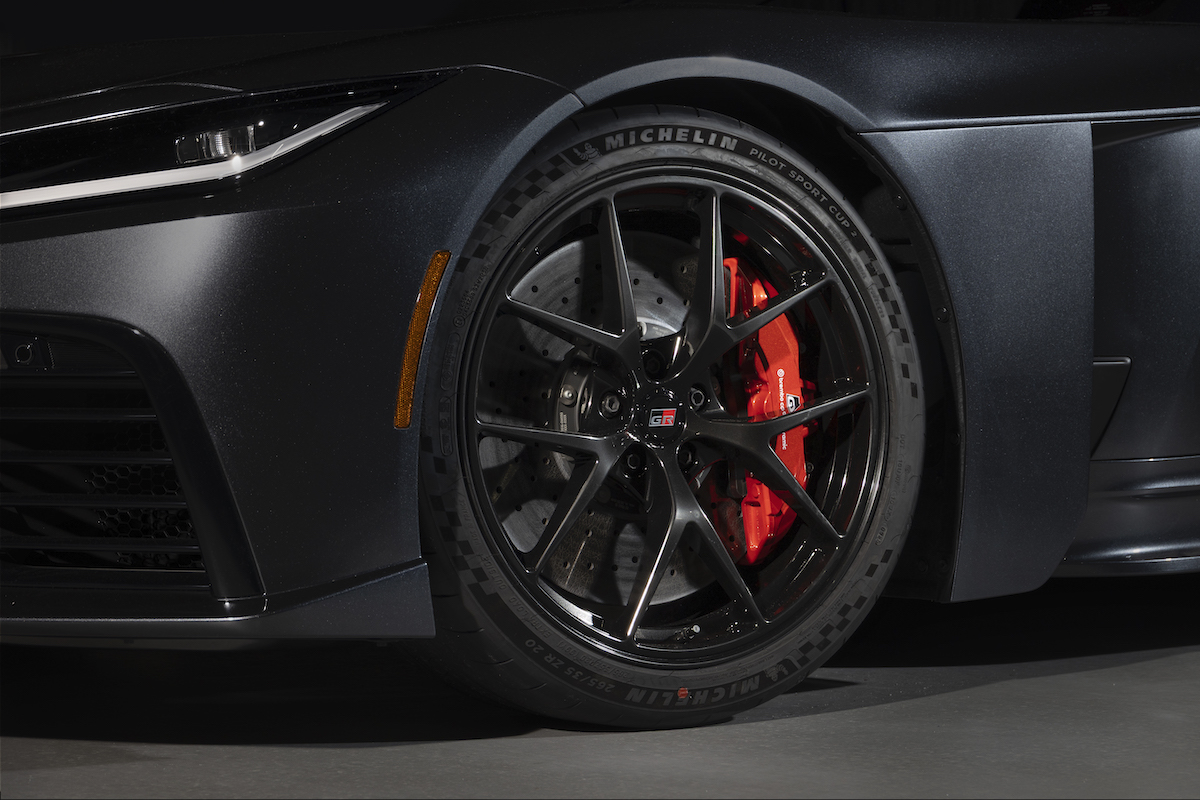
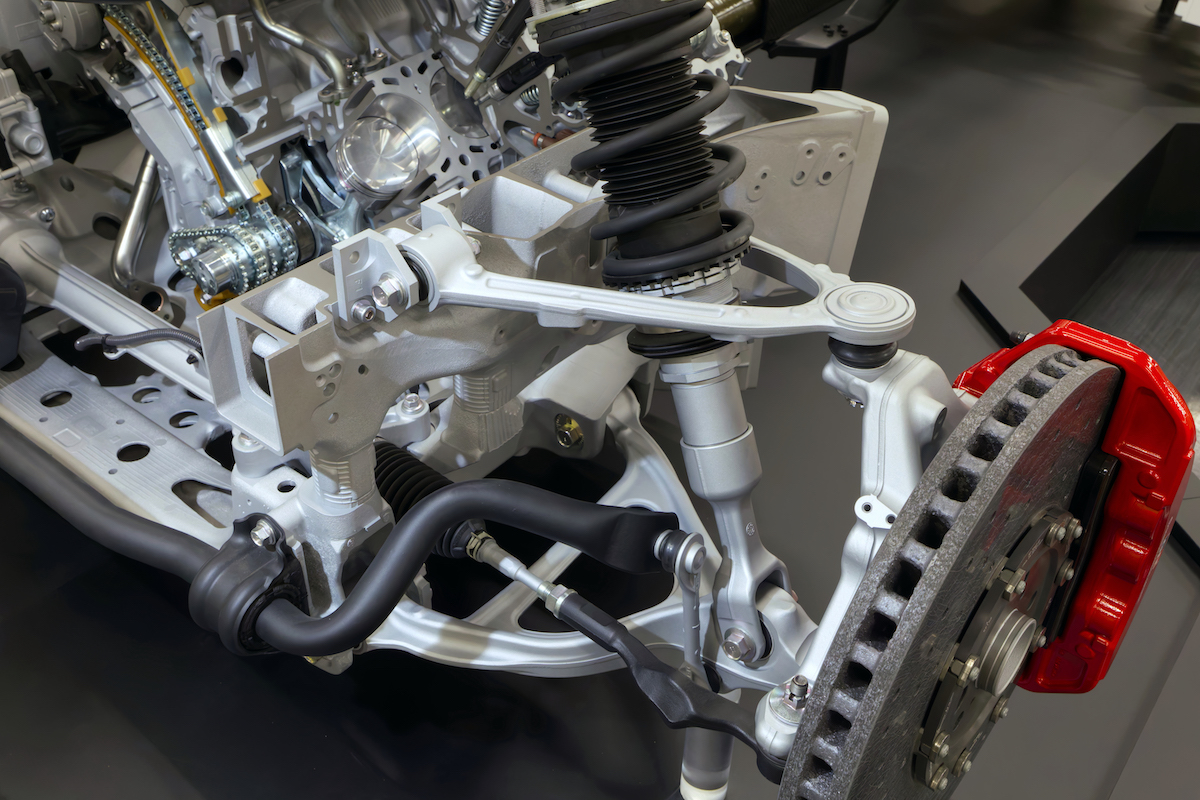
Toyota also maximized a low center of gravity. The GR GT measures only 1195 mm (47 inches) tall, an inch and a half less than a C8 Corvette. Add to that four-wheel double wishbone suspension, 265/35ZR20 tires in front and 325/30ZR20 at the rear, it’s no wonder Humphries says it “shares the DNA of its racing counterpart more than any car we’ve ever made.”
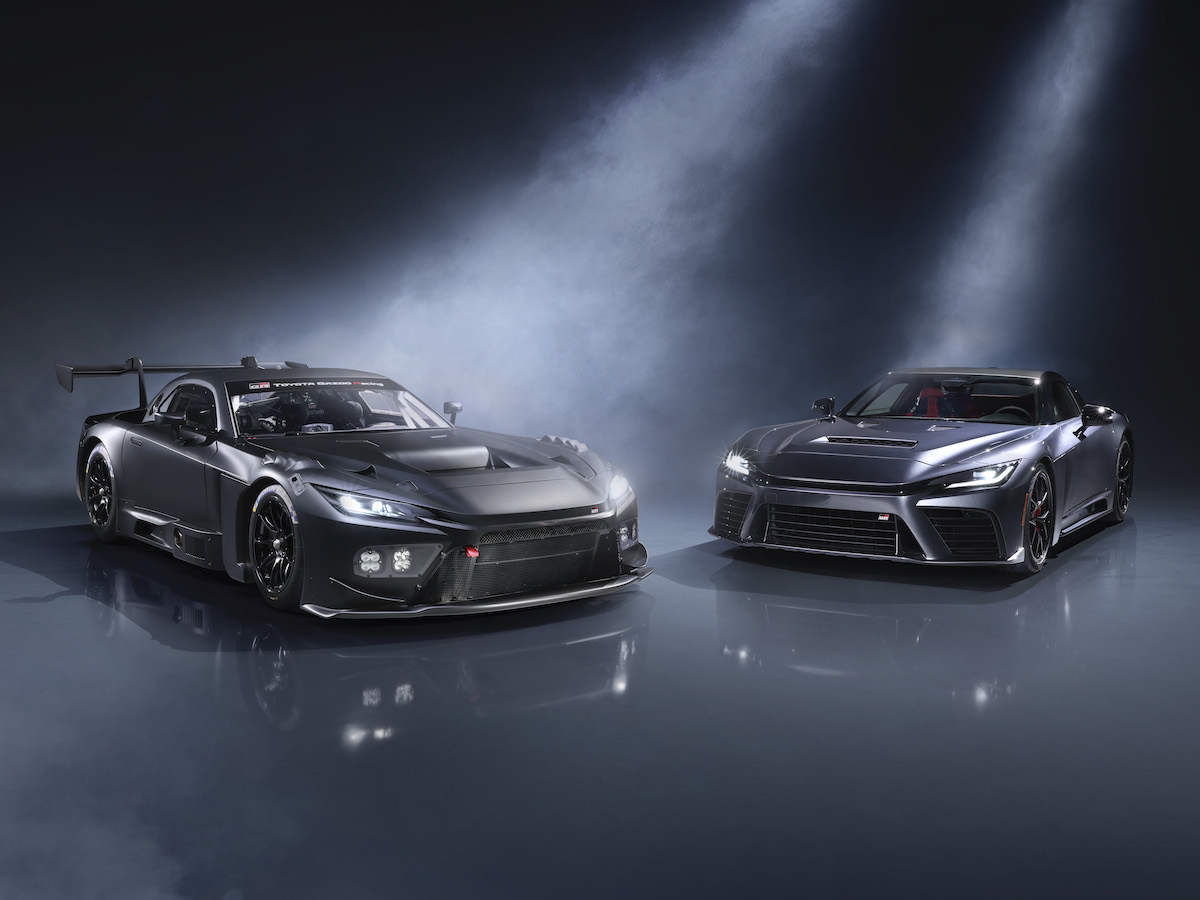
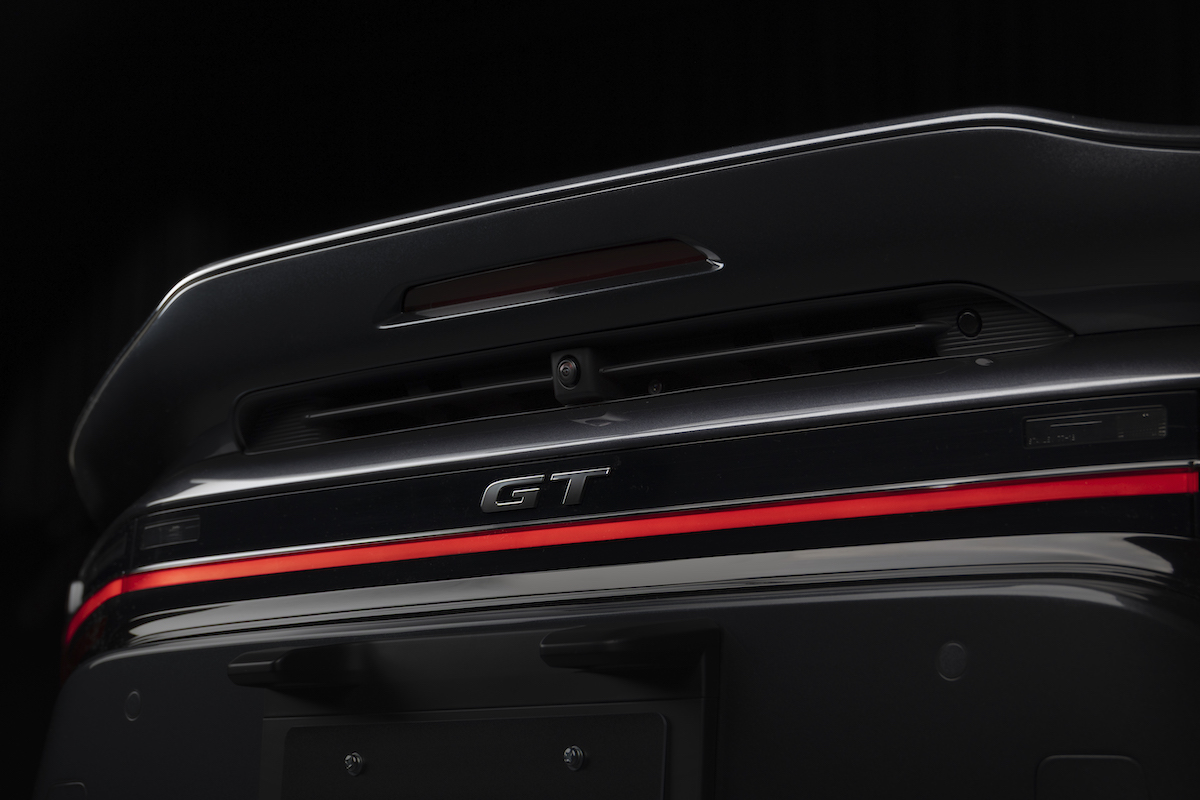
Despite being built with the same underlying platform, the styling of the two cars turned out quite different. The Lexus employs a modern supercar shape, with a fastback greenhouse that tapers to the rear. The GR GT, on the other hand, looks like a traditional FR coupe, with a (very) long hood and short deck, a profile that’s been missing from the supercar realm for a while. Toyota says the GR GT and GR GT3 will launch “around 2027.”


In his speech Akio Toyoda talked about racing:
There were still many, many cars that were faster than us. I could hear people saying, “No way that you guys at Toyota could build a car like this.” I will never forget that feeling of humiliation. And that pain is definitely the force that drives me even now.
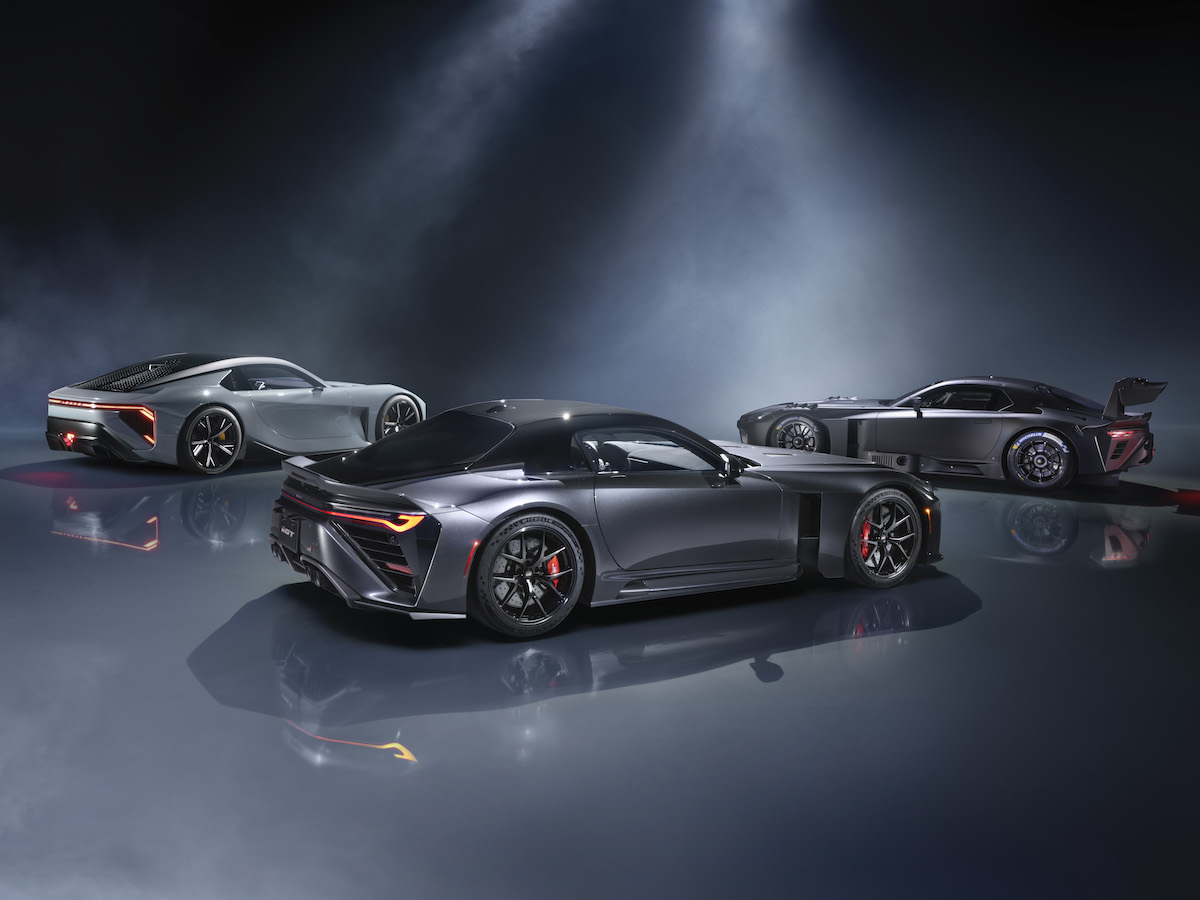
These flagships represent Morizo’s determination to never let Toyota be called boring again. They’re the culmination of a shift in thinking at Toyota. Many of the engineers that worked on them also worked on the original Lexus LFA. In fact, according to Akio Toyoda the lessons he learned from Naruse-san date back to the 2000GT. By creating successor models they were able to pass that knowledge onto the next generation of younger employees.
In Japan, sometimes ancient shrines are completely rebuilt identically using old methods. Called Shikinen Sengu, it not only ensures the shrine does not deteriorate, but that younger generations keep traditions in tact. In a press release, Toyota states:
The GR GT and GR GT3 are positioned as flagship models following the former TOYOTA 2000GT and Lexus LFA, and one of the aims of their development was to pass on the “secret sauce of car-making” to the next generation as part of Toyota’s Shikinen Sengu.
Hopefully this ensures Toyota will remember how to build cars for enthusiasts for many years to come and never return to the beige age again.
Additional Images:
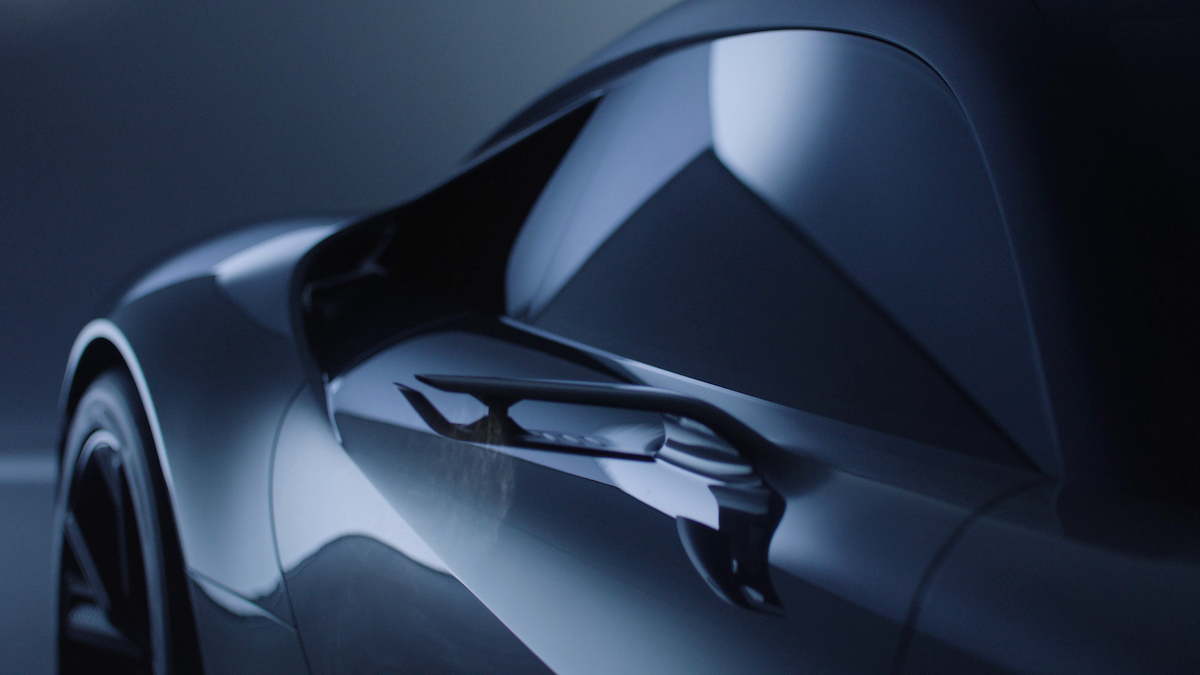
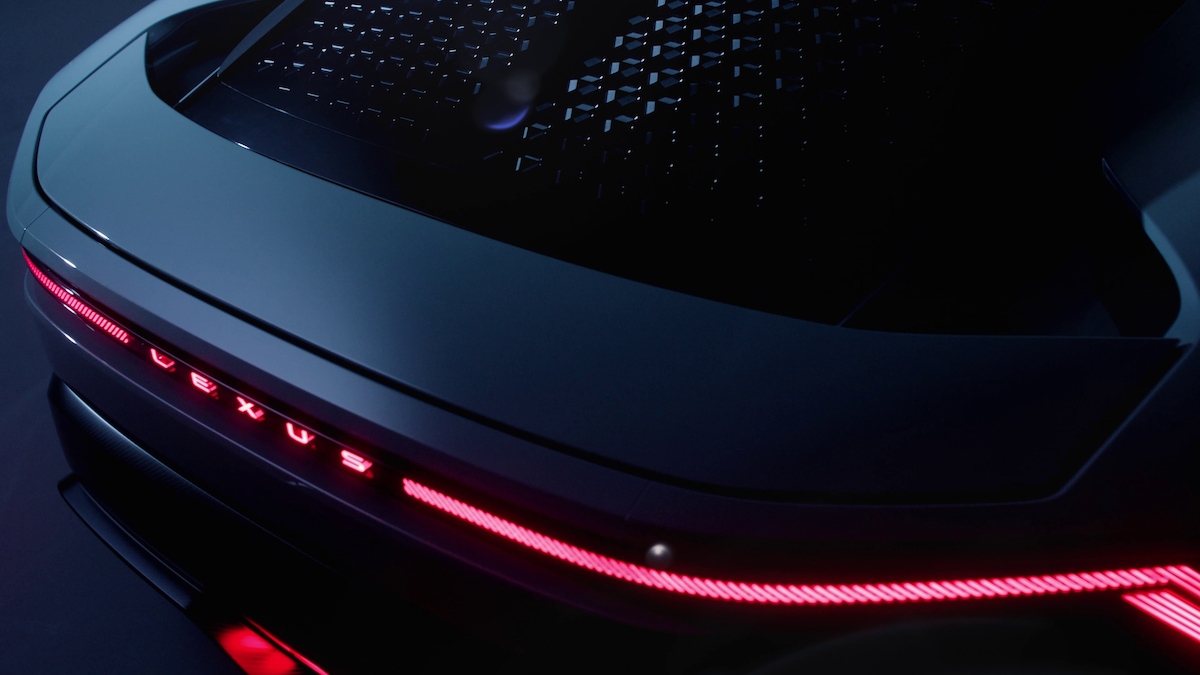
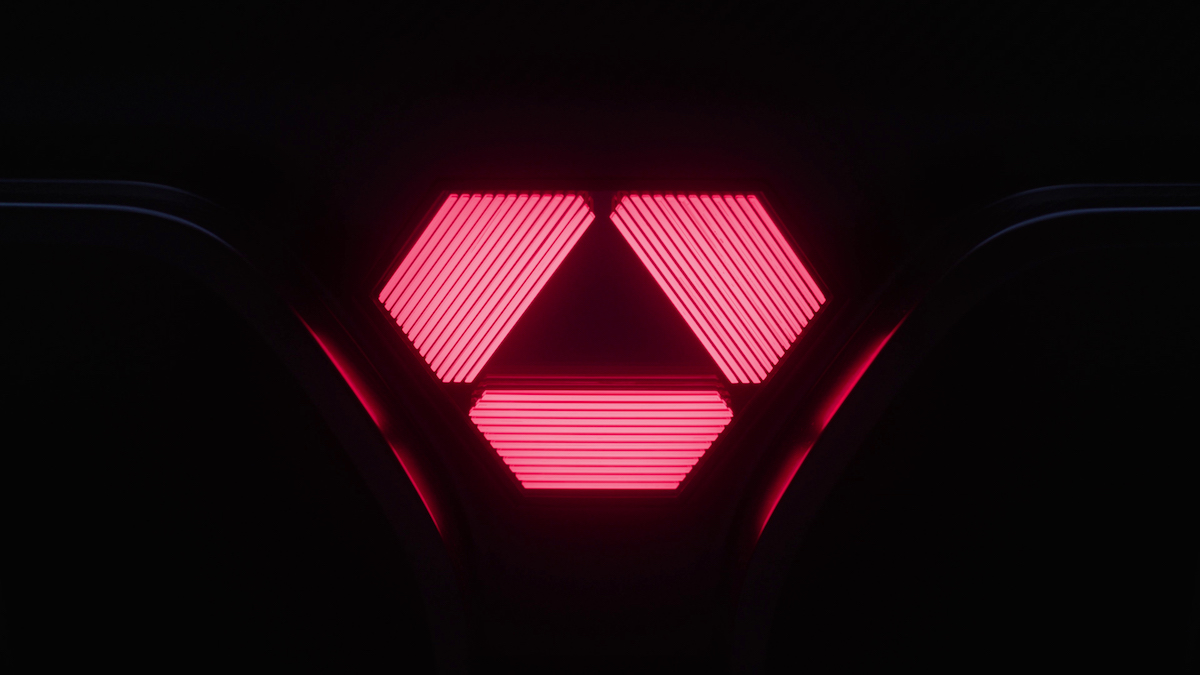
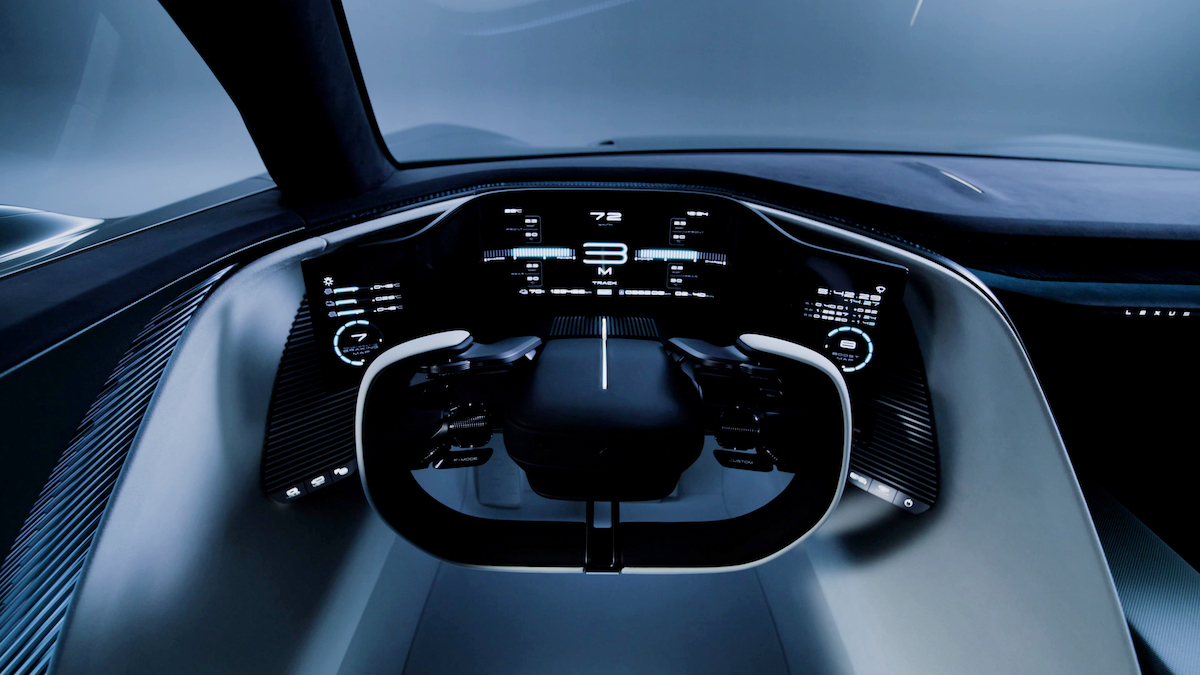
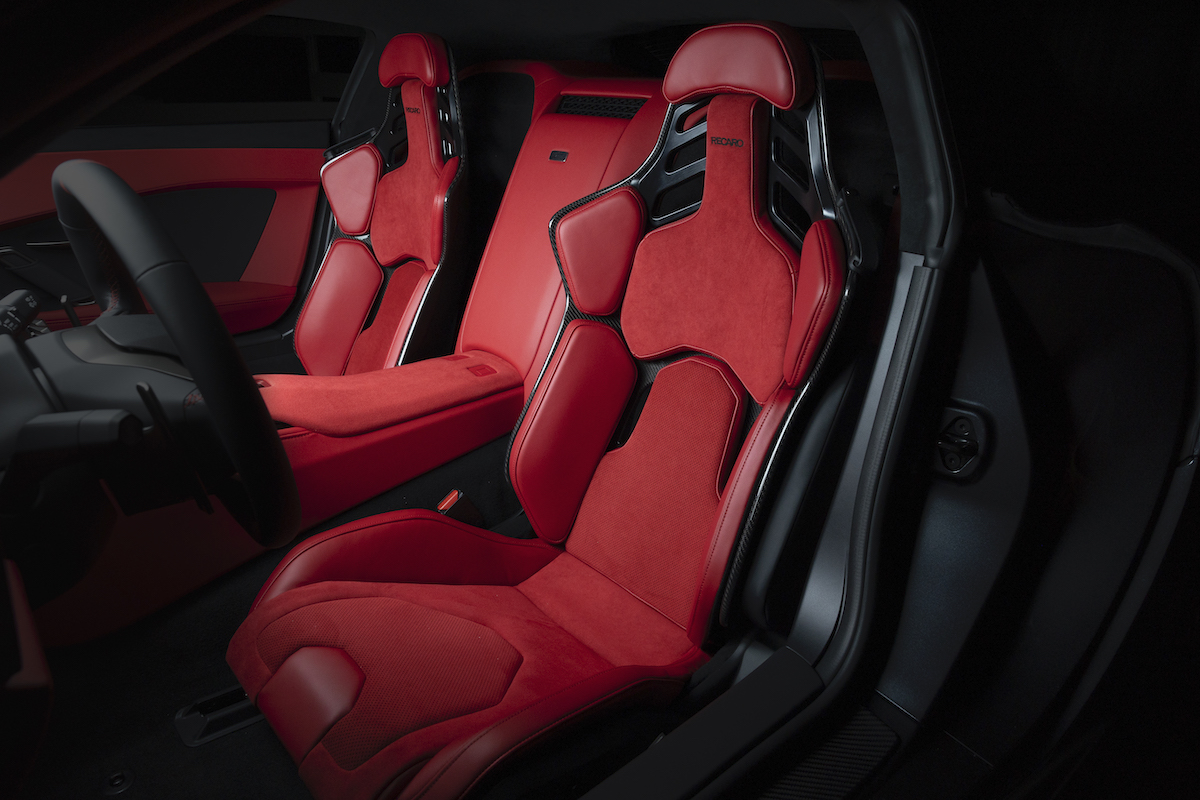
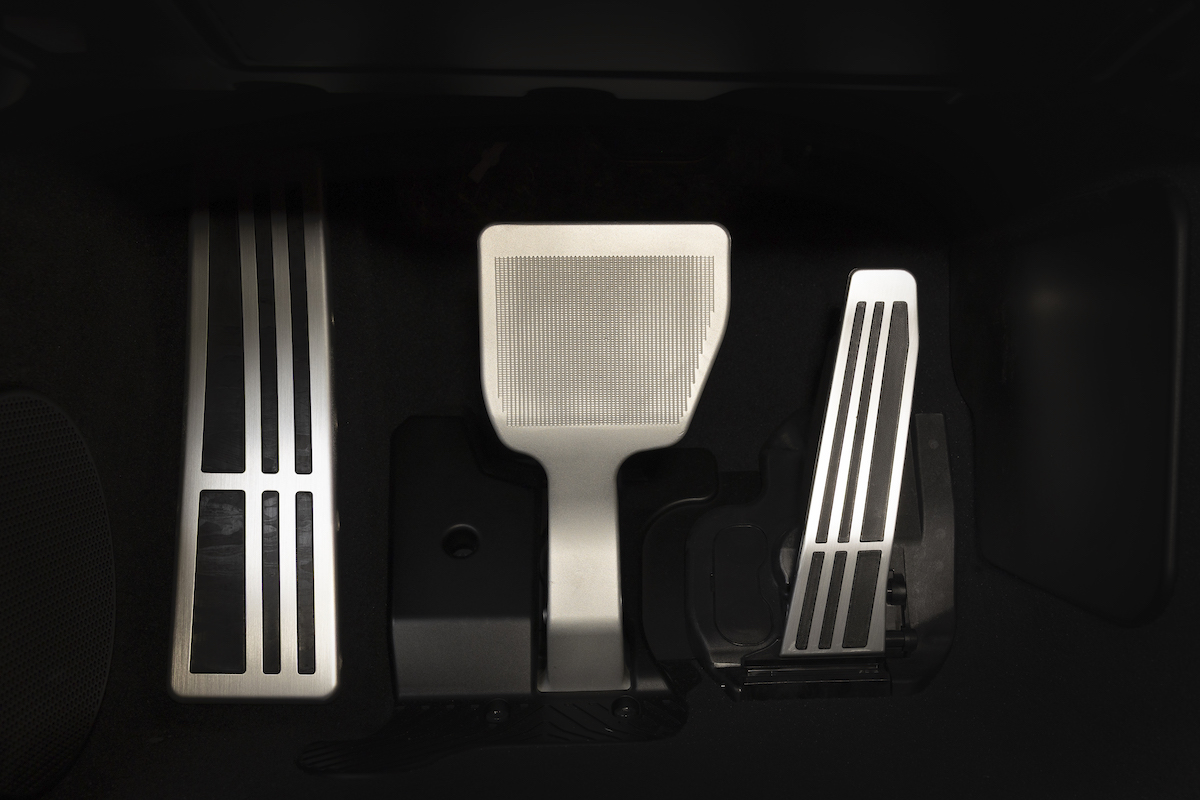
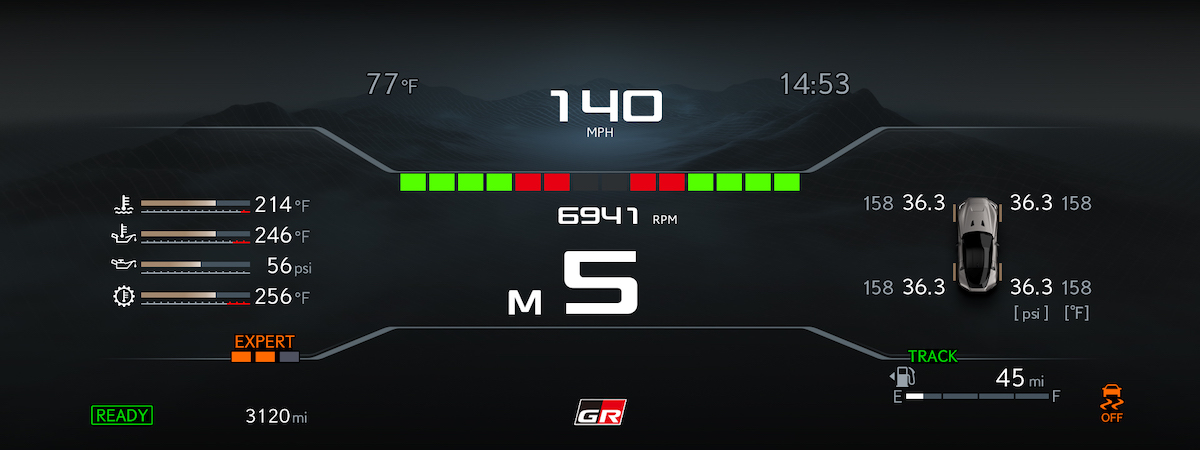
Images courtesy of Toyota.




So we waited all this time for Toyota to make their version of a Mercedes AMG GT? Basically same formula of the original LS400 being an improved version of a 500SEL being applied here.
For sure it will be a vastly improved version of the AMG but definitely lacks identity. If this car came out any other time and not in this JDM hype era, it would be yet another “meh” product.
Kanye is that you?
Akio, the real “悔しさ” was seeing you rock MAGA hat and t-shirt a few weeks ago… Other than that, I would gladly take the Lexus body with the GR underpinnings, even though that new platform is too heavy, too long and too wide for real life situations (read : anywhere that’s not the US or AUS). Nevertheless, I still wish it will sell well, even though the current state of the automotive market is foreshadowing a destiny close to it’s 2 predecessors (who were at least gorgeous).
Yay politics on non-political sites.
I have no love for trump or any other politician, regardless of party allegiance, and even if I did, I’d have the sense and courtesy to save my opinions for more appropriate platforms.
I see no problem with the comment. Politics is a part of the automotive world like it is with everything else.
although I wish Akio Toyoda didn’t have to stoop to such base bootlcking, it works on Trump and ( sadly) everyone else is doing it.
The Swiss delegation literally turned up with a gold bar for him
I’d imagine this program isn’t guaranteed to see market as a lot can go wrong in the world economy between now and the scheduled 2027 release date. Any chance of tariff relief for Japanese manufacturers is worth taking, even unseemly grovelling
I’d be more excited if Lexus announced it was bringing back the original IS300 unchanged from 2004.
The Lexus in particular is beautiful – graceful in a way that’s almost extinct with modern cars, and I love that the profile clearly conjures the 2000GT. It’s just a darn shame that it’s electric. Best of all worlds would be an ICE-only/three-pedal setup in the Lexus shape.
Toyota is being very smart here. One car is a representation of peak ICE powered vehicles, while the other is a statement of the future of performance. I think a good comparison would be the advent of the jet engine after WWII which quickly outshone the piston engines in power and speed.
That’s one very long vehicle. I guess that’s what supercars are these days.
I think they will be able to sell some of those. If the GR GT3 can win on Sunday they will sell even more on Monday.
I’m sure that these cars will be technically “fine”, maybe even “phenomenal” in many aspects, but they don’t do anything for me. They stir no emotion, and I have no desire to experience – let alone own – one. They seem to be targeting cars that sit at the apex of specific design criteria, but just because it’s a record breaking car doesn’t mean it will put a smile on the owner’s face. I hope Toyota doesn’t forget who made them who they are… the everyman, and make some simple, fun cars for them too.