

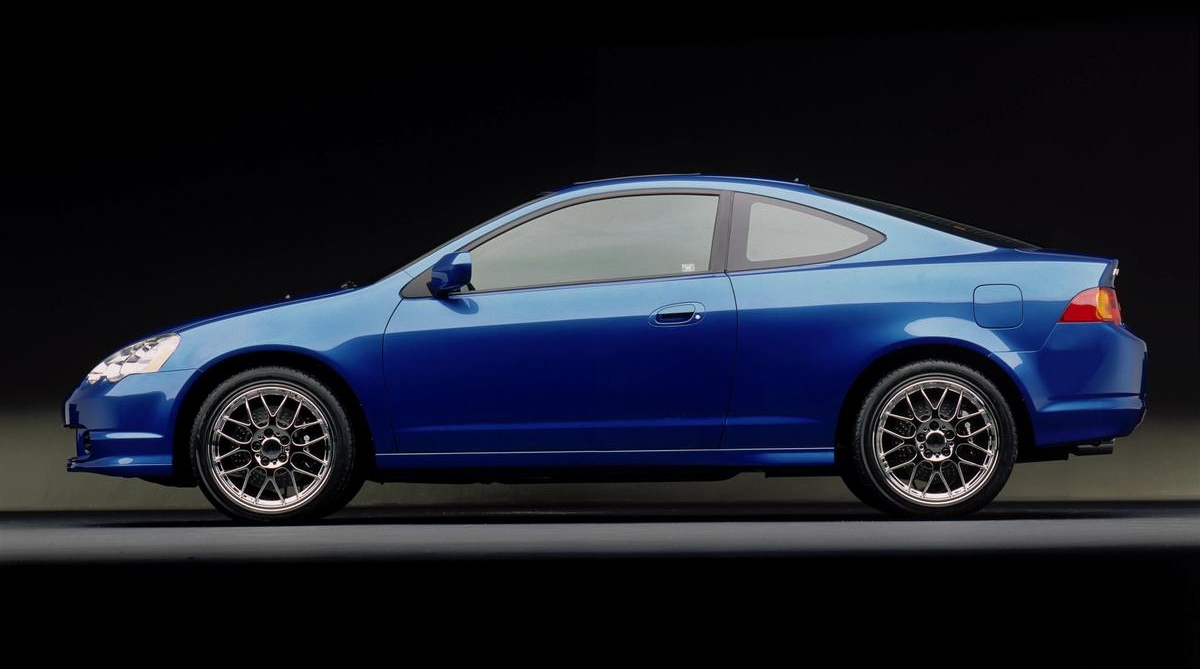
The Acura RSX will live on in our memories as the swan song of a golden age in front-wheel-drive sport compacts. Acura will no longer be using the name on an upcoming electric SUV as was previously announced. Unfortunately, that reprieve comes at a tremendous cost.
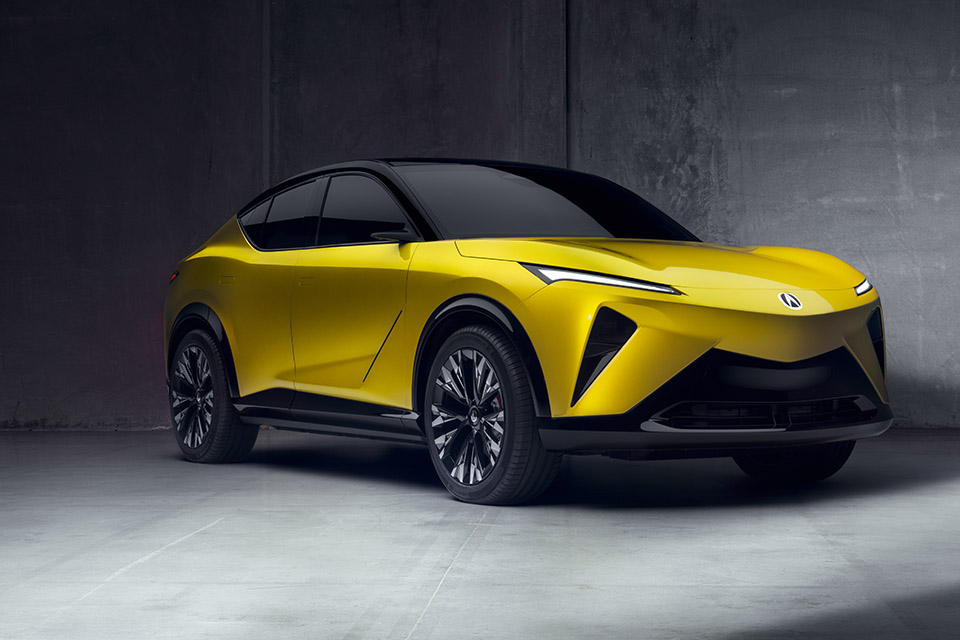
Announced last summer, the RSX name was supposed to come back as a high-riding four-door crossover, much to the disappointment of Honda heads everywhere. Not only was it electric, it embodied a design that can only be described as Kermit the Frog scrunch face.
Well, in an announcement last week, Honda said it would cancel the RSX plus two other electric models in an unprecedented ¥2.5 trillion ($15.7 billion USD) loss. The devastating write-down will be Honda’s first annual loss in the almost 70 years it has been a publicly traded company.
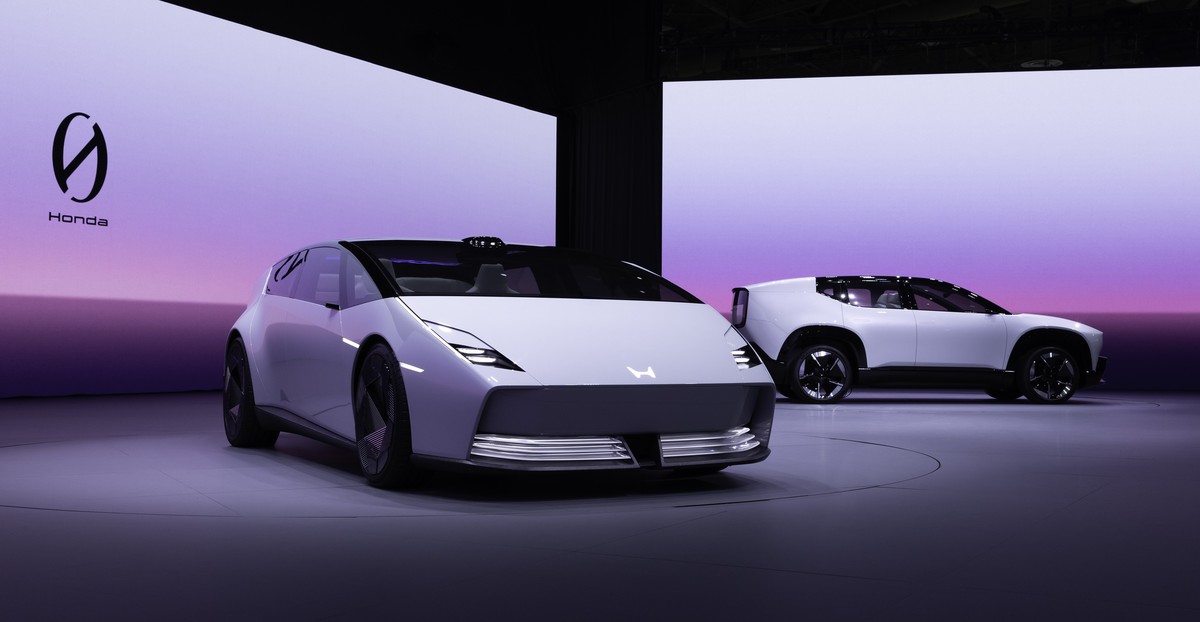
It was about a year ago that Honda made a huge to-do over the 0 series sedan and SUV, two electric concepts that it claimed would usher in a new age for the company. The 0 sedan looked like a truly futuristic concept wedge and the 0 SUV had a distinct sci-fi appearance that stood out from the common traffic crossovers we see today. Love electrics or hate them, at least these would’ve been impactful to see in the real world.
By naming the prototypes the 0 Series, Honda was signaling that the cars would mark a paradigm shift. In Japan, the number zero is often invoked as a shorthand for the complete reimagining or reset of a product. Think Ultraman Zero, which writer Yuji Kobayashi chose to represent a “restart of Ultraman’s story from scratch,” or the S180 Crown, nicknamed the “Zero Crown” because Toyota wanted to revamp the model’s image from that of an understated, conservative saloon to that of a dynamic sports sedan by creating an all-new chassis and engine from the ground up.
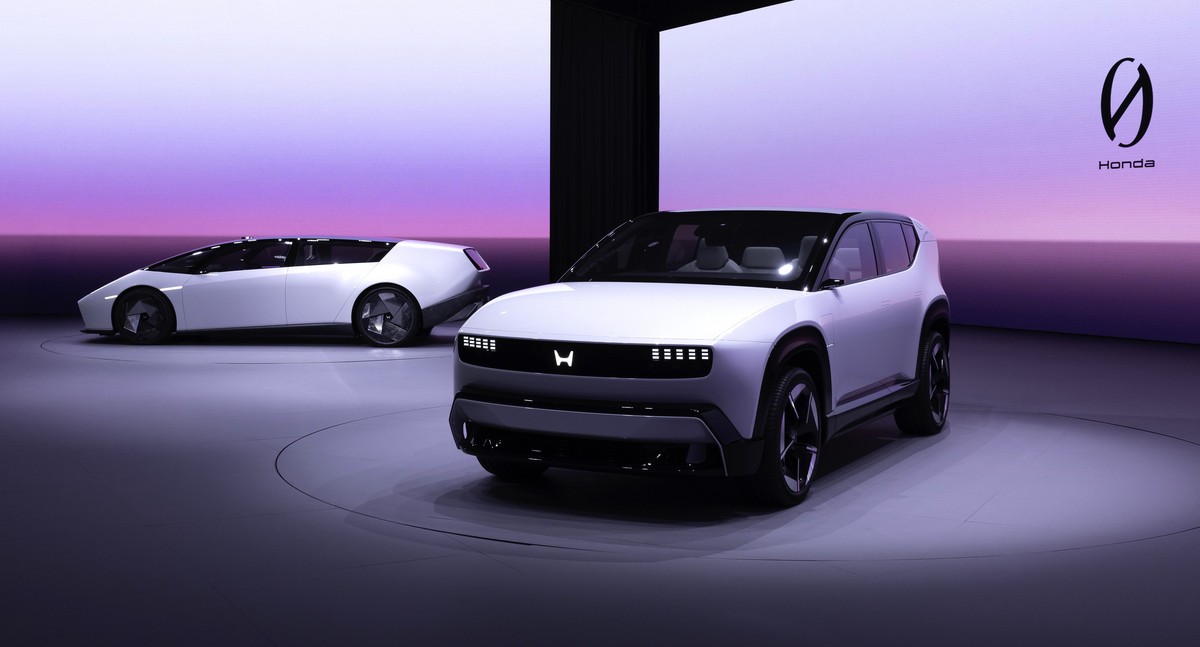
Honda intended the 0 Series to be a clean-sheet line in the sand that would demarcate a new beginning. Instead, it’s swallowing the biggest loss in the company’s history, discarding years of research and man-hours. Honda says the write-off is due to tariffs, the ping-ponging of electric vehicle mandates from the US government, and the need to increase competitiveness in Asia.
Honda says it will now shift to more hybrid development. It will still work on EVs, but the development timeline will be stretched out much longer. It’s not clear when the decision to axe the EVs was made, but with oil prices rising due to conflicts in the Middle East, it could have been a good time to release some cars not dependent on gasoline. When merger talks between Honda an Nissan fell apart, Honda believed that it had the upper hand and chastised Nissan for seeking equal partnership. Perhaps this turn of events will bring Honda back to the negotiating table.
Images: Honda




I’ll bite my tongue and keep my political thoughts to myself, but I’m curious to how this affects the Sony/Honda EV partnership (Afeela?) going forward? Is that still on schedule or was that scrapped as well?
Afeela was reportedly caught by surprise when the announcement was made.
Nissan in trouble, I can understand. But Honda posting losses that make 2008 Lehman Brothers look tiny should be a dire warning to the whole auto industry. The Prelude hybrid coupe could not have come at a worse time.
Gotta say, I have major fears about the future survival of Honda.
I get why this choice was made. Honda’s uniquely exposed as a Japanese firm with most of its business coming from the US market, so it is especially vulnerable to Trump’s trade insanity. But killing all of that work when it could have allowed the company to get a major foothold into the EU and Asia when the writing is clearly on the wall that the EV transition is happening, even if slower than the rosiest earlier predictions.
I am not sure where Honda goes if it is on a continuous path of becoming less competitive in the most dynamic markets, while relying on making money in a technological backwater. It’s not a path that leads to Honda remaining a major independent company, nor one that has products consumers will want.
Good points. The current CEO seems to making one bad decision after another.
Are the last few articles cut off short? I’m not seeing a “Continue Reading” link and each seems to be missing ‘advertised’ information. Very strange!