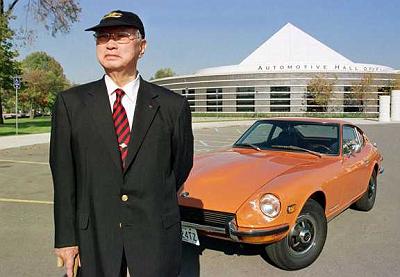
 Last week, both the east and west coasts chimed in with their takes on vintage Japanese cars and their increasing value as classics. Some of our readers expressed dismay at the inevitable price hike that would come with more exposure to our community. To help us out, the Chicago Tribune published their take on the scene today.
Seemingly devoid of any in-depth research (no mention of last week’s JCCS at all), the article says Japanese cars are overlooked by the collector car market, but then in the very next paragraph says, “Most 1950s and 1960s Japanese autos will never be collectibles because they were resolutely ordinary, “disposable” economy models.” Hmm, where have we heard that before? Chevys? Fords? Every muscle car that ever existed?
It then goes on to proclaim “The following Japanese autos are collectible,” a 13-car list that includes the Subaru SVX, Isuzu Impulse and 1992 Mitsubishi Galant VR-4. Now, we’re not saying that a those cars aren’t worthy – surely they are – but if you’re putting together a list of the 13 top J-classics of all time and opening up the field to a 1999 end-date, surely you can think of better examples than that. We might even have to come up with our own list sometime. Oh well, at least while Midwesterners snap up the 1999 Mazda Miata we’ll have a little more time to amass our collections of true classics.


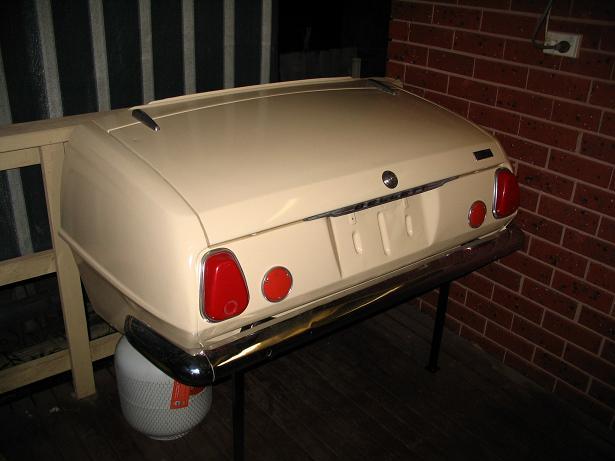
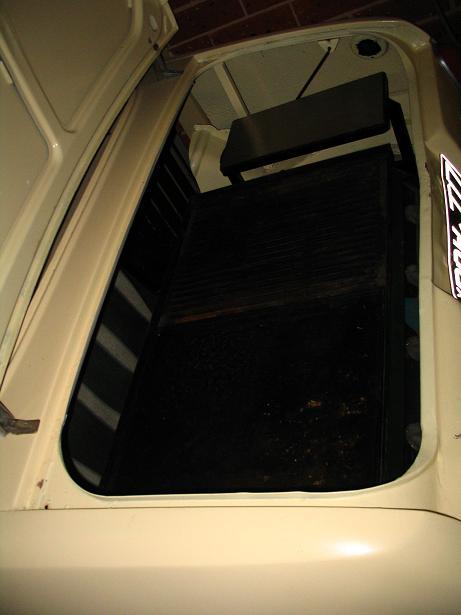 What a way to close out the week. If your Sabbath includes some nice outdoor grilling, check this out. Our forum member Brett, who goes by the handle 1600GT, has created the coolest, if not the only, Isuzu Bellet-based


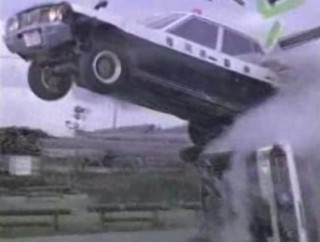
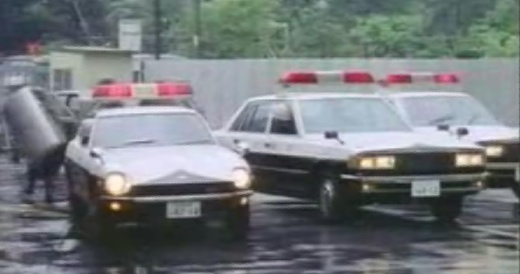 Remember how in the entire series of CHiPs, Ponch and John never once drew their guns, or how cameras in the A-Team always lingered long enough to show the baddies climbing out after a seemingly fatal wreck? Not so in Seibu Keisatsu. The Criminal Investigation Division of Tokyo’s Western wards deals plenty of death here, in both bullet and explosion form. The show has all the archetypes — the ice-cool leader, the gruff chief, the strong but kind-hearted giant, the motorcycle-riding rebel — all of whom smoke a cigarette in every other scene, wear tight pants that flare at the ankle, and sport sideburns the size of a yardstick. You really can’t get much cooler than that. Best of all, interspersed amongst all the perp-chasing, there are city scenes of Tokyo from when the cars we love were still new.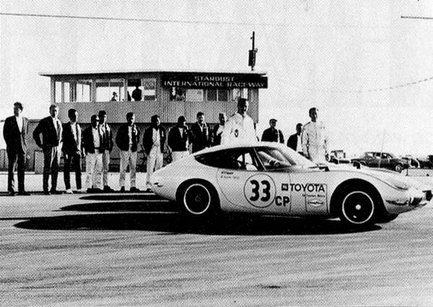


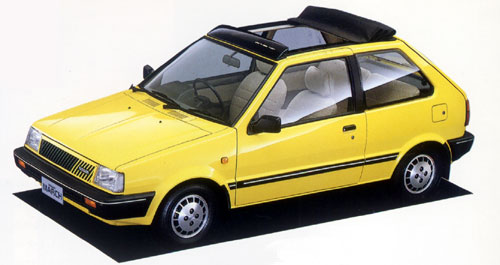
 The next generation, the K11, also stayed on the market for a decade, and had the honor of winning simultaneously the Japanese Car of the Year and European Car of the Year awards in its debut year, 1992. Another one-make race series and ever more limited editions, like the black and red-paneled Juke and tartan-upholstered Polka, followed.
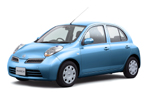 To celebrate the remarkable achievement of spanning a quarter century with just two redesigns, the March is doing what it does best – another limited edition, bright colors, and putting it to a vote. The 25th anniversary March will be available only through the internet, with 500 painted in each of three colors split evenly among two trim levels, one of which is AWD. The hues, voted on by customers, are revived colors from Marches past: Chocolat, Paprika Orange, and the winner, Aqua Blue.