

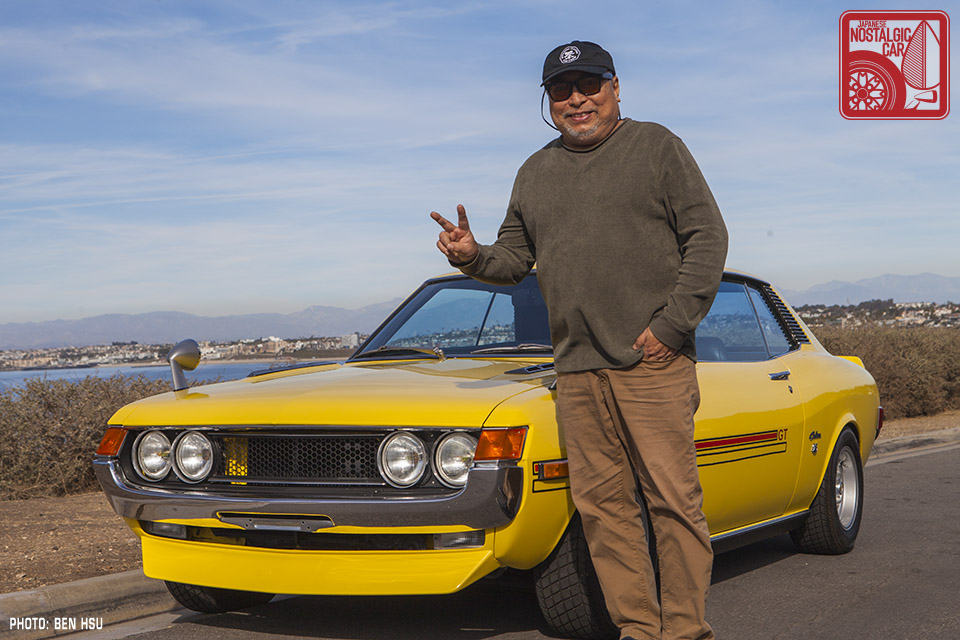
It is with great sadness that we inform you that our friend Joji Luz has passed away. For those that knew him, you probably remember his ever-joyous face and warm greetings whenever he greeted a fellow car enthusiast. Joji was a trailblazer in the classic Toyota community, preserving vintage Toyotas as works of art long before it became fashionable. He was a driving force behind making Toyotafest what it is today, and owner of the oldest Toyota Celica known to exist, his beloved serial number RA20-000005.
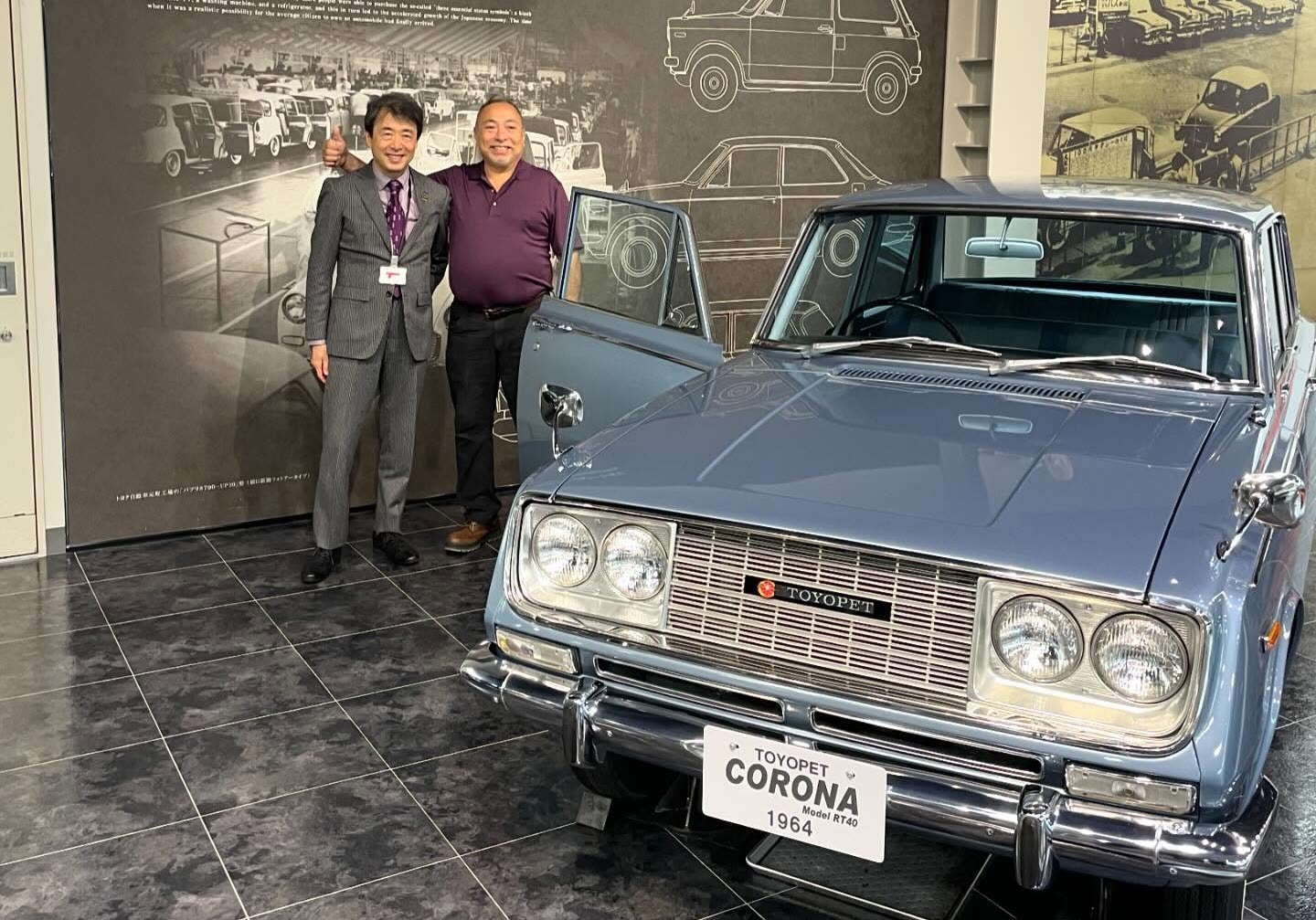
Joji hailed from the Philippines, where Toyotas make up almost 50 percent of the market share and have held a dominant position in sales since the 1970s. If you’ve ever wondered why so many of the beautiful Toyotas at classic car shows are owned by those of Filipino descent, Joji’s family had a lot to do with it.
Along with the Silverio family, which imported, locally assembled and raced Toyotas, the Luz family’s taxi business pioneered the use of Toyotas in major cities. Their fleet of T40 Coronas were a common sight in Manila in the 60s and 70s, and proved instrumental in the transition from large Ford and Chevy vehicles to smaller and more fuel-efficient Japanese cars.
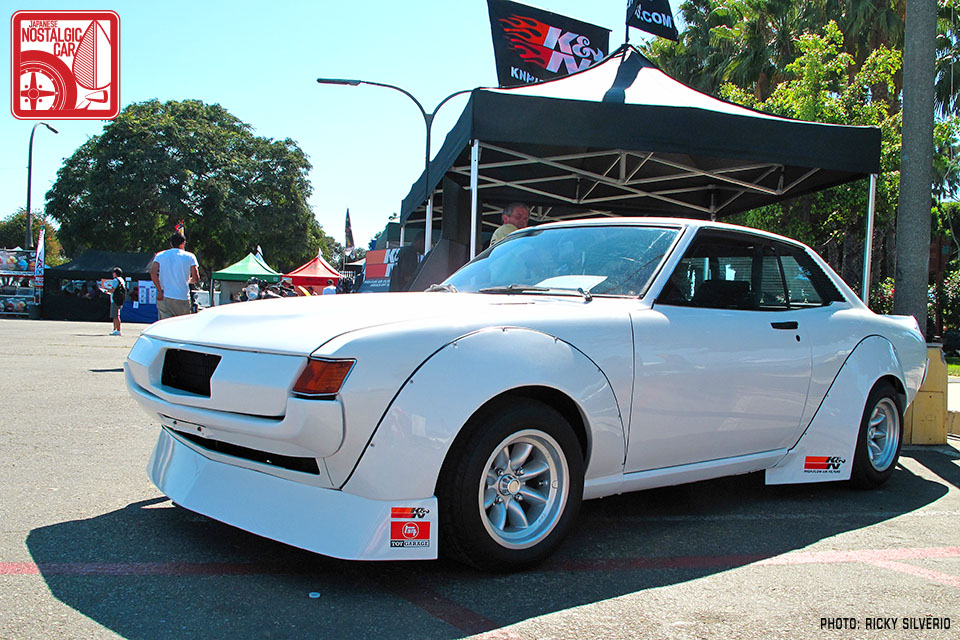
Joji and his brothers grew up steeped in the car culture that sprang up from this backdrop. They lived the tuning traditions that we still see in 1970s Toyotas today with A20 Celicas, TE27s, Starlets, and more, decades before that style hit the American mainstream. When Joji and his brother Joel emigrated to America they brought that know-how with them.
At the time, Toyota parts developed by its racing division weren’t sold in the US due to emissions issues and a perceived lack of interest. The parts were initially sold in Japan under the TOSCO name, then rebranded as Toyota Racing Development in 1976. However, Toyota did expand performance parts sales to Asian countries, with the Philippines being a natural market due to its aforementioned appreciation of Toyotas.
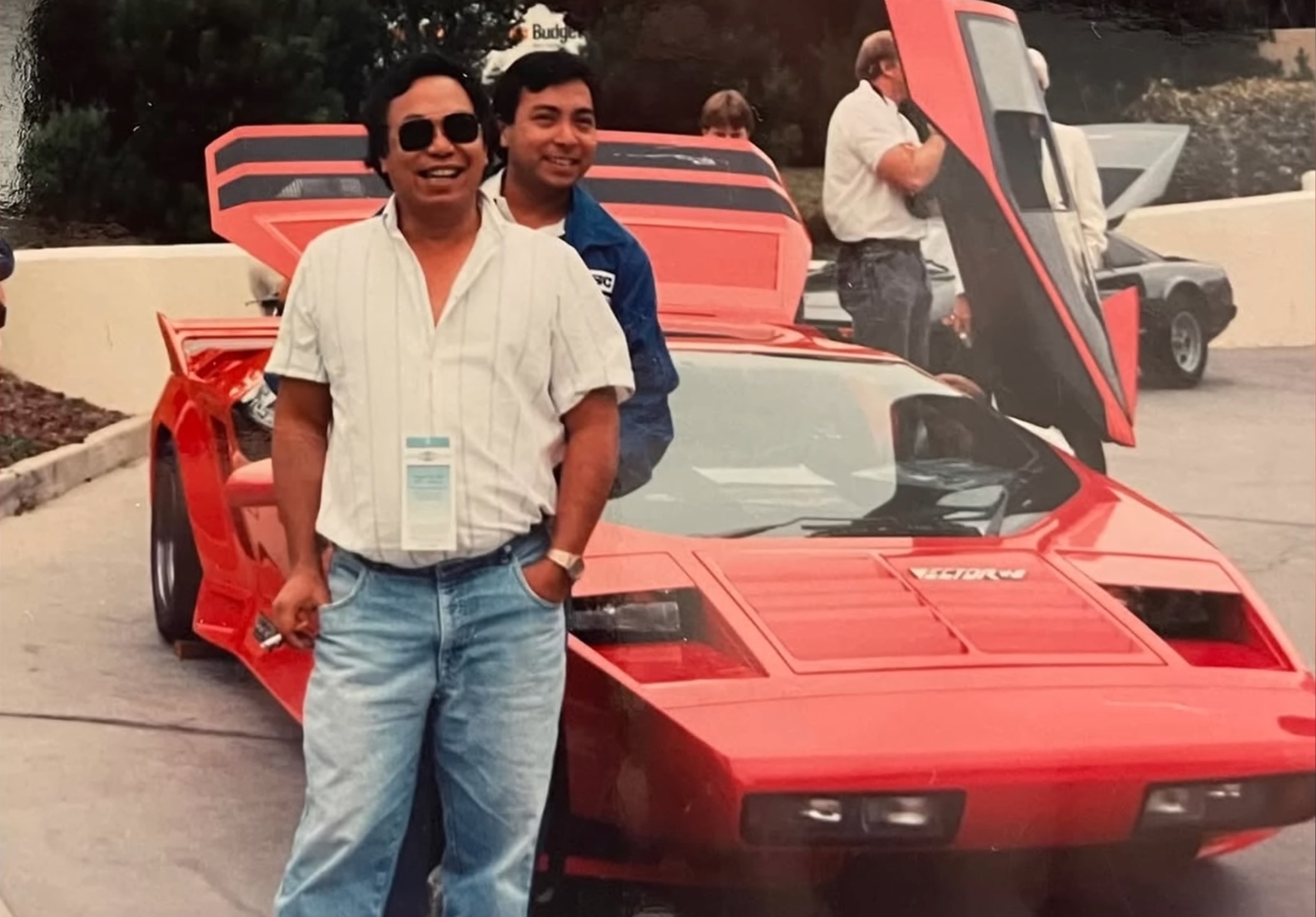
In 1979 the Luz brothers established TRD USA in Torrance, California. The company had no official affiliation with Toyota, but instead served as a speed shop for Toyota owners by importing Toyota’s factory performance parts from the Philippines. Joel was the businessman and Joji was the community outreach guy, always helping people figure out which parts they needed for their Celicas or Corollas, and doling out advice with his encyclopedic knowledge of Toyotas.
In the burgeoning Japanese tuning scene of the 80s, TRD USA became a cornerstone of the movement. It was no coincidence that the original office was located on Western Avenue, just one block north of Toyota’s American headquarters. What is perhaps lesser known is that it was also directly across the street from the former Naugles, a taco joint that functioned as the unofficial staging area for some of the earliest stateside street racers of Japanese cars.
In the early 1980s Toyota, seeing the interest in tuning and motorsports stateside, inked a deal with the brothers to officially acquire the TRD USA name. The Luz brothers established Toysport, a tuning shop that still specialized in Toyotas but advertised other aftermarket brands such as HKS. Toysport also continued to operate as consultants to TRD USA, prepping magazine and show cars and supporting race teams.

In 1995 a new car show appeared on the calendar. Toyotafest started as a small gathering of 20 or so Toyota owners who wanted to preserve their T40 Coronas and Crowns. Joji was a driving force in making Toyotafest the largest single-marque Japanese car shows in the country, with 400-500 vehicles at every event.
When the show’s original founder moved on in 1998 and its future was uncertain, Joji helped expand it by bringing in a new wave of enthusiasts. Thanks to his deep ties in the tuned Toyota community, he engaged owners of modified Celicas, Corollas, and Supras that have since become the bedrock of the event. Along with local dealer Cabe Toyota’s Mike Bingham, a Land Cruiser guru who enlisted the Toyota off-road community, Joji enabled Toyotafest to flourish.
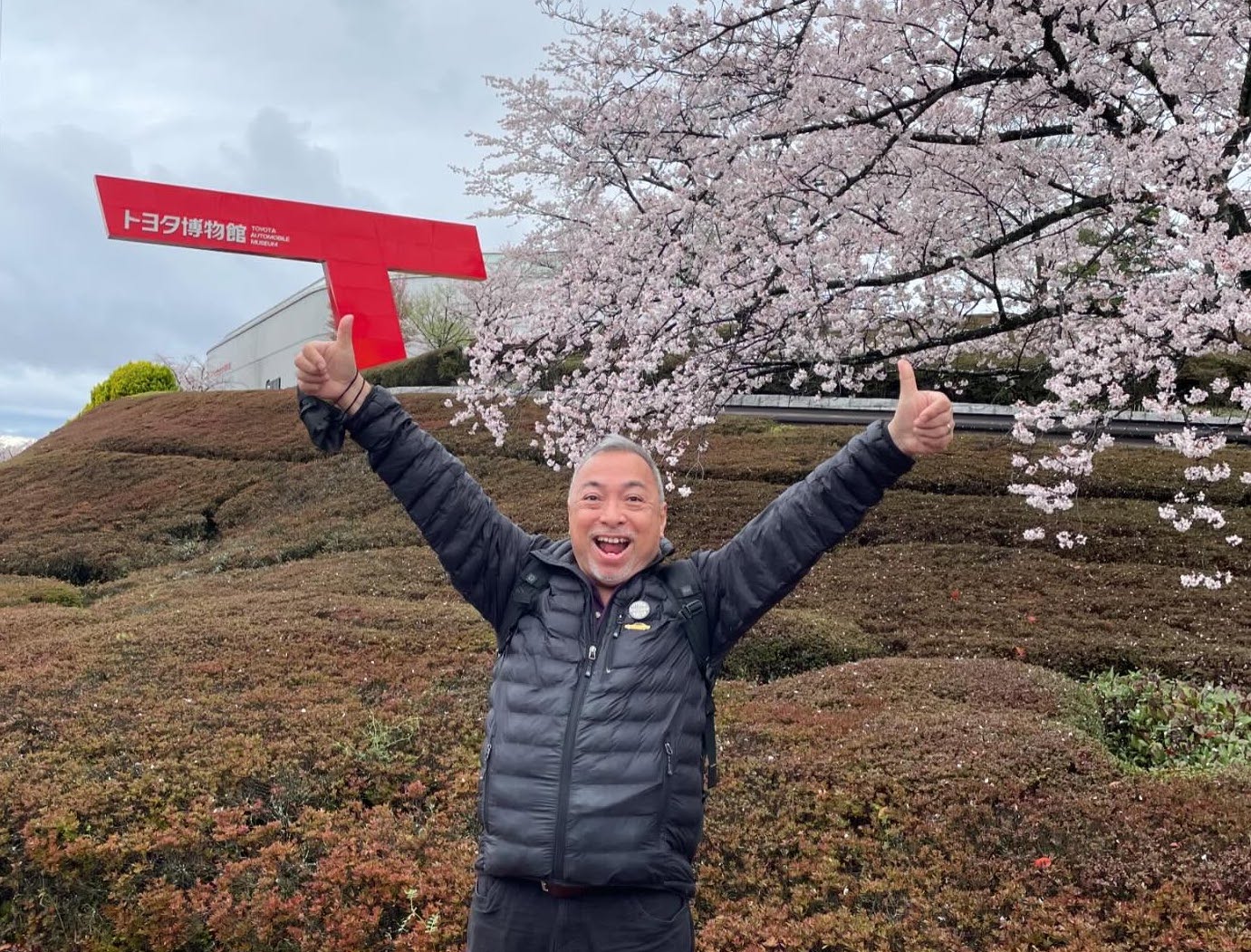
As such, Joji was an enormous influence on me, even before I even knew him personally. The culture he created with his efforts at TRD USA and Toyotafest led to the establishment of Japanese Nostalgic Car years later. JNC was still in its infancy when I eventually met Joji in person, and he was a great supporter right from the beginning. I’ll never forget how he gifted us old reading material, drove us around SoCal, and connected us with people that could help the site grow. That was Joji, always generous and always eager to cultivate anything that would help the classic Toyota community develop.
Over the years, that business relationship turned into a friendship. He never hesitated to help diagnose an issue with one of my Toyotas, or even Toyotas owned by friends of mine. We always talked about cars, but Joji was a devoted family man to his wife and three children. The most valuable advice he ever gave me wasn’t about cars at all, but about family.


For example, after I had my own kid I struggled with juggling work, family, and cars. Joji gave me a brilliant strategy for balancing all three. In his family, every weekend, one member picked something they’d all do together, on a rotating schedule. One of the children might choose a fishing trip, Joji would pick a car show, or whatever, and every member could share their interests and spend time with each other.
Joji was perhaps best known for his yellow A20 Toyota Celica, known as the Number 5 Celica because it was the fifth production Celica ever built. He owned many other Toyotas, including a Soarer, Crowns of various generations, a Sports 800, A80 Supra, Lexus ISF, Land Cruiser, also the 13th Celica ever built, and many more. That beautiful Number Five, though, was his prized possession.
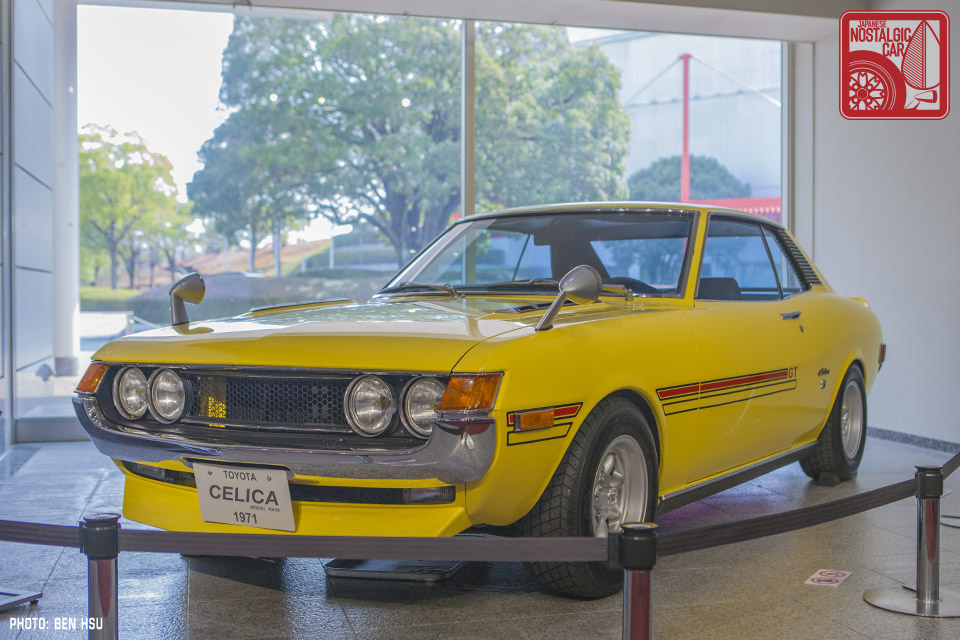
Here’s how I know Joji was a true car enthusiast. As the oldest known Celica in the world, one can assume it would be quite valuable if listed with an auction site or perhaps one of the Monterey Car Week bidding houses. Yet, when Joji fell ill and knew that time was precious, he decided to donate the car to the Toyota Automobile Museum. That way, he reckoned, it wouldn’t be locked in some wealthy collector’s private garage, but shared with the whole world.
Joji’s memory will live on not just with the Number 5 Celica, the other cars he’s owned, or his legacy as part of Toyota history, but most of all the hearts he touched, the enthusiasts he nurtured, and the friends he made. The Toyota and Japanese car communities have been enriched by his presence. We will miss you, brother. Godspeed.
Rest in Peace Joji. So many of us knew you without meeting you.
The JNC’ers and all of us will miss you and what you gave us Japanese car people.
RIP to a true legend and pioneer.
RIP… I hope we can do justice to his efforts tomorrow by honoring his kindness & enthusiasm.